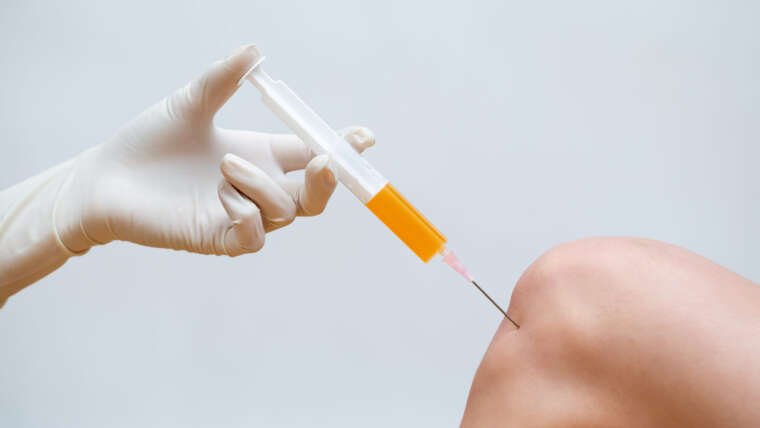



Sciatica can affect the way a person walks, sits, stands, exercises, works, and performs everyday activities. It commonly describes pain that travels along the path of the sciatic nerve, often extending from the lower back through the buttock and into the leg. Depending on the underlying cause, symptoms may also include tingling, numbness, or weakness.
An effective approach to Sciatica Treatment Dubai begins with understanding the individual’s symptoms, movement limitations, physical condition, and daily activities. Rather than treating every case in exactly the same way, physiotherapy can be structured around the patient’s specific presentation and rehabilitation goals.
At Vitruvian Italian Physiotherapy Center, sciatica is included among the center’s signature physiotherapy treatments, alongside services such as manual therapy, exercise therapy, clinical strengthening, and biomechanical analysis.
Understanding Sciatica and Its Symptoms
Sciatica is generally associated with irritation or compression involving the sciatic nerve or its contributing nerve roots. The sciatic nerve is the major nerve extending from the lower back into the lower limb.
Symptoms can vary considerably between individuals. Some people experience pain mainly in the buttock or leg, while others may experience symptoms extending farther down the leg. Tingling, numbness, or weakness can also occur.
The symptoms may be influenced by activities such as prolonged sitting, bending, lifting, walking, or certain repetitive movements. A detailed assessment is therefore useful for understanding how the symptoms behave and which movements are currently limited.
For people considering Sciatica Treatment Dubai, identifying the individual’s movement pattern and functional limitations can help create a more appropriate rehabilitation plan.
Why Individual Assessment Matters
Sciatica can have different underlying causes, so treatment should not be based solely on the presence of leg or back pain. A physiotherapist may evaluate posture, spinal and hip movement, muscle strength, flexibility, walking patterns, and functional activities.
The assessment can also consider the patient’s medical history, previous injuries, occupation, exercise routine, and current activity level.
At Vitruvian Italian Physiotherapy Center, the stated approach involves assessing a patient’s condition before providing a treatment course tailored to personal needs. The center describes its treatment foundation as including physiotherapy, manual treatments, and therapeutic methods selected according to individual requirements.
This individualized assessment can help make Sciatica Treatment Dubai more focused on the patient’s actual physical limitations and recovery objectives.
Common Factors Associated With Sciatica
Sciatica may be associated with several conditions affecting the lower back and surrounding structures. Disc-related problems, spinal changes, and narrowing around nerve structures are among the possible contributors.
However, the presence of back pain does not automatically mean that someone has sciatica. A healthcare professional can distinguish between different causes of lower-back and leg symptoms through clinical assessment and, when appropriate, further investigation.
Understanding the underlying presentation is important because rehabilitation exercises and treatment strategies may differ from one person to another.
A physiotherapy program should therefore be developed according to the patient’s assessment rather than simply applying a standard sciatica routine.
The Role of Exercise in Sciatica Rehabilitation
Exercise is an important part of conservative management for many people experiencing lower-back pain with or without sciatica. NICE guidance recommends considering exercise programs while taking an individual’s needs, preferences, and capabilities into account.
A physiotherapist can select exercises according to the patient’s current mobility and tolerance. The program may focus on improving movement, developing strength, increasing physical capacity, and gradually returning to normal activities.
Exercises may be modified as symptoms and physical abilities change. Someone in the early stages of rehabilitation may require simpler movements, while a more active patient may eventually progress toward strengthening and functional exercises.
At Vitruvian Italian Physiotherapy Center, exercise therapy and clinical strengthening are among the listed rehabilitation services.
Manual Therapy as Part of a Broader Treatment Plan
Manual therapy can include techniques such as mobilization, manipulation, or soft-tissue treatment. Depending on the patient’s presentation, these approaches may be incorporated into a broader physiotherapy program.
NICE guidance recommends considering manual therapy for low-back pain with or without sciatica only as part of a treatment package that includes exercise.
This means manual techniques can complement active rehabilitation rather than replacing exercise-based treatment.
At Vitruvian Italian Physiotherapy Center, manual therapy is one of the general physiotherapy services offered alongside exercise therapy and other rehabilitation approaches.
Improving Lower-Back and Hip Mobility
Restricted movement around the lower back and hips can affect how a person performs everyday activities. Sitting for long periods, standing, walking, bending, and lifting may become uncomfortable when mobility is limited.
A physiotherapist can assess which movements are restricted and determine appropriate exercises or manual techniques to improve functional mobility.
The goal is not necessarily to force movement but to progressively restore comfortable and controlled movement according to the patient’s condition.
For individuals undergoing Sciatica Treatment Dubai, improving mobility can form one part of a broader rehabilitation program focused on returning to everyday activities.
Strengthening the Muscles That Support Movement
Strength plays an important role in physical function. The muscles around the trunk, hips, pelvis, and lower limbs contribute to posture and movement during walking, lifting, bending, and other activities.
A progressive strengthening program can help patients develop physical capacity while reducing dependence on passive treatment.
Exercises may include controlled movements targeting the abdominal and trunk muscles, gluteal muscles, hip muscles, and lower-limb musculature. The specific exercises should be selected according to the individual’s condition and ability.
At Vitruvian Italian Physiotherapy Center, clinical strengthening forms part of its sports rehabilitation services, alongside exercise therapy and biomechanical analysis.
Postural Education and Movement Habits
Daily movement habits can influence how the body feels during prolonged sitting, standing, bending, or repetitive tasks. Physiotherapy may therefore include education about posture and movement strategies.
Patients may receive guidance related to:
- Sitting positions
- Workplace movement
- Lifting techniques
- Standing habits
- Exercise form
- Movement breaks
- Gradual return to activities
At Vitruvian Italian Physiotherapy Center, postural education is included among the center’s general physiotherapy services.
Learning appropriate movement strategies can help patients incorporate rehabilitation principles into their everyday routines.
Biomechanical Assessment for Sciatica
Biomechanical assessment considers how different parts of the body work together during movement. Walking, bending, lifting, and exercising involve coordinated activity between the spine, pelvis, hips, knees, and feet.
A physiotherapist may observe these movements to identify limitations or patterns that require attention during rehabilitation.
At Vitruvian Italian Physiotherapy Center, biomechanical analysis is included within sports rehabilitation services.
For active individuals, this type of assessment can be particularly useful when rehabilitation needs to progress toward exercise, sport, or other physically demanding activities.
Managing Sciatica Through Progressive Rehabilitation
Recovery is usually not based on one treatment session. A structured rehabilitation program can progress through different stages according to the patient’s condition.
Early treatment may focus on comfortable movement and maintaining appropriate activity. Later stages can introduce more demanding strengthening, balance, mobility, and functional exercises.
The intensity of treatment can be adjusted according to symptoms, physical ability, and progress.
This progressive approach makes Sciatica Treatment Dubai an individualized process rather than a fixed routine that is identical for every patient.
Returning to Everyday Activities
One important goal of physiotherapy is helping patients return to meaningful daily activities. Depending on the individual, this may involve walking comfortably, sitting at work, climbing stairs, exercising, or performing household activities.
A physiotherapist can gradually introduce movements that resemble the activities the patient wants to resume.
For example, someone whose work involves prolonged sitting may require a different rehabilitation emphasis from someone whose occupation involves frequent lifting or physical movement.
The treatment plan can therefore be connected to the patient’s lifestyle and functional requirements.
Physiotherapy for Active Individuals
Active people may have additional rehabilitation goals. Athletes and individuals who regularly exercise may want to return to running, strength training, recreational sports, or other physical activities.
Returning to these activities should involve progressive preparation rather than immediately resuming the previous level of activity.
Strength, mobility, coordination, and movement control can be developed gradually.
At Vitruvian Italian Physiotherapy Center, sports rehabilitation includes biomechanical analysis, clinical strengthening, exercise therapy, screening, injury-prevention programs, and return-to-play preparation.
Understanding Sciatica Treatment Cost in Dubai
The Sciatica Treatment cost in Dubai can vary because rehabilitation requirements are different for every patient. The total treatment plan may depend on the individual’s symptoms, physical limitations, treatment goals, and response to rehabilitation.
Factors that may influence the Sciatica Treatment cost in Dubai include:
- The complexity of the condition
- The initial assessment requirements
- The number of physiotherapy sessions
- The duration of rehabilitation
- The techniques incorporated into treatment
- Exercise and strengthening requirements
- Functional rehabilitation needs
- Progress throughout the treatment program
Someone with a short-term episode and limited functional restrictions may require a different treatment plan from a person experiencing persistent symptoms with significant movement limitations.
Therefore, when considering Sciatica Treatment cost in Dubai, it is useful to understand the complete proposed rehabilitation plan rather than focusing only on the price of an individual session.
Personalized Treatment at Vitruvian Italian Physiotherapy Center
Vitruvian Italian Physiotherapy Center describes its mission as helping clients improve everyday life by treating physical conditions and supporting physical rehabilitation. The center states that its staff assess each patient’s condition and provide a treatment course tailored to personal needs.
Its listed services include manual therapy, postural education, joint manipulation, dry needling, exercise therapy, clinical strengthening, biomechanical analysis, and other physiotherapy modalities. Sciatica Treatment is also listed among its signature treatments.
For someone seeking Sciatica Treatment Dubai, this type of individualized approach can allow treatment to be adapted to the patient’s symptoms, movement abilities, and functional goals.
The Importance of Active Participation
Physiotherapy is an active process. Patients may be given exercises or movement strategies to continue between supervised sessions.
Understanding the purpose of each exercise can help patients participate more effectively in their rehabilitation. Consistent performance of an appropriate exercise program can also help reinforce the work completed during physiotherapy sessions.
A physiotherapist can provide guidance about technique, repetitions, progression, and activity levels according to the patient’s condition.
This patient-centered approach can make rehabilitation more practical and connected to everyday life.
Monitoring Progress During Treatment
Sciatica symptoms can change over time, and rehabilitation may need to change with them. Regular reassessment can help determine whether exercises should be progressed, modified, or temporarily adjusted.
Progress may be considered through:
- Pain and symptom behavior
- Range of movement
- Muscle strength
- Walking ability
- Functional activities
- Exercise tolerance
- Mobility
- Daily activity levels
Monitoring these factors allows treatment to remain responsive to the patient’s current condition.
At Vitruvian Italian Physiotherapy Center, personalized treatment programs are developed according to individual needs, supporting an approach in which rehabilitation can be adapted as the patient progresses.
When Professional Assessment Is Important
Persistent or recurring back and leg symptoms should be assessed by an appropriate healthcare professional, particularly when they interfere with normal activities.
Some symptoms require urgent medical assessment rather than routine physiotherapy. These include significant or progressive weakness, numbness around the genital or anal region, or new problems controlling bladder or bowel function.
A proper clinical assessment helps determine whether physiotherapy is appropriate and whether additional medical investigation is needed.
Building Long-Term Movement Habits
Recovery should not necessarily end when symptoms improve. Developing appropriate strength, mobility, and movement habits can help patients maintain physical function over time.
A long-term routine may include regular exercise, appropriate strengthening, mobility work, and gradual participation in physical activities.
The specific routine should be appropriate for the individual’s health, physical capacity, and goals.
At Vitruvian Italian Physiotherapy Center, the stated mission includes helping clients understand how everyday movements affect the body and their overall physical health.
Why a Comprehensive Approach Matters
Sciatica can affect several aspects of physical function, so rehabilitation may benefit from addressing more than one factor.
A comprehensive program can include:
- Individual assessment
- Mobility exercises
- Strengthening
- Manual therapy when appropriate
- Postural education
- Movement retraining
- Functional rehabilitation
- Biomechanical assessment
- Patient education
- Progress monitoring
NICE guidance supports exercise as part of management and states that manual therapy should be considered alongside exercise rather than as a standalone treatment.
This combination can help make rehabilitation more focused on improving physical function and supporting a gradual return to normal activities.
Conclusion
Sciatica can interfere with movement, work, exercise, and everyday activities, but rehabilitation can provide a structured pathway toward improving mobility and physical function. An individualized approach begins with understanding the patient’s symptoms and continues through appropriate exercise, strengthening, movement education, and progress monitoring.
At Vitruvian Italian Physiotherapy Center, Sciatica Treatment is among the center’s signature services, while its broader rehabilitation approach includes manual therapy, exercise therapy, clinical strengthening, postural education, and biomechanical analysis.
When considering Sciatica Treatment Dubai, patients can look at the complete rehabilitation process rather than focusing on one technique. Similarly, understanding the factors that influence Sciatica Treatment cost in Dubai can help patients understand why treatment requirements may differ from one individual to another.
With appropriate assessment and progressive rehabilitation, physiotherapy can help patients work toward improved movement, strength, mobility, and participation in everyday activities.