


Steel detailing has moved well beyond preparing drawings and adding dimensions by hand. With steel detailing software, the same project information can be used for modelling, creating drawings, preparing documentation, and supporting fabrication, which makes handling larger and more detailed steel projects much more straightforward.
Steel Detailing Software and the Move Beyond 2D Drawings
There was a time when much of steel detailing depended on 2D drawings, manual dimensions, calculations, and repeated checking. It worked, but revisions could be tiring. A change to one member might mean going back through several drawings to make sure every related detail was updated.
With 3D modelling, the approach is different. The structure can be viewed as a complete model, making it easier to understand connections, members, assemblies, and possible clashes before fabrication begins.
Less Repetition, More Useful Detail
Repetitive detailing can take up a surprising amount of a team’s working day, especially on projects with similar beams, columns, connections, or assemblies. Rather than drawing these elements again and again, detailers can work with saved components, standard connections, and other built-in tools to speed things up.
For an engineering or fabrication team, steel detailing software can take care of much of this routine work in the background. The detailer remains responsible for the decisions that matter, while less time is spent on tasks that do not need to be repeated manually.
For example, a digital workflow can help with:
- Shop and assembly drawing creation
- Bills of materials and related documentation
- Repeated steel components and connections
- Updates across associated project information
The advantage is particularly relevant when a project contains hundreds of members or numerous similar assemblies.
Revisions Are Easier to Track
Changes are normal in construction. A connection may need adjustment, a member size may change, or an architect may revise part of the structure. With older methods, every related drawing had to be checked manually.
A model-based workflow gives teams a central source of information. When the model is properly managed, related drawings and documentation can be updated from the revised data. That does not remove the need for checking, but it can reduce the chances of an old detail being carried forward.
For buyers, this is an important distinction. The value of steel detailing software is not simply that it creates drawings faster; it can help teams manage changes without losing control of project information.
From Engineering Office to Fabrication Floor
Another major shift is the closer relationship between detailing and fabrication. Earlier workflows often treated drawings as the final product. Today, digital detailing can provide information that continues into manufacturing and production planning.
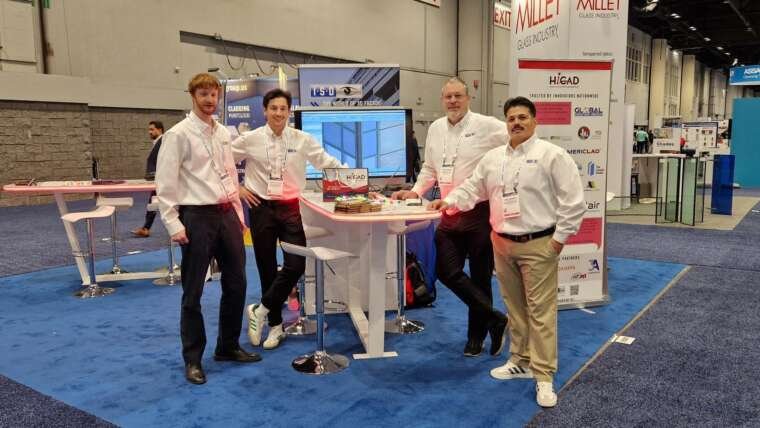
This can include material lists, fabrication drawings, and machine-related production data. ISD Group, for instance, highlights workflows connecting steel engineering and detailing with production information. Its HiCAD platform is also presented as supporting 2D/3D design and automated production documentation.
What Should Buyers Check Before Choosing a System?
Not every project needs the same level of automation. A buyer should look at how a platform fits the team’s existing process rather than choosing software based only on a long feature list.
Key areas worth checking include:
- 2D and 3D modelling capabilities
- Drawing and documentation automation
- BIM and file-format compatibility
- Material and fabrication data
- Connection with downstream production processes
The potential time saving can also be significant. ISD Group states that its HiCAD-based workflow can reduce project completion time by up to 50%, although actual results will vary according to project complexity, workflow, and user experience.
The Real Difference Is in the Workflow
Traditional detailing has not disappeared, and skilled detailers remain central to the process. What has changed is the amount of information that can now be connected around their work.
For companies handling detailed structural steel projects, steel detailing software can bring modelling, drawings, revisions, and fabrication information into a more connected workflow. The real benefit is therefore not simply replacing a drafting method- it is giving teams a more practical way to manage increasingly detailed projects from design through fabrication.