

Exercise is meant to support better health, strength and mobility, but unexpected discomfort can make even a familiar activity difficult. For people experiencing persistent soreness, restricted movement or a sudden injury during training, Sports Injury Treatment Gifford can be an important step towards understanding the problem and finding an appropriate route to recovery.
Not every ache indicates a serious injury. Muscles may feel tender after unfamiliar exercise, particularly when training intensity increases. However, pain that persists, swelling, reduced strength or difficulty putting weight on a limb can indicate that the body needs more than rest. Recognizing these differences early can help prevent a manageable problem from becoming a longer-term setback.
Understanding how injuries develop, what influences recovery and when professional assessment may be helpful allows active individuals to make better decisions about their physical health.
Why Exercise-Related Injuries Develop
Sports injuries do not occur only during competitive matches or demanding workouts. They can affect people who enjoy walking, cycling, swimming, recreational football, gym sessions or occasional exercise after a long period of inactivity.
Several factors can contribute to injury:
- Sudden increases in activity: Increasing exercise duration, resistance or frequency too quickly can place excessive demands on muscles, tendons and joints.
- Repetitive movements: Repeated throwing, running, jumping or lifting can irritate tissues when recovery time is insufficient.
- Limited mobility: Restricted movement around a joint may influence how the body distributes physical loads.
- Reduced strength or endurance: Muscles that are not prepared for a particular activity may struggle to manage its demands.
- Inadequate recovery: Poor sleep, insufficient rest between demanding sessions and returning to exercise too soon can affect performance and recovery.
- Previous injuries: An earlier injury may leave ongoing weakness, stiffness or movement limitations if rehabilitation has not fully addressed them.
These factors often overlap. For example, a runner who increases weekly distance while experiencing calf tightness may develop symptoms that require a closer assessment of training habits, strength and movement.
Understanding the Different Types of Sports Injuries
Knowing which tissues may be affected helps explain why different injuries require different management strategies.
Muscle strains and tendon problems
A muscle strain occurs when muscle fibres are overstretched or damaged, often during acceleration, lifting or sudden changes of direction. Symptoms may include localized pain, tenderness, swelling and difficulty contracting the affected muscle.
Tendons connect muscles to bones and help transfer force during movement. Repetitive loading can contribute to tendon-related pain, particularly around the Achilles tendon, shoulder or elbow. Symptoms may develop gradually rather than following one obvious incident.
Ligament sprains
Ligaments help stabilize joints. An ankle sprain, for instance, may occur when the foot rolls unexpectedly, stretching or tearing supporting tissue. Swelling, bruising, tenderness and difficulty walking can follow.
The severity of a sprain varies considerably. Some injuries respond well to conservative management, while more significant damage requires prompt medical assessment.
Joint and overuse injuries
Knee pain, shoulder discomfort and irritation around the hip may develop through a combination of repetitive loading, reduced capacity and movement demands. Bone stress injuries can also occur when repeated impact exceeds the body’s ability to adapt.
It is important not to assume that every exercise-related symptom is a simple muscle problem. Persistent pain, significant swelling or symptoms that worsen despite reducing activity deserve professional attention.
Why Ignoring Early Symptoms Can Delay Recovery
It can be tempting to continue exercising when discomfort seems manageable. However, repeatedly loading an injured area without understanding the cause may aggravate symptoms and affect how you move.
For example, someone experiencing knee pain might begin placing more weight on the opposite leg. Although this adjustment may feel natural, it can create additional strain elsewhere in the body. Similarly, an ankle injury that has not regained adequate balance and strength may affect confidence during running or quick changes of direction.
Early assessment can help identify the nature of the problem and determine which activities should be modified. It also helps distinguish injuries that may respond to conservative care from those that need further investigation.
Seek urgent medical attention if an injury causes visible deformity, severe pain, an inability to bear weight, or sudden significant swelling. A joint that becomes hot and swollen alongside fever also requires prompt assessment. Do not attempt to exercise through these symptoms.
What Happens During a Sports Injury Assessment?
A useful assessment looks beyond the location of the pain. Understanding how an injury occurred, what aggravates it and how it affects everyday activities helps guide treatment.
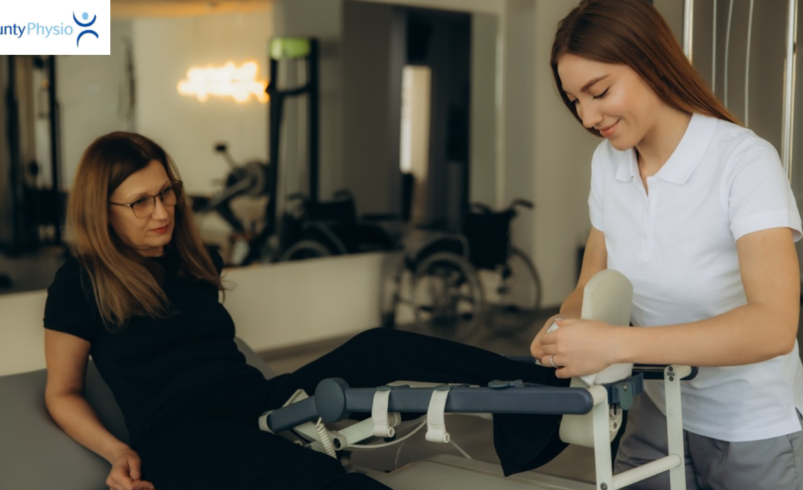
During an appointment, a physiotherapist may ask about your exercise routine, previous injuries, medical history and recovery goals. They may also examine joint movement, muscle strength, flexibility, balance and functional movements relevant to your sport.
Depending on the findings, the assessment may help establish whether the problem is consistent with a muscle strain, ligament injury, tendon condition or another issue requiring further investigation.
The information gathered forms the basis of a personalized rehabilitation plan. Someone preparing to return to recreational tennis may need different exercises from a runner recovering from an ankle sprain.
Sports Injury Treatment Gifford should therefore involve more than simply reducing discomfort. The wider aim is to improve physical function, address relevant contributing factors and help the individual return to activity with greater confidence.
How Physiotherapy Supports the Recovery Process
Recovery usually involves several stages rather than one treatment or exercise. The appropriate approach depends on the injury, its severity and the person’s current physical capacity.
Managing symptoms and restoring movement
In the early stages, treatment may focus on controlling discomfort, adjusting activity levels and maintaining movement where appropriate. Temporary modifications might include reducing running distance, avoiding painful lifting movements or replacing high-impact exercise with a more comfortable alternative.
Manual therapy may also be considered to address certain movement restrictions or muscle tension. However, hands-on treatment is generally most useful when combined with an appropriate exercise and rehabilitation plan.
Rebuilding strength and stability
As symptoms settle, progressive exercises can help restore strength, coordination and tolerance to physical demands. Depending on the injury, these may include resistance exercises, balance drills, controlled movements or exercises targeting specific muscle groups.
Progression should be based on how the body responds rather than a fixed timetable. Increasing resistance or activity too quickly can cause symptoms to flare up, while avoiding movement for longer than necessary may contribute to weakness and stiffness.
Preparing for a return to sport
Being able to walk comfortably does not automatically mean someone is ready to sprint, jump or change direction at speed.
A return-to-sport plan may gradually introduce sport-specific movements, endurance work, acceleration and controlled changes of direction. Balance, strength and confidence should also be considered.
Physiotherapists may use functional assessments to help determine whether an individual is ready to progress. The goal is to make the transition back to normal activity more manageable while reducing the risk of another injury.
Building Better Training Habits to Reduce Injury Risk
Although not every injury can be prevented, sensible training habits can help reduce avoidable strain.
- Increase training gradually: Allow your muscles, tendons and joints time to adapt when changing exercise intensity or duration.
- Warm up appropriately: Begin with lighter activity and progress towards movements relevant to your planned session.
- Develop overall strength: Include exercises that support the muscles and joints most involved in your preferred activities.
- Allow time for recovery: Alternate demanding sessions with lighter activity or rest when needed.
- Pay attention to changing symptoms: Persistent soreness, declining performance or recurring discomfort may indicate that your training load needs adjustment.
- Maintain good technique: Learn movement patterns suited to your activity, experience and physical abilities.
A well-designed routine should be flexible enough to accommodate changes in energy, recovery and physical condition. Consistency matters, but pushing through every difficult session is not essential for progress.
Getting the Right Support Near Gifford
People living in and around Gifford have different activity levels and recovery priorities. Some may want to return to competitive sport, while others wish to walk comfortably, exercise regularly or manage an injury that interferes with daily tasks.
County Physio provides sports injury assessment and physiotherapy rehabilitation in Haddington, East Lothian, serving people from Gifford and surrounding communities. Treatment may include individualized exercise programs, manual therapy, movement assessment and other appropriate techniques based on the person’s needs.
The emphasis is on understanding the injury, improving physical function and developing a practical plan for returning to meaningful activities. If symptoms persist or repeatedly return during exercise, a professional assessment can help clarify the next steps.
To discuss sports injury concerns or arrange an assessment, contact County Physio at +44 1620 825380.
Frequently Asked Questions
- When should I seek sports injury treatment?
Consider an assessment if pain persists, swelling develops, movement becomes restricted, or symptoms repeatedly return during exercise. Severe injuries, significant swelling or an inability to bear weight may require urgent medical evaluation.
- Can I continue exercising with a sports injury?
It depends on the injury and symptom severity. Some activities may remain appropriate with modifications, while others may aggravate the affected tissues. A physiotherapist can help identify suitable alternatives and guide a gradual return to exercise.
- How long does sports injury rehabilitation take?
Recovery varies according to the type and severity of the injury, overall health and physical demands of the activity. Minor injuries may improve within weeks, while more complex injuries can require several months of rehabilitation.
- Does physiotherapy help prevent recurring sports injuries?
Physiotherapy can help address relevant strength deficits, movement limitations, balance problems and training-related factors. Although no approach can guarantee injury prevention, a suitable rehabilitation plan may reduce avoidable risks.
- Do I need to be an athlete to benefit from sports injury treatment?
No. Recreational exercisers, gym users, walkers and people who participate in occasional sporting activities can also experience exercise-related injuries. Treatment can be adapted to individual needs and everyday goals.
- What should I bring to my first physiotherapy appointment?
Bring details of your symptoms, previous injuries, relevant medical information and any available investigation reports. Wear comfortable clothing that allows the affected area to be assessed and explain which activities you hope to return to.