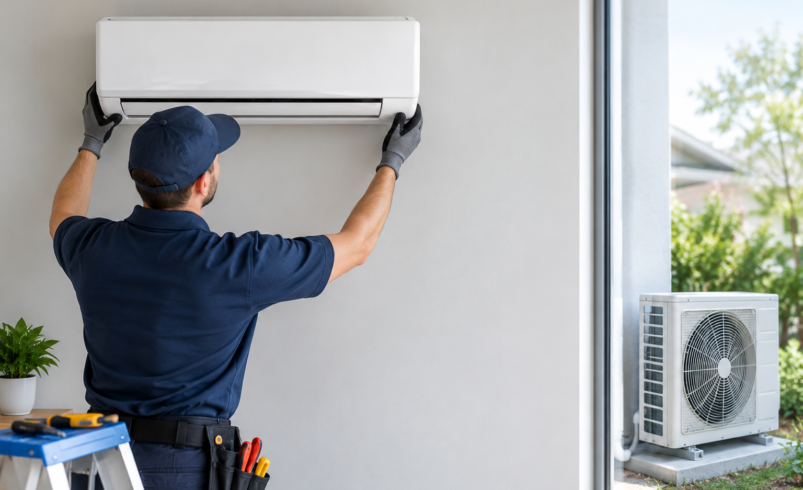

Maintaining a comfortable home throughout the year requires a heating and cooling system that suits your needs. Whether you want to cool a specific room during summer or improve heating efficiency during winter, choosing the right equipment can make a noticeable difference. Ductless mini split installation Waterloo is an excellent option for homeowners who want flexible temperature control without installing traditional ductwork. Alongside a modern cooling solution, regular furnace maintenance helps keep your existing heating system operating reliably when temperatures drop.
Understanding how these services work can help you make informed decisions about your home’s comfort, energy use, and long-term maintenance. With professional support from Unique Air, you can explore practical solutions that suit your property and seasonal requirements.
What Is a Ductless Mini Split System?
A ductless mini split is a heating and cooling system that typically consists of an outdoor compressor unit and one or more indoor air-handling units. Unlike conventional central air systems, it does not require an extensive network of ducts to distribute conditioned air.
The indoor units are installed in selected rooms or zones, allowing you to control temperatures in different areas of your home. Many mini split systems use heat pump technology, which means they can provide both cooling and heating.
These systems can be particularly useful for home additions, finished basements, converted garages, and older houses where adding ductwork would be difficult or expensive.
Benefits of Ductless Mini Split Installation
1. Flexible Temperature Control
One of the main advantages of a ductless mini split is the ability to manage temperatures in individual rooms or zones. If your upstairs bedroom becomes warmer than your living room, a multi-zone system may help address the difference.
This flexibility can also be useful for households where family members prefer different temperature settings.
2. Improved Energy Efficiency
Ductless mini splits can provide efficient heating and cooling because they avoid the energy losses associated with leaky or poorly insulated ductwork. Many models use inverter-driven compressors that adjust their output according to the heating or cooling demand.
Actual energy savings depend on the equipment selected, the condition of your home, insulation levels, and how the system is used.
3. No Extensive Ductwork Required
Installing new ductwork can involve significant changes to walls, ceilings, and other parts of a home. Ductless systems generally require only a small opening for refrigerant lines, electrical connections, and drainage.
This makes them a practical choice for renovations and properties that were not originally designed for central heating and cooling.
4. Heating and Cooling in One System
Many ductless mini splits work as heat pumps, providing cooling during warmer months and heating during colder weather. This dual-purpose functionality can reduce the need for separate equipment in suitable areas of your home.
However, performance during very cold weather varies by model. It is important to select a system designed for local winter conditions and determine whether supplementary heating is needed.
When Should You Consider a Ductless Mini Split?
A ductless system may be worth considering if certain rooms never seem to reach a comfortable temperature or your current cooling arrangement no longer meets your needs.
Common situations include:
- Home additions: Extend comfort to a new bedroom, office, or family room without modifying the entire HVAC system.
- Finished basements: Improve temperature control in spaces that are difficult to heat or cool through existing ductwork.
- Older properties: Add modern heating and cooling where installing ducts is impractical.
- Home offices: Maintain a comfortable working environment without unnecessarily conditioning the entire house.
- Uneven temperatures: Address persistent hot or cold spots with a properly designed zone-based system.
Before installation, an HVAC professional should assess room size, insulation, windows, electrical requirements, and the intended use of each space. Correct sizing is essential because an oversized or undersized unit may struggle to maintain consistent comfort.
Why Professional Installation Matters
Choosing suitable equipment is only part of the process. Proper installation affects system performance, efficiency, reliability, and service life.
During a professional installation, the technician should evaluate the home’s heating and cooling requirements, identify an appropriate location for indoor and outdoor units, and check electrical and drainage arrangements.
The refrigerant piping must also be installed and tested correctly. Poor installation practices can contribute to refrigerant leaks, drainage problems, reduced performance, and unnecessary repairs.
If you are planning a ductless mini split installation in Waterloo, consider your long-term comfort needs rather than selecting equipment based on price alone. A properly designed system can provide a more dependable solution for your home.
Unique Air can help homeowners explore suitable heating and cooling options and understand the installation requirements before making a decision.
The Importance of Regular Furnace Tune-Ups
While a ductless mini split can provide efficient heating in suitable conditions, many homes still rely on a furnace as their primary heating source. Keeping that equipment in good condition is especially important before the colder months arrive.
A furnace tune-up Waterloo service helps identify potential problems, assess system operation, and prepare your heating equipment for seasonal use.
Rather than waiting until the furnace stops working, routine maintenance allows a technician to inspect important components and identify signs of wear before they develop into more disruptive issues.
What Does a Furnace Tune-Up Include?
The exact maintenance tasks depend on the furnace type, manufacturer recommendations, and equipment condition. A professional tune-up may include:
- Inspecting the heat exchanger and accessible components for signs of damage.
- Checking the burner and ignition system for proper operation.
- Inspecting and testing safety controls.
- Checking the blower assembly and airflow.
- Reviewing the condition of the air filter and recommending replacement when needed.
- Inspecting venting and combustion air arrangements, where applicable.
- Checking thermostat operation and temperature settings.
- Testing system performance and identifying any concerns that require further attention.
Carbon monoxide safety is also important for fuel-burning appliances. A qualified technician should investigate any suspected combustion or venting issues promptly.
Benefits of Scheduling Furnace Maintenance
More Reliable Heating
A furnace that receives regular maintenance is less likely to develop problems that could have been identified during an inspection. Although tune-ups cannot prevent every breakdown, they can help you prepare for the heating season.
Better Operating Efficiency
Dust buildup, restricted airflow, and poorly adjusted components can affect furnace performance. Cleaning and checking the relevant parts may help the system operate as intended.
Efficiency improvements depend on the furnace’s original condition and whether maintenance identifies issues affecting performance.
Potentially Lower Repair Costs
Small problems can sometimes become more expensive when left unaddressed. Routine inspections give technicians an opportunity to identify worn components or developing faults before they cause further damage.
Safer System Operation
Fuel-burning furnaces require proper combustion, venting, and functioning safety controls. Regular professional inspections can help identify concerns that might otherwise go unnoticed.
Homeowners should also maintain working carbon monoxide alarms according to the manufacturer’s instructions. A tune-up is not a substitute for a functioning alarm or immediate action if carbon monoxide exposure is suspected.
How Ductless Mini Splits and Furnace Maintenance Work Together
You do not necessarily have to choose between a ductless mini split and a traditional furnace. Depending on your home’s layout and existing equipment, both systems may serve useful purposes.
For example, a furnace could continue heating the main living areas while a ductless heat pump provides independent temperature control in a finished basement or home addition.
This approach may offer greater flexibility, but the best arrangement depends on your home’s heating load, equipment compatibility, electricity costs, and fuel prices. A professional assessment can help determine whether adding a mini split makes practical and financial sense.
It is also important to remember that a heat pump and furnace serving the same home do not automatically operate as an integrated system. Their controls and operation should be planned appropriately.
How to Keep Your HVAC System in Good Condition
Along with professional service, a few simple habits can help maintain indoor comfort throughout the year.
- Check and replace furnace filters as recommended by the manufacturer.
- Keep supply and return vents clear of furniture and other obstructions.
- Clean ductless indoor-unit filters according to the owner’s manual.
- Keep the outdoor heat pump unit free from leaves and other debris, allowing adequate airflow.
- Pay attention to unusual noises, odours, or changes in system performance.
- Arrange professional maintenance at the intervals recommended for your equipment.
If you notice a burning smell that persists, repeated system shutdowns, or signs of a refrigerant leak, arrange an appropriate professional inspection. For a suspected gas leak or carbon monoxide exposure, leave the affected area and contact emergency services or the appropriate gas emergency provider.
Choose Unique Air for Your Home Comfort Needs
Reliable heating and cooling starts with selecting appropriate equipment and maintaining it properly. Whether you are considering a ductless mini split for a room that needs better temperature control or arranging seasonal furnace maintenance, professional guidance can help you make a practical decision.
Unique Air provides heating and cooling solutions to help homeowners plan for changing seasonal conditions. From evaluating installation options to arranging routine maintenance, the right service can help you work towards consistent comfort and dependable system performance.
If your home needs a more flexible cooling solution or your furnace is due for its seasonal inspection, contact Unique Air to discuss your requirements and schedule the appropriate service.
Frequently Asked Questions
1. How much does it cost to get a ductless mini split installed?
The cost of ductless mini split installation depends on the system’s size, the number of indoor units, installation complexity, and any required electrical upgrades. A single-zone system generally costs less than a multi-zone system that serves several rooms. Additional expenses may include electrical work, longer refrigerant lines, and wall modifications. For an accurate estimate, ask an HVAC professional to assess your home and recommend a system that fits your comfort needs and budget.
2. What are the disadvantages of a ductless mini split?
Although ductless mini splits offer flexible temperature control and efficient heating and cooling, they have a few drawbacks. The upfront installation cost can be higher than some conventional options, and indoor units remain visible on walls or ceilings. Filters also require regular cleaning, while multiple indoor units may increase maintenance requirements. In colder climates, choosing a model designed for low outdoor temperatures is important to maintain reliable winter performance.
3. Is it difficult to install a ductless mini split?
Installing a ductless mini split can be relatively straightforward for a qualified HVAC professional, but it is not usually a suitable DIY project. The process involves mounting the indoor and outdoor units, running refrigerant lines, arranging condensate drainage, and completing electrical connections. The system must also be properly tested and commissioned. Installation complexity depends on the building layout, the number of units, and the distance between indoor and outdoor equipment.
4. Do I need an electrician to install a mini split system?
You may need a licensed electrician to complete or modify the electrical supply for a mini split system. Many installations require a dedicated circuit, appropriate wiring, and correctly rated disconnecting equipment. Requirements depend on the system specifications and local electrical codes. In Ontario, electrical work should be completed by an appropriately licensed electrical contractor or another person legally authorized to perform it. Your HVAC installer can help coordinate the electrical work needed for a safe, compliant installation.
5. Is a ductless mini split suitable for every home?
Not necessarily. A ductless system can work well for specific rooms, additions, and homes without suitable ductwork. An assessment of insulation, room size, heating demand, and budget will help determine whether it is the right choice.
6. Should I service my furnace even if it seems to work properly?
Yes. A furnace can develop wear or safety-related issues without obvious symptoms. Regular maintenance helps assess its condition and identify concerns before the heating season becomes demanding.