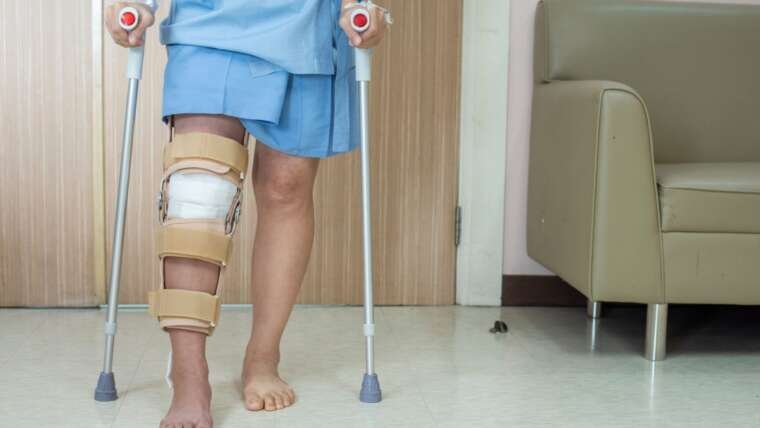

Preparing for recovery involves more than managing pain and swelling. It requires an appropriate assessment, a structured rehabilitation plan, and a gradual return to everyday activities. With the right guidance, many individuals can improve knee function, rebuild strength, and work toward their personal activity goals.
Choosing suitable Acl Injury Treatment Dubai services can help patients understand their condition and explore the treatment options available to them. Vitruvian Italian Physiotherapy Center provides physiotherapy and rehabilitation services that can support patients working toward improved mobility, strength, and physical function.
Understanding how ACL injuries occur, what treatment involves, and how rehabilitation progresses can help patients prepare for a more informed and organized recovery journey.
Understanding an ACL Injury and Its Effect on the Knee
The anterior cruciate ligament is one of the major ligaments that stabilize the knee joint. It helps control the forward movement of the shinbone relative to the thighbone and contributes to rotational stability during activities such as running, jumping, landing, and changing direction.
An ACL injury occurs when this ligament is stretched or torn. The severity can range from a mild sprain to a complete rupture. Some injuries occur in isolation, while others involve additional structures, such as the meniscus, cartilage, or other ligaments.
Common symptoms may include sudden knee pain, swelling, a feeling that the knee is unstable, difficulty bearing weight, and reduced movement. Some people hear or feel a popping sensation when the injury occurs, although this does not confirm an ACL tear on its own.
Because several knee conditions can produce similar symptoms, a professional medical assessment is important. A clinician may use a physical examination and, when indicated, imaging to determine the extent of the injury.
For individuals considering Acl Injury Treatment Dubai, understanding the diagnosis is the first step toward selecting an appropriate treatment and rehabilitation pathway.
Common Causes of ACL Injuries
ACL injuries are frequently associated with sports and activities that place substantial demands on the knee. However, they can also occur during everyday movements or accidents.
Sudden Changes in Direction
Sports such as football, basketball, tennis, and padel often require rapid changes in direction. If the foot remains planted while the body rotates, the knee may experience substantial twisting forces that can contribute to an ACL injury.
Incorrect Landing Mechanics
Landing from a jump with poor control, particularly when the knee moves inward or the body is poorly balanced, can increase the demands placed on the knee. Fatigue and insufficient neuromuscular control may also affect landing technique.
Sudden Stops During Running
Rapidly slowing down or stopping while running can place considerable forces on the knee. In some situations, these forces may contribute to ligament injury, particularly when combined with an abrupt change in direction.
Direct Trauma
A collision during contact sports, a fall, or another traumatic event can injure the ACL. The severity depends on the forces involved and whether other knee structures are affected.
Previous Knee Injuries and Physical Conditioning
Previous injuries, reduced strength, movement-control difficulties, and the physical demands of a particular sport can influence knee function. Appropriate conditioning and movement training can help athletes prepare for demanding activities, although no prevention program can eliminate every injury.
Why Early Assessment Matters for ACL Recovery
Following a suspected ACL injury, an appropriate assessment helps determine the severity of the problem and whether additional structures may be involved.
Early evaluation is particularly important when the knee becomes significantly swollen, feels unstable, or cannot bear weight comfortably. A clinician may recommend temporary activity modification, suitable support, or further investigations depending on the findings.
Treatment decisions depend on several factors, including the degree of ligament damage, the patient’s age, activity requirements, associated injuries, and personal goals.
Some people can manage an ACL injury through structured rehabilitation without surgery. Others, particularly those with substantial instability or high-demand sports requirements, may benefit from surgical reconstruction followed by rehabilitation. The decision should be made with an appropriately qualified orthopaedic specialist.
A personalized Acl Injury Treatment Dubai plan should reflect these individual factors rather than assume that surgery is necessary for every ACL tear.
Treatment Options for an ACL Injury
ACL treatment generally follows one of two main approaches: non-surgical management or surgical reconstruction. Both may involve physiotherapy, although the rehabilitation pathway differs according to the chosen treatment and the patient’s clinical needs.
Non-Surgical ACL Management
Some individuals can achieve satisfactory knee function without ACL reconstruction, particularly when their daily activities do not involve frequent pivoting or when the knee becomes functionally stable with rehabilitation.
Non-surgical treatment may include:
- Managing pain and swelling.
- Restoring comfortable knee movement.
- Rebuilding quadriceps and hamstring strength.
- Improving balance and coordination.
- Developing control during walking and functional activities.
- Gradually increasing physical activity according to symptoms and knee stability.
A physiotherapist can monitor progress and help identify whether the knee is responding adequately to rehabilitation. Persistent instability or repeated episodes of the knee giving way may require further specialist assessment.
ACL Reconstruction Surgery
ACL reconstruction involves replacing the damaged ligament with a graft, usually obtained from the patient’s own tendon or, in selected cases, donor tissue. The procedure may be considered when the injury causes significant instability or when the patient wishes to return to activities that require substantial knee stability.
Surgery does not immediately restore full strength or function. Rehabilitation is essential for rebuilding movement, muscle capacity, balance, and confidence.
The recovery plan must follow the surgeon’s instructions and account for any additional procedures, such as meniscus repair, that may affect the rehabilitation schedule.
For patients exploring Acl Injury Treatment Dubai, discussing both surgical and non-surgical options with qualified healthcare professionals can help establish a treatment strategy that matches their circumstances.
The Role of Physiotherapy in ACL Rehabilitation
Physiotherapy is a central component of recovery following an ACL injury, whether treatment involves surgery or a non-surgical approach.
Rehabilitation focuses on restoring knee mobility, rebuilding muscle strength, improving movement control, and preparing the individual for everyday activities or sports. Exercise-based treatment is particularly important following ACL reconstruction, while other techniques may be used as appropriate to manage symptoms and support participation in exercise.
Vitruvian Italian Physiotherapy Center offers rehabilitation services that may be relevant to individuals recovering from musculoskeletal injuries. An individualized treatment program can help patients work toward functional goals while progressing according to their clinical condition.
Restoring Knee Movement
Pain and swelling can restrict knee movement after an ACL injury or surgery. Rehabilitation often focuses on gradually restoring knee extension and flexion within the limits established by the treating clinician.
Regaining full knee extension is particularly important for normal walking mechanics. Exercises should be selected according to the injury, surgical procedure, and professional instructions.
Rebuilding Muscle Strength
The quadriceps and hamstring muscles play important roles in knee function. Following an injury, pain, swelling, and reduced activity can contribute to muscle weakness.
A physiotherapist may introduce exercises such as quadriceps contractions, controlled sit-to-stand movements, resistance exercises, and progressive strengthening when appropriate.
Exercise intensity is adjusted according to the patient’s progress, movement quality, and response to treatment.
Improving Balance and Coordination
The ability to maintain balance and control the knee during movement is important for everyday activities and sports.
Rehabilitation may include balance exercises, controlled single-leg activities, and movement training. More demanding exercises are introduced only when the patient has developed sufficient strength and control.
Developing Functional Movement
As recovery progresses, rehabilitation can focus on tasks such as walking, climbing stairs, stepping, and controlled changes in direction.
These activities help patients prepare for the physical demands of daily life and, where appropriate, sports participation.
The Main Stages of ACL Rehabilitation
Recovery is usually organized into progressive stages. The precise timeline varies according to the severity of the injury, whether surgery was performed, the presence of associated injuries, and the patient’s response to rehabilitation.
Stage One: Managing Symptoms and Restoring Basic Movement
The early stage focuses on controlling swelling, improving comfortable movement, activating the surrounding muscles, and restoring safe functional mobility.
After surgery, patients must follow the surgeon’s instructions regarding weight-bearing, crutches, braces, and movement restrictions. Some procedures require a more cautious progression than an uncomplicated ACL reconstruction.
Physiotherapy exercises are selected according to these instructions and the patient’s current abilities.
Stage Two: Building Strength and Stability
Once symptoms and movement improve, rehabilitation generally places greater emphasis on strengthening the muscles around the knee and hip.
Exercises may include progressive resistance training, controlled squats, step exercises, and balance activities when appropriate.
The goal is to improve the knee’s ability to handle increasing physical demands without a significant increase in pain or swelling.
Stage Three: Developing Dynamic Control
More advanced rehabilitation may involve single-leg strength exercises, controlled landing drills, running preparation, and coordination training.
These exercises should be introduced according to objective progress rather than a calendar alone. The physiotherapist considers strength, range of motion, swelling, movement quality, and the patient’s ability to complete earlier stages.
Stage Four: Preparing to Return to Sport
Athletes may eventually need to complete jumping, landing, acceleration, deceleration, and direction-change activities before returning to their previous sport.
The rehabilitation team assesses physical readiness and psychological confidence alongside the requirements of the sport. Returning to unrestricted competition should be based on clinical clearance and appropriate functional criteria rather than simply waiting a predetermined number of months.
This staged approach is an important consideration when choosing Acl Injury Treatment Dubai, particularly for individuals who want to resume demanding physical activities.
Preparing for ACL Surgery and Rehabilitation
When ACL reconstruction is planned, preparation before surgery can help patients understand the rehabilitation process and address some of the physical limitations associated with the injury.
This preparation is often called prehabilitation. It may include improving knee movement, reducing swelling, strengthening the quadriceps, and learning exercises that will be used after surgery.
Prehabilitation can also help patients prepare practically for the recovery period.
Useful steps may include:
- Discussing the procedure and rehabilitation expectations with the surgeon.
- Understanding instructions about weight-bearing and assistive devices.
- Arranging support for transport and daily activities during the early recovery period.
- Preparing a comfortable space for resting and completing prescribed exercises.
- Learning the initial rehabilitation exercises under professional guidance.
- Asking when driving, working, and other routine activities may be resumed.
Not every patient will be able to complete the same preoperative exercises. The program should be tailored to knee stability, pain, swelling, and any associated injuries.
Vitruvian Italian Physiotherapy Center can be considered by patients seeking physiotherapy support as part of a coordinated rehabilitation plan, subject to their clinician’s recommendations.
ACL Injury Treatment Cost in Dubai: What Should Patients Consider?
The Acl Injury Treatment cost in Dubai can vary considerably depending on the nature of the injury, the treatment approach, and the duration of rehabilitation. Non-surgical treatment and surgical reconstruction involve different expenses, so patients should clarify which services are included in any quoted price.
There is no single cost that applies to every patient. A personalized assessment is often the best starting point for understanding the likely treatment requirements.
Initial Consultation and Diagnostic Assessment
The initial assessment may include a review of symptoms, medical history, physical examination, and recommendations for further investigations when needed.
Imaging, such as an MRI, may be recommended by the treating clinician to clarify the diagnosis or assess associated injuries. Diagnostic services may be charged separately from physiotherapy appointments.
Surgical and Hospital Expenses
When ACL reconstruction is recommended, the total cost may include the surgeon’s fee, hospital or facility charges, anaesthesia, the surgical procedure, and follow-up appointments.
The final amount can vary according to the hospital, surgeon, graft choice, insurance coverage, and whether additional procedures are necessary.
Patients should request a clear breakdown of the expected expenses before making treatment decisions.
Physiotherapy and Rehabilitation Sessions
Rehabilitation expenses depend on the number of appointments, the complexity of the injury, the techniques required, and the length of the recovery program.
Some patients require a longer course of physiotherapy because of associated meniscus injuries, substantial weakness, or the demands of returning to competitive sport.
Therefore, the Acl Injury Treatment cost in Dubai should be considered in relation to the complete rehabilitation plan, rather than only the price of an initial appointment.
Insurance Coverage and Additional Expenses
Insurance benefits vary by policy. Coverage may depend on whether the provider is within the insurer’s network, whether a referral is required, and whether treatment has been approved.
Patients should also ask about possible costs for follow-up consultations, prescribed support devices, and additional rehabilitation services.
Planning Your Treatment Budget
When discussing the Acl Injury Treatment cost in Dubai, ask the provider to clarify:
- The price of the initial assessment.
- The fee for each physiotherapy session.
- Whether a rehabilitation package is available.
- Which services are included in the quoted price.
- Whether surgical care and physiotherapy are billed separately.
- What insurance documentation or approvals may be needed.
Vitruvian Italian Physiotherapy Center may be an option for patients seeking rehabilitation support. Contact the center directly to confirm current physiotherapy fees, available treatment arrangements, and insurance-related details.
How Vitruvian Italian Physiotherapy Center Can Support Recovery
Recovering from an ACL injury requires a structured approach that considers strength, mobility, balance, and the physical demands of daily life.
Vitruvian Italian Physiotherapy Center provides physiotherapy and rehabilitation services that can be relevant to people working toward improved physical function following musculoskeletal injuries.
For ACL rehabilitation, treatment may focus on restoring knee movement, improving lower-limb strength, developing balance, and progressing toward functional activities. The precise exercises and treatment methods should be selected according to the patient’s diagnosis, surgical instructions where applicable, and rehabilitation goals.
Patients should look for a rehabilitation plan that includes:
Individualized assessment: Treatment should be based on the patient’s current movement, strength, symptoms, and functional limitations.
Progressive exercise: Exercises should advance gradually as the knee demonstrates improved capacity.
Regular progress reviews: Rehabilitation should be adjusted according to clinical findings and the patient’s response.
Clear communication: Patients should understand their exercises, activity restrictions, and the milestones required before progressing.
Coordination with the treating team: When surgery has been performed, the rehabilitation program should align with the surgeon’s instructions and any restrictions related to associated procedures.
These principles can help patients approach recovery with realistic expectations and a clearer understanding of the steps involved.
Returning to Walking, Work, and Everyday Activities
Returning to everyday activities is an important rehabilitation milestone. However, the timing depends on the nature of the injury, the treatment received, and the patient’s functional progress.
Walking and Climbing Stairs
Walking may initially require crutches or other support, particularly after surgery. Patients gradually work toward a more natural walking pattern as pain, swelling, muscle control, and weight-bearing tolerance improve.
Stair climbing may require additional strength and coordination. The physiotherapist can help patients practice these tasks when appropriate.
Returning to Work
The time needed to return to work depends on the job’s physical demands. Someone who works at a desk may be able to return sooner than someone whose job involves heavy lifting, prolonged standing, or frequent climbing.
Patients should discuss work requirements with their healthcare team and plan a gradual return when necessary.
Driving Again
Driving should resume only when the patient can control the vehicle safely, operate the pedals effectively, and respond appropriately in an emergency. The treating clinician should provide guidance based on the affected leg, surgery, mobility, and any medication that could impair driving.
Resuming Exercise
Low-impact activities may be introduced when appropriate, followed by more demanding exercise as strength and control improve.
Running, jumping, and pivoting sports require greater preparation than ordinary walking. They should not be resumed simply because the knee feels better; the patient must meet relevant functional and clinical criteria.
Supporting Recovery Between Physiotherapy Sessions
The work completed between appointments can contribute to rehabilitation progress. Following the prescribed plan and communicating changes in symptoms help the physiotherapist make appropriate adjustments.
Follow Your Exercise Plan
Perform the exercises prescribed for your current rehabilitation stage. Avoid adding unfamiliar movements or increasing resistance without guidance, particularly during the early stages after surgery.
Manage Activity Levels
Increase activity gradually and pay attention to the knee’s response. A substantial increase in swelling, pain, or stiffness after exercise may indicate that the workload needs review.
Prioritize Rest and Recovery
Adequate sleep, appropriate nutrition, and planned recovery periods support general health during rehabilitation. Follow the treating clinician’s instructions for wound care, medication, and postoperative restrictions.
Maintain Communication With Your Healthcare Team
Report new symptoms, recurring instability, or difficulty completing prescribed exercises. Your physiotherapist or surgeon can determine whether the program needs adjustment or whether further assessment is required.
These habits can complement Acl Injury Treatment Dubai by helping patients participate consistently in a structured recovery plan.
How Long Does ACL Recovery Take?
ACL recovery timelines vary significantly. The duration depends on the severity of the injury, the treatment selected, associated damage, physical conditioning, and the patient’s goals.
A person receiving non-surgical management may follow a different timeline from someone undergoing reconstruction. Patients who have additional procedures, such as meniscus repair, may also have specific restrictions that affect their progression.
Following ACL reconstruction, rehabilitation commonly continues for many months. Returning to demanding pivoting sports often requires approximately nine to twelve months or longer, depending on the individual’s progress and the criteria used by the treating team.
This is not a universal deadline. Some people need additional time to regain strength, movement quality, and confidence. Others may return to certain everyday activities much earlier than they return to competitive sport.
The Acl Injury Treatment cost in Dubai may be influenced by how long rehabilitation continues, so discussing expected milestones and reviewing the plan regularly can help with financial planning.
Preparing for a Safe Return to Sports
Returning to sports after an ACL injury requires more than the ability to walk without pain. Athletes need sufficient strength, knee stability, movement control, and confidence to manage the rapid changes in direction and landing demands associated with their sport.
A return-to-sport assessment may consider:
- Knee range of motion and swelling.
- Quadriceps and hamstring strength.
- Single-leg balance and movement control.
- Jumping and landing mechanics.
- Running, acceleration, and direction-change performance.
- Confidence and psychological readiness.
- Completion of sport-specific rehabilitation.
The rehabilitation team uses these findings to guide progression and identify areas that need further work. Clearance should be provided by the appropriate healthcare professionals after considering the patient’s complete clinical picture.
Vitruvian Italian Physiotherapy Center may support patients through exercise-based rehabilitation aimed at improving strength and functional performance, depending on individual assessment and treatment needs.
When to Seek Medical Attention After an ACL Injury
A suspected ACL injury should be assessed by a qualified healthcare professional, particularly when it follows a sudden twisting movement, sports collision, or fall.
Seek prompt medical attention if you cannot bear weight, the knee becomes markedly swollen, or you experience significant instability. A visibly deformed knee, a cold or pale foot, new numbness, or severe symptoms following trauma require urgent evaluation.
If the knee repeatedly gives way during daily activities, further assessment is also important because instability may indicate that the current management plan needs review.
After surgery, contact the treating team promptly if you develop increasing redness or discharge from the wound, fever, worsening pain or swelling, or other concerning changes. Sudden calf swelling or pain, chest pain, or difficulty breathing requires urgent medical assessment.
Timely evaluation helps determine the appropriate treatment and whether rehabilitation should be modified.
Frequently Asked Questions About ACL Injury Treatment Dubai
Can an ACL injury heal without surgery?
Some people can regain satisfactory knee function through structured rehabilitation without ACL reconstruction. The suitability of non-surgical management depends on the injury, knee stability, associated damage, and activity goals. An orthopaedic specialist can help determine the appropriate approach.
Is physiotherapy necessary after ACL surgery?
Yes. Physiotherapy is an important part of recovery after ACL reconstruction. It helps patients restore movement, rebuild strength, improve balance, and gradually prepare for everyday activities and sports.
How much does ACL injury treatment cost in Dubai?
The Acl Injury Treatment cost in Dubai depends on whether treatment is surgical or non-surgical, the required investigations, the number of physiotherapy sessions, and the complexity of the injury. Ask your chosen provider for a personalized estimate and clarify what the quoted fee includes.
Can I return to sports after an ACL injury?
Many individuals return to sports after ACL injury treatment, but the timing and level of participation vary. Return should depend on rehabilitation progress, strength, movement quality, stability, psychological readiness, and clinical clearance.
What exercises are used during ACL rehabilitation?
Depending on the stage of recovery, exercises may include quadriceps activation, knee mobility work, progressive strengthening, balance training, controlled squats, step exercises, and later-stage jumping or agility drills. Exercise selection must reflect the diagnosis and any surgical restrictions.
How can I prepare for ACL rehabilitation?
Begin by obtaining an appropriate assessment and understanding the treatment plan. Follow your prescribed exercises, prepare for any temporary activity restrictions, and discuss your work, home, and sporting requirements with your healthcare team.
Conclusion: Prepare for a Stronger and More Confident Recovery
An ACL injury can affect knee stability, movement, and participation in everyday activities. However, a well-planned treatment approach can help individuals work toward improved function and a gradual return to the activities that matter to them.
Acl Injury Treatment Dubai may involve non-surgical rehabilitation or ACL reconstruction followed by structured physiotherapy. The most appropriate approach depends on the severity of the injury, associated conditions, physical demands, and personal goals.
Vitruvian Italian Physiotherapy Center offers physiotherapy and rehabilitation services that may support patients working toward improved strength, mobility, and functional performance. With appropriate professional guidance, progressive exercise, and regular reviews, patients can approach recovery with clearer goals and realistic expectations.
Before beginning treatment, discuss your clinical needs and the Acl Injury Treatment cost in Dubai with the relevant healthcare providers. Understanding the expected expenses, rehabilitation requirements, and recovery milestones can help you plan more effectively.
A successful recovery is not defined only by the passage of time. It involves rebuilding the strength, control, and confidence needed to move safely and return to daily activities at an appropriate pace.