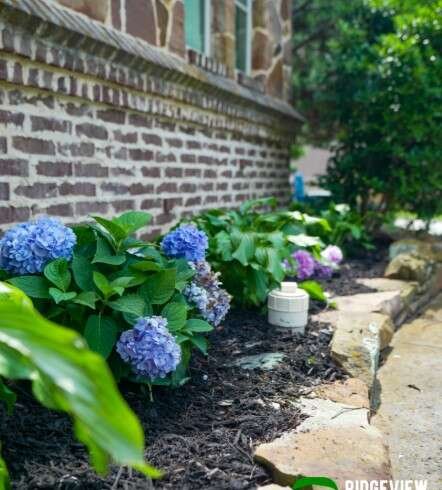

A thoughtfully designed landscape can change how homeowners experience their property. A welcoming front yard creates a positive first impression, while a well organized backyard offers room to relax, entertain guests, and enjoy the outdoors. However, creating a landscape that looks attractive and remains practical requires attention to layout, plant selection, drainage, and long term maintenance.
Ridgeview Landscape understands that successful outdoor improvements should reflect the homeowner’s needs while complementing the property’s existing features. Rather than focusing only on appearance, a strong landscape plan considers how people move through the yard, which areas receive the most sunlight, and how different features will work together over time.
Give Every Outdoor Area a Clear Purpose
One of the most effective ways to improve a property is to determine how each section of the yard should be used. An outdoor area without a clear purpose can easily become wasted space, even when the property has plenty of potential.
Homeowners may want a dedicated dining area, a comfortable place to sit, an open lawn for recreation, or planting beds that introduce more greenery. Establishing these priorities before construction begins helps create a practical layout.
The arrangement should also account for access. Walkways can connect frequently used areas, while planting beds and borders can help define separate zones. In smaller yards, combining functions may be the best way to preserve usable space without making the landscape feel crowded.
If a property requires significant changes, consulting a backyard remodeler Mansfield homeowners can trust may help clarify the available options. A carefully planned design can make the yard feel more organized while supporting everyday activities.
Build a Strong Foundation for Landscape Design
An attractive landscape begins with an understanding of the property itself. Soil conditions, sunlight, existing vegetation, grading, and drainage can all influence the success of a project.
For example, plants that thrive in direct sunlight may struggle in shaded locations. Similarly, areas that remain wet after rainfall may require drainage improvements or plants suited to those conditions. Evaluating these factors before selecting materials and vegetation can help reduce avoidable problems.
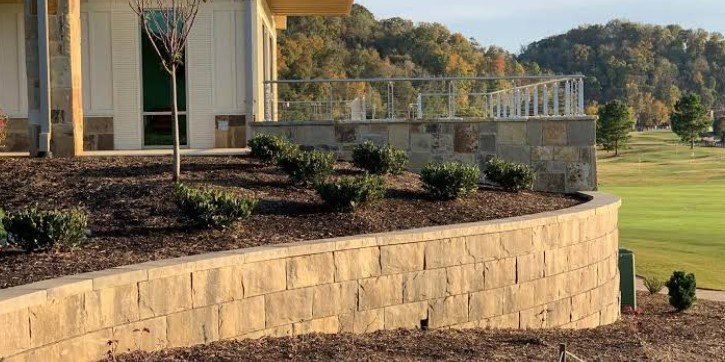
The relationship between the home and the landscape also deserves attention. The size of planting beds, placement of trees, and design of walkways should complement the building rather than compete with it.
Professional landscaping Mansfield TX can help homeowners consider these details when planning outdoor improvements. A cohesive design provides a foundation for future additions and makes it easier to maintain a consistent appearance throughout the property.
Choose Plants That Provide Lasting Visual Interest
Plants contribute color, texture, shade, and structure to a residential landscape. Selecting a thoughtful combination of trees, shrubs, flowers, and ground covers can create a more dynamic outdoor environment.
Homeowners should consider more than the appearance of a plant at the time of purchase. Mature size, seasonal changes, watering requirements, and sunlight preferences all affect how well it will perform in the landscape.
In Mansfield, Texas, hot summers and changing rainfall conditions make suitable plant selection particularly important. Regionally adapted varieties may be appropriate choices when their growing requirements match the property’s conditions.
Combining plants with different heights can add depth to garden beds. Taller shrubs can provide structure, while lower growing plants soften borders and introduce additional texture. Repeating selected varieties in different areas can help connect the overall design.
Plant spacing is equally important. Allowing room for mature growth can reduce overcrowding and help plants maintain their intended shape without excessive pruning.
Improve Curb Appeal With Simple Design Choices
A well maintained front yard can make a home feel more inviting. While large renovations may create dramatic changes, smaller improvements can also enhance the appearance of the property.
Homeowners can begin by removing weeds, trimming overgrown vegetation, refreshing mulch, and creating clean edges around planting beds. These tasks help existing landscape features look more organized.
Additional improvements might include updating the walkway, introducing suitable flowering plants near the entrance, or arranging shrubs to frame the home’s architectural features. The goal is to create a balanced appearance that feels natural and welcoming.
Scale matters when selecting plants and decorative features. Oversized shrubs can hide windows or entrances, while planting beds that are too small may appear disconnected from the house. Choosing features that fit the property’s proportions helps maintain visual balance.
Experienced landscapers in Mansfield can help homeowners identify practical opportunities to improve curb appeal while keeping the overall design consistent with the home.
Make Outdoor Gatherings More Enjoyable
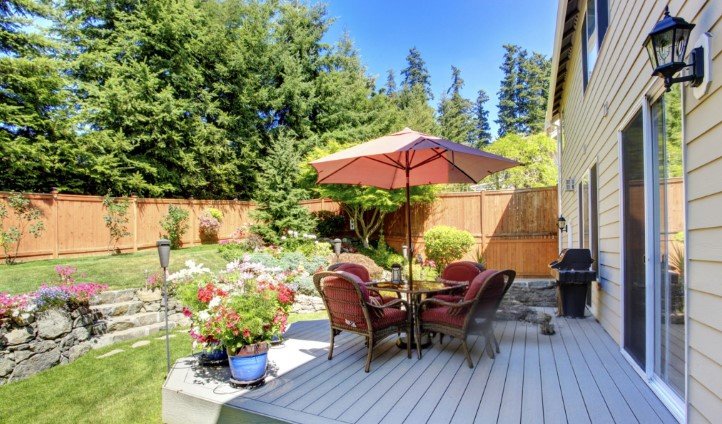
Outdoor living areas can provide valuable space for meals, conversations, and family activities. A well positioned patio or seating area can make the yard more useful without requiring a complicated design.
Homeowners should consider how many people will typically use the space and what activities will take place there. Outdoor dining may require room for a table and chairs, while a quiet seating area may need only a few comfortable pieces of furniture.
Shade can make a significant difference during warm weather. Depending on the property, homeowners might consider suitable shade trees, a covered patio, or another structure designed for outdoor use.
Lighting can help extend the usefulness of gathering areas into the evening. Carefully positioned fixtures can illuminate pathways and seating spaces while creating a comfortable atmosphere.
Privacy is another consideration. Plants or strategically arranged landscape features can help establish a more secluded setting without making the yard feel closed off.
A balanced design should make outdoor areas comfortable while preserving convenient movement between the house, patio, lawn, and garden.
Plan for Water Management and Drainage
Water management is an important part of residential landscaping, particularly when a project involves changes to grading or the installation of hard surfaces.
Homeowners should observe how water moves across their property during rainfall. Standing water, soil erosion, or runoff flowing toward vulnerable areas may indicate a drainage concern that should be evaluated before additional features are installed.
Proper grading and suitable drainage solutions can help direct water toward appropriate areas. Planting beds should also be designed with the property’s natural conditions in mind.
Watering practices influence landscape health as well. Grouping plants with similar moisture requirements can simplify irrigation, while mulch can help reduce moisture loss in garden beds. Irrigation systems should be checked periodically for leaks, blocked emitters, and uneven coverage.
Considering these details during the planning stage helps homeowners avoid treating drainage as an afterthought. A landscape should be designed to function well during both dry weather and periods of heavy rainfall.
Create a Maintenance Plan That Fits Your Routine
A landscape should be enjoyable to maintain as well as attractive to look at. Before selecting plants and materials, homeowners should consider the time and resources they can devote to ongoing care.
Lawns require mowing and seasonal attention, while shrubs may need periodic pruning. Planting beds benefit from weed control and appropriate mulching, and hardscape features may need occasional cleaning or repairs.
A practical design can reduce unnecessary work. Plants selected for suitable local conditions may need less intervention once established, while adequate spacing can reduce the need for repeated trimming.
Homeowners should also plan for future changes. A landscape that works well today may need adjustments as family activities evolve or plants mature. Keeping the layout flexible can make later improvements easier to manage.
Ridgeview Landscape encourages homeowners to consider maintenance requirements before installation so that the finished landscape remains aligned with their expectations.
Conclusion
Smart landscape improvements combine appearance, comfort, functionality, and long term care. By defining outdoor zones, choosing appropriate plants, improving curb appeal, planning gathering areas, and addressing drainage, homeowners can make better use of their properties.
For those considering landscaping Mansfield TX, a thoughtful plan can help individual features work together rather than compete for attention. Guidance from experienced landscapers in Mansfield can also help homeowners evaluate their options and prioritize improvements according to their needs.
Ridgeview Landscape believes that an effective landscape should complement the home and support the way its owners live. With clear goals and careful planning, homeowners can create an outdoor environment that feels welcoming, remains practical, and offers enjoyment throughout the seasons.