

Your roof does much more than protect your home from rain, wind, and snow. It also plays an important role in maintaining comfortable indoor temperatures and controlling energy consumption throughout the year. When a roof becomes old, damaged, or poorly insulated, your heating and cooling systems may have to work harder to keep your home comfortable. Over time, this can contribute to higher utility bills and uneven temperatures between rooms.
For homeowners considering an upgrade, working with experienced Roofing Contractors Bronxville can help identify roofing problems that may affect energy performance. A professional assessment can reveal whether damaged shingles, inadequate ventilation, deteriorating underlayment, or insufficient insulation are contributing to energy loss. Replacing an aging roof with suitable materials and improving the components beneath it can make your home more comfortable while helping you manage energy costs.
However, roof replacement is not simply about installing new shingles. The best results come from understanding how roofing materials, insulation, ventilation, and air sealing work together. By addressing these elements during a replacement project, homeowners can improve their property’s overall energy efficiency and prepare it for changing weather conditions.
1. Reduces Heat Transfer Through the Roof
One of the most important ways roof replacement can improve energy efficiency is by reducing unwanted heat transfer between your home and the outdoors.
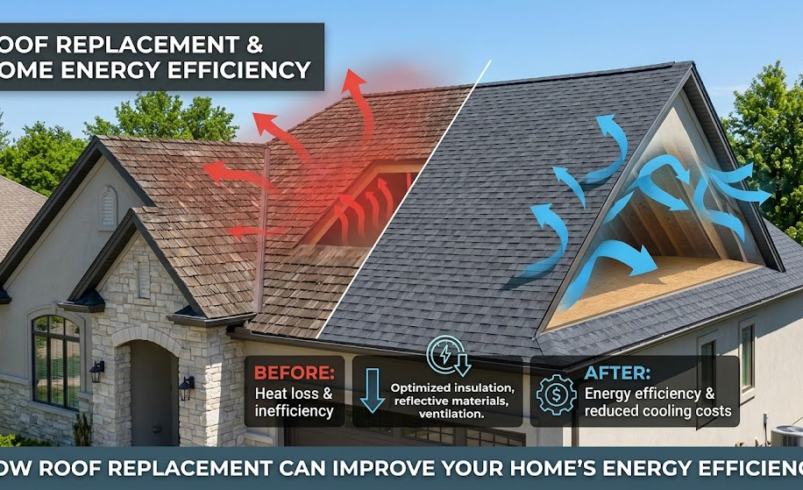
During summer, sunlight heats the roof surface. Some of that heat can travel into the attic and eventually affect the rooms below. During winter, indoor heat can escape through poorly insulated roof assemblies, making it harder to maintain a comfortable temperature.
An updated roofing system can help reduce these problems when it includes appropriate insulation, effective air sealing, and materials suited to the local climate.
Choosing Roofing Materials That Reflect Heat
Certain roofing materials are designed to reflect more sunlight and absorb less heat than conventional alternatives. These products can help reduce roof surface temperatures, particularly during hot weather.
Options may include:
- Cool-roof shingles: Specially designed shingles can reflect more solar energy than standard products in similar colors.
- Reflective metal roofing: Some metal roofing finishes reflect sunlight effectively and can reduce heat absorption.
- Light-colored roofing materials: Lighter surfaces often absorb less solar energy than darker surfaces, although the actual performance depends on the product.
- Reflective roof coatings: On compatible roofing systems, specialized coatings can improve solar reflectance and help control heat gain.
When selecting materials, consider the local climate, roof design, durability, and product specifications. Reflective roofing can be especially useful in warmer climates, while insulation and air sealing may have greater importance in cold-weather performance.
2. Improves Attic Insulation and Thermal Protection
Even a durable, modern roof cannot deliver its full energy-saving potential if the attic has inadequate insulation.
Insulation slows the movement of heat between the living space and the attic. When insulation is missing, compressed, unevenly distributed, or damaged by moisture, indoor temperatures can fluctuate more easily.
During roof replacement, homeowners have an opportunity to inspect the attic and determine whether improvements are needed.
Why Insulation Matters
In winter, warm indoor air naturally tends to move toward colder areas. Without sufficient insulation and proper air sealing, heat can escape through the ceiling and roof assembly.
In summer, heat accumulating in the attic can increase the temperature of rooms directly below it. Good insulation helps limit the transfer of that heat into the living space.
Depending on the home’s design, useful improvements may include:
- Adding insulation to reach the recommended level for the climate.
- Replacing insulation that has become wet or contaminated.
- Sealing gaps around wiring, plumbing penetrations, and ceiling fixtures where appropriate.
- Correcting insulation gaps near attic access points.
- Checking for signs of condensation or moisture before installing new materials.
The appropriate insulation level depends on local building codes, the home’s existing construction, and the climate zone. A roofing contractor can identify visible concerns, while an insulation specialist may be helpful for more extensive upgrades.
3. Supports Better Roof Ventilation
Roof ventilation helps manage heat and moisture in the attic. When the system is properly designed, outdoor air can enter through suitable intake vents and leave through exhaust vents, helping maintain balanced airflow.
Poor ventilation can allow excessive heat and moisture to accumulate. In summer, a very hot attic may contribute to higher cooling demand. During colder months, moisture from the living space can condense on cold roof surfaces if air leaks and ventilation problems are not addressed.
What Should Homeowners Check?
A roof replacement is a practical time to evaluate the ventilation system rather than automatically reinstalling the existing components.
Important areas to review include:
- Soffit vents that provide fresh-air intake.
- Ridge or other suitable exhaust vents.
- Blocked ventilation openings.
- Insulation that obstructs intended airflow paths.
- Signs of condensation, mold, or moisture damage in the attic.
More ventilation is not always better. The system must be appropriately designed for the roof structure, climate, and applicable building requirements. Adding exhaust vents without adequate intake ventilation may not solve the problem and can sometimes contribute to unwanted air movement.
Effective ventilation should also work alongside insulation and air sealing, not replace them.
4. Helps Lower Heating and Cooling Costs
When a roof allows excessive heat to enter or escape, your HVAC system may need to run longer to maintain the thermostat setting. This can increase electricity or fuel consumption, particularly during periods of extreme weather.
A properly planned roof replacement can help reduce that demand by improving the building envelope.
For example, a home with a poorly insulated attic may become uncomfortably warm on sunny afternoons. The air conditioner then has to remove additional heat. If the attic insulation, air sealing, and roofing materials are improved together, less heat may reach the living space.
Likewise, in winter, better insulation and fewer air leaks can help retain indoor heat and reduce the need for continuous heating.
Will a New Roof Automatically Reduce Energy Bills?
Not necessarily. Savings depend on the condition of the old roof, the quality of the new installation, existing insulation, local weather, household habits, and the efficiency of the heating and cooling equipment.
If your current roof is relatively new and already performs well, replacing it may produce only a modest energy improvement. If the existing roof has significant deficiencies, a carefully planned replacement may provide more noticeable benefits.
To evaluate the results, compare utility bills before and after the project while accounting for changes in weather, energy prices, and thermostat settings.
5. Prevents Moisture Problems That Can Damage Insulation
Water intrusion can undermine the energy performance of a roofing system. A small leak around flashing, a roof penetration, or damaged shingles may allow moisture to reach attic insulation and structural materials.
Wet insulation may perform less effectively, depending on its type and condition. Persistent moisture can also contribute to wood deterioration, mold growth, and indoor air quality concerns.
Replacing a failing roof gives homeowners an opportunity to address the sources of moisture instead of simply covering visible damage.
Roofing Details That Deserve Attention
During installation, the contractor should pay close attention to:
- Flashing around chimneys, skylights, and roof-to-wall connections.
- Valleys where sections of the roof meet.
- Pipe boots and other penetrations.
- Underlayment and water-management details.
- Gutters and drainage paths that help direct water away from the roof and building.
These details primarily protect the home from water intrusion, but they also help preserve insulation and other components that support energy efficiency.
If moisture damage is discovered, the affected materials should be assessed and repaired before the roofing system is closed up.
6. Helps Maintain More Consistent Indoor Temperatures
Have you ever noticed that one bedroom is warmer than the rest of the house during summer, or that an upstairs room feels unusually cold in winter?
Temperature differences can have several causes, including ductwork problems, air leaks, insulation gaps, and inadequate HVAC balancing. The roof and attic may be part of the problem.
A roof replacement that includes improvements to insulation and air sealing can help reduce temperature fluctuations between floors. It may also reduce the amount of outdoor heat entering the upper part of the home during sunny weather.
For homeowners planning a larger renovation, coordinating roofing improvements with other building upgrades can make the project more effective.
For example, homeowners considering Roofing Contractors Montrose for a roof assessment may also want to ask whether the attic’s insulation, ventilation, and moisture-control systems should be evaluated before the new roofing materials are installed.
The goal is to improve the entire roof assembly rather than focus exclusively on the visible exterior surface.
7. Increases the Value of Energy-Efficient Home Improvements
A new roof can be part of a broader strategy to improve comfort, durability, and long-term property performance.
Potential benefits include reduced heat transfer, better moisture management, improved attic conditions, and less strain on heating and cooling equipment. These improvements can make a home more appealing to prospective buyers who value maintenance records and practical energy upgrades.
However, a new roof does not automatically guarantee a higher resale price or a particular return on investment. Results depend on the property’s location, market conditions, roofing materials, workmanship, and the overall condition of the home.
Homeowners should prioritize improvements that solve existing problems and offer clear practical benefits rather than choosing upgrades based on resale expectations alone.
It is also worth checking whether local utility providers or government programs offer incentives for qualifying insulation, ventilation, or energy-efficiency improvements. Eligibility requirements vary, and a standard roof replacement may not qualify on its own.
8. Choose the Right Roofing Contractor for Energy Performance
The quality of installation matters just as much as the materials selected. Even an energy-efficient roofing product may underperform if it is installed incorrectly or if important problems beneath the roof are overlooked.
When comparing contractors, ask questions that help you understand the full scope of the proposed work.
Questions to Ask Before Replacing Your Roof
Will you inspect the attic and existing insulation?
An inspection can reveal moisture damage, uneven insulation, and other issues that may affect performance.
Which roofing materials are suitable for my climate?
Ask about durability, solar reflectance where relevant, maintenance requirements, and manufacturer specifications.
Will the project include ventilation improvements?
Confirm whether the existing system is adequate and whether any changes are needed to support balanced airflow.
How will you address flashing and roof penetrations?
These areas are common sources of leaks and deserve careful installation.
Can you explain which upgrades may improve energy efficiency?
A reliable contractor should distinguish between improvements that directly reduce heat transfer and those that primarily improve weather protection or durability.
It is also wise to request a written estimate that clearly separates roofing work from additional insulation, air sealing, or ventilation services. This makes it easier to compare proposals and decide which improvements fit your budget.
Conclusion
Roof replacement can be an effective opportunity to improve your home’s energy efficiency, but the greatest benefits usually come from combining suitable roofing materials with proper insulation, balanced ventilation, and effective air sealing. These improvements can help reduce unwanted heat transfer, support more consistent indoor temperatures, protect insulation from moisture, and potentially lower heating and cooling costs. Before beginning a project, assess the condition of your existing roof and prioritize the upgrades that address your home’s actual needs. With careful planning and professional workmanship, homeowners can create a more comfortable and durable living environment. Whether you are planning roofing improvements or coordinating other property upgrades, JLL Painting can be part of your broader home improvement research as you consider ways to maintain and improve your property.
Frequently Asked Questions (FAQs)
1. Does replacing a roof make a house more energy-efficient?
It can. A roof replacement may improve energy efficiency when it addresses problems such as damaged roofing materials, insufficient insulation, poor ventilation, or air leaks. The actual results depend on the home’s existing condition and the quality of the improvements.
2. What type of roofing is best for energy efficiency?
The best option depends on your climate, roof design, budget, and insulation system. Reflective shingles and certain metal roofing products can reduce solar heat absorption, particularly in warmer climates. Proper insulation and air sealing remain important regardless of the roofing material.
3. Can a new roof reduce heating and cooling bills?
A new roof may help reduce energy bills if the project improves the home’s thermal performance. However, savings are not guaranteed and depend on factors such as insulation, ventilation, weather, HVAC efficiency, and household energy use.
4. Should I upgrade attic insulation when replacing my roof?
Roof replacement is a good time to inspect attic insulation and identify potential improvements. If insulation is inadequate, uneven, or damaged by moisture, upgrading it may improve comfort and energy performance. A professional assessment can help determine the appropriate insulation level and identify any air leaks or moisture issues that need attention.