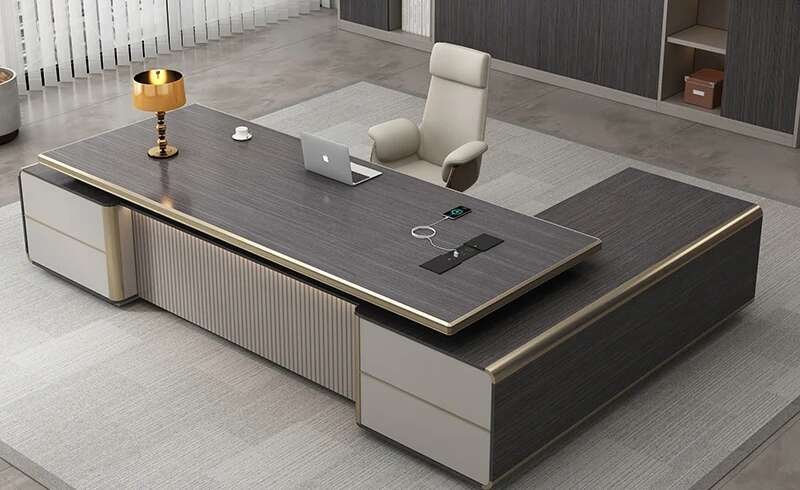

An organized and comfortable workplace plays an important role in employee productivity, professional performance, and business growth. Furniture selection is one of the most important decisions when setting up a new office or upgrading an existing workspace. A well-planned Office Table provides employees with a dedicated area to complete daily tasks, organize essential documents, and use computers without unnecessary distractions. The right table also contributes to the overall appearance of the workplace and helps create a welcoming environment for employees, clients, and business partners. From small home offices to large corporate environments, choosing suitable furniture can make everyday activities more convenient. Businesses should consider workspace dimensions, employee requirements, storage needs, material quality, and interior design before selecting office tables. A thoughtful furniture choice supports better organization while making the office look more professional and functional.
Understanding the Importance of Office Tables in Modern Workplaces
An office table is more than a simple furniture item. It is an essential part of the working environment where employees perform different professional responsibilities. From handling paperwork and attending virtual meetings to managing projects and communicating with customers, a suitable table supports several daily activities. Employees need enough surface space to arrange computers, keyboards, notebooks, office supplies, and other equipment. When the workspace is too small or poorly designed, it can become difficult to maintain organization and complete tasks comfortably. A properly selected table helps create a structured environment where everything has its place.
Businesses should also understand that different departments have different furniture requirements. Administrative employees may need additional space for documents and office supplies, while creative professionals may require larger surfaces for designing, planning, and reviewing projects. Managers might prefer executive furniture that provides additional storage and a professional appearance. Selecting furniture according to specific job responsibilities helps businesses create practical workstations that support everyday operations.
Popular Office Table Styles for Different Business Environments
Modern workplaces require furniture that combines functionality, durability, and attractive design. Different table styles are available to accommodate various office layouts and professional requirements. Rectangular tables remain a popular choice because they provide practical working surfaces and can easily fit against walls or within individual workstations. These tables are suitable for administrative departments, reception areas, and general employee workspaces.
L-shaped tables are another useful option for offices that require additional working space. Their corner-friendly structure allows employees to organize computers, paperwork, and office accessories across separate sections. They are particularly suitable for managers, designers, and professionals who handle multiple tasks throughout the day. Executive tables offer a more formal appearance and often include spacious surfaces, integrated storage, and premium finishes. These designs can create an impressive environment for private offices and meeting spaces.
Compact tables are ideal for startups, small businesses, and offices with limited floor space. Their practical dimensions make it easier to arrange multiple workstations without making the environment feel crowded. Businesses should compare different styles before making a purchase to ensure that the selected furniture matches their available space and working requirements.
Choosing the Right Materials for Long-Term Durability
Material quality is an important factor when purchasing office furniture. A table should withstand regular use while maintaining its appearance and structural stability. Different materials offer different advantages, so businesses should consider their budget, maintenance requirements, and expected furniture usage.
Engineered wood is commonly used because it offers different finishes and design possibilities at relatively affordable prices. It can create a clean and professional appearance when properly manufactured and maintained. Solid wood is another option for businesses that prefer a traditional appearance and substantial construction. However, its weight, maintenance requirements, and cost should be considered before purchasing.
Metal frames are useful for offices that need additional structural support. They are often combined with wooden or engineered wood surfaces to create practical furniture with a contemporary appearance. Laminated surfaces are also popular because they are available in different colors and are generally easy to clean. When comparing materials, buyers should examine the quality of the edges, joints, frame, surface coating, and overall construction.
Office Table Dimensions and Space Planning
Selecting furniture with suitable dimensions helps businesses maintain an organized and comfortable workplace. Before purchasing tables, it is important to measure the available floor area and determine how many employees will use the space. Businesses should also consider walking paths, storage cabinets, doors, windows, and shared equipment when planning their layouts.
A table that is too large can restrict movement and make an office feel overcrowded. On the other hand, a very small table may not provide enough room for essential equipment and documents. The ideal dimensions depend on the employee’s responsibilities and the amount of equipment required for daily work.
Workstation spacing is equally important. Employees should have sufficient room to move their chairs, access storage units, and communicate with colleagues. Open-plan offices can benefit from carefully arranged desks that provide individual working areas without wasting available space. Proper planning helps businesses create a balanced environment where employees can work comfortably and efficiently.
Ergonomic Features That Support Employee Comfort
Employee comfort should be a major consideration when selecting office furniture. Poorly arranged workstations can contribute to discomfort, especially when employees spend several hours working at computers. An appropriately designed table should provide sufficient legroom and allow employees to position their equipment conveniently.
The relationship between the table and office chair is particularly important. Employees should be able to sit with their feet supported, shoulders relaxed, and elbows positioned comfortably while typing. Monitor placement should also allow users to maintain a natural head and neck position. Adjustable furniture can offer additional flexibility because employees can customize their working positions according to their needs.
Cable management is another useful feature. Built-in cable openings and organizers help prevent wires from becoming tangled across the working surface. This improves the overall appearance of the workstation and makes cleaning easier. Storage drawers and side compartments can also help employees keep frequently used items within reach without overcrowding the main surface.
Storage Solutions for Better Workplace Organization
An organized workspace allows employees to locate important documents and office supplies more easily. Storage features should therefore be considered when selecting office furniture. Tables with built-in drawers provide convenient space for stationery, files, notebooks, and personal belongings. Mobile pedestals offer additional flexibility because employees can move them according to their requirements.
Businesses that handle large amounts of paperwork may need tables with multiple drawers or nearby filing cabinets. Professionals who primarily work with digital documents might prefer simpler designs with fewer storage compartments and larger working surfaces. The right arrangement depends on how employees use their workstations throughout the day.
Keeping essential supplies organized also helps maintain a clean office environment. Employees can spend less time searching for misplaced items and more time concentrating on their responsibilities. A practical storage system supports better workflow while making the workplace appear more professional.
Matching Office Furniture With Interior Design
Office furniture contributes significantly to the visual identity of a business. The color, material, shape, and finish of tables should complement the existing interior design. Neutral shades such as white, grey, beige, and natural wood finishes can create a clean and professional appearance. Darker finishes may provide a more formal atmosphere, particularly in executive offices and private meeting rooms.
Businesses should maintain consistency when selecting furniture for different departments. Matching table finishes, storage units, and office chairs can create a coordinated appearance throughout the workplace. However, consistency does not mean every workstation must look identical. Different departments can use furniture styles that suit their activities while maintaining a common design theme.
Lighting should also be considered during office planning. Natural light can make workspaces feel more inviting, while appropriate artificial lighting supports visibility during working hours. Furniture placement should avoid blocking windows or creating unnecessary shadows. Combining suitable furniture with thoughtful interior planning helps establish an environment that feels comfortable and welcoming.
Office Tables for Small Businesses and Growing Companies
Small businesses often operate with limited budgets and restricted office space. For these organizations, purchasing furniture requires careful planning. Instead of focusing only on appearance, business owners should prioritize functionality, construction quality, and long-term usability.
Compact desks, modular workstations, and multi-purpose furniture can help businesses use their available space more effectively. Modular designs are particularly useful for growing companies because they can be rearranged when teams expand or office layouts change. Selecting furniture that supports future requirements can also reduce the need for frequent replacements.
Startups should consider the number of employees, available floor area, equipment requirements, and expected business growth before purchasing furniture. Investing in practical designs can help create a professional environment without unnecessary expenses. A balanced furniture budget should include tables, chairs, storage units, and other essential workplace accessories.
Maintaining Office Tables for Better Performance and Appearance
Regular maintenance helps office furniture remain functional and attractive for longer. Dust and dirt should be removed from working surfaces using suitable cleaning materials. Different finishes may require specific cleaning methods, so businesses should follow the manufacturer’s maintenance instructions.
Employees should avoid placing excessive weight on surfaces that are not designed to support heavy equipment. Spills should be cleaned promptly to prevent stains or damage, particularly on wood-based materials. Loose screws, unstable legs, and damaged edges should also be inspected regularly.
Cable openings, drawers, handles, and moving components require occasional checks to ensure that they remain in good working condition. Proper maintenance not only improves the furniture’s appearance but can also reduce avoidable replacement costs. Establishing simple workplace cleaning practices helps businesses protect their furniture investment.
Factors to Consider Before Purchasing Office Furniture
Buying office furniture requires more than comparing prices and choosing attractive designs. Businesses should evaluate several important factors to make an informed decision. First, the furniture should match the available workspace and the responsibilities of the employees who will use it. Second, buyers should examine material quality, construction, stability, and finishing.
Storage capacity is another important consideration. Employees who handle physical documents may require additional compartments, while digital professionals might prioritize open working surfaces and cable management. Buyers should also consider whether the furniture is easy to assemble, move, clean, and maintain.
Budget planning is equally important. The cheapest option may not always provide the best long-term value, especially when construction quality is poor. Comparing specifications, finishes, warranties, and supplier services can help businesses identify suitable options. A well-informed purchasing decision supports a more organized workplace and reduces the likelihood of unnecessary expenses.
Conclusion
Choosing suitable office furniture is an important step toward creating a productive, organized, and professional working environment. Businesses should consider design, dimensions, materials, ergonomics, storage, and maintenance before purchasing tables for their employees. The right furniture supports everyday activities while helping organizations make better use of their available space. It can also improve the overall appearance of the workplace and create a positive impression on visitors and clients. Whether a company needs compact workstations, executive furniture, or flexible solutions for a growing team, careful planning makes a meaningful difference. Modern office table designs can help businesses explore practical furniture concepts that combine attractive appearances with everyday functionality, making it easier to develop workspaces that support long-term professional needs.