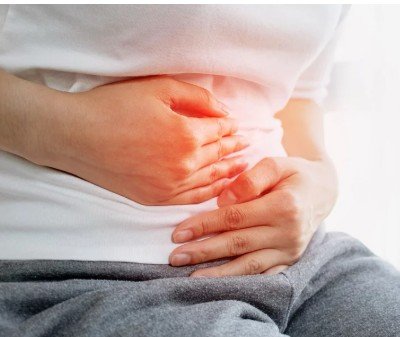

Pelvic Congestion Syndrome (PCS) is a condition associated with enlarged or weakened veins around the pelvic organs, particularly in women of reproductive age. It can cause persistent pelvic discomfort, a feeling of heaviness, and symptoms that may become more noticeable after prolonged standing, physical activity, or certain hormonal changes. Although pelvic pain can have several possible causes, Pelvic Congestion Syndrome is an important condition to consider when discomfort becomes chronic or interferes with everyday activities.
For women researching Pelvic Congestion Syndrome in Dubai, a detailed consultation and individualised assessment are essential for identifying the underlying problem and selecting a suitable management approach. EV Clinic Dubai can be a point of contact for patients seeking further information about pelvic venous conditions, diagnostic evaluation, and advanced treatment options.
EV Clinic Dubai provides a specialised setting where patients can seek information and professional guidance about pelvic health, diagnostic assessments, and available treatment approaches.
What Is Pelvic Congestion Syndrome and How Does It Affect Pelvic Health?
Pelvic Congestion Syndrome is a venous condition that develops when veins within the pelvic region become enlarged and blood flow becomes inefficient. Healthy veins contain valves that help blood travel towards the heart. When these valves do not function properly, blood may flow backwards and accumulate in the pelvic veins.
This pooling of blood can cause veins to become dilated, creating increased pressure within the pelvic circulation. The resulting discomfort is often described as a dull ache, dragging sensation, or persistent heaviness in the lower abdomen.
PCS is frequently associated with pelvic venous insufficiency and may involve the ovarian veins or internal iliac veins. The condition can develop gradually, making it difficult for some women to recognise the underlying cause of their symptoms.
Understanding the relationship between venous circulation and chronic pelvic discomfort is an important first step towards obtaining an accurate diagnosis.
Common Pelvic Congestion Syndrome Symptoms Women Should Recognise
Symptoms can vary from one patient to another depending on the severity of venous enlargement and the affected pelvic veins. Some women experience mild discomfort, while others report persistent pain that affects their daily routines.
Chronic Pelvic Pain and Lower Abdominal Discomfort
One of the most common symptoms is a persistent aching sensation in the lower abdomen or pelvic region. Unlike sudden pain associated with certain other conditions, PCS-related discomfort may develop gradually and continue for several months.
The pain may affect one or both sides of the pelvis and can sometimes extend towards the lower back, hips, or upper thighs.
Pelvic Heaviness and Pressure
Women with pelvic venous congestion may experience a feeling of fullness, pressure, or heaviness in the lower abdomen. This sensation may become more noticeable towards the end of the day, particularly after extended periods of standing or sitting.
Discomfort After Physical Activity
Activities involving prolonged standing, walking, or physical exertion may increase pelvic discomfort. Some women notice that lying down or resting provides temporary relief.
Pain During or After Intimacy
Pain during sexual intercourse or aching that continues afterwards may occur in women with pelvic venous disorders. This symptom can affect physical comfort and emotional well-being.
Changes in Menstrual and Urinary Comfort
Some patients report worsening pelvic discomfort around menstruation. Urinary urgency and other overlapping pelvic symptoms may also occur, although these symptoms are not exclusive to PCS.
Recognising these patterns can help women explain their experiences during a medical consultation.
Why Does Pelvic Congestion Syndrome Develop?
The development of PCS is generally associated with problems in the veins responsible for draining blood from the pelvic region.
Several factors may contribute to the condition.
Incompetent Venous Valves
When venous valves become weakened or fail to close properly, blood can flow backwards instead of moving efficiently towards the heart. This condition is known as venous reflux and can contribute to pelvic vein enlargement.
Hormonal Influences
Oestrogen can influence the elasticity and behaviour of blood vessels. Hormonal changes may therefore contribute to venous dilation in some women.
Pregnancy-Related Circulatory Changes
Pregnancy increases blood volume and places additional pressure on pelvic veins. These changes can contribute to the development or worsening of pelvic venous insufficiency.
Anatomical Differences
In some patients, the structure of pelvic blood vessels may contribute to restricted venous drainage. Compression of certain veins can also affect circulation and lead to increased pressure in the pelvic venous system.
Understanding the underlying cause is important because treatment should address the specific venous abnormality rather than focusing only on discomfort.
How Is Pelvic Congestion Syndrome Diagnosed in Dubai?
An accurate diagnosis requires a combination of clinical assessment, medical history, and appropriate imaging investigations. Since pelvic pain can be associated with several gynaecological, urinary, and gastrointestinal conditions, identifying the source of symptoms is essential.
Initial Medical Consultation
The diagnostic process usually begins with a detailed discussion of symptoms, including their duration, location, intensity, and relationship to menstruation or physical activity.
The healthcare professional may also ask about pregnancy history, previous pelvic conditions, and any earlier investigations or treatments.
Pelvic Ultrasound
Ultrasound is commonly used as an initial imaging investigation. Doppler ultrasound can help evaluate blood flow within pelvic veins and identify enlarged vessels or abnormal reflux.
This examination provides useful information about the pelvic venous system without requiring an invasive procedure.
Magnetic Resonance Imaging (MRI)
MRI can provide detailed images of pelvic structures and blood vessels. It may help identify dilated veins, assess venous anatomy, and evaluate other possible explanations for pelvic pain.
Computed Tomography (CT) Imaging
CT imaging can help visualise pelvic veins and identify anatomical abnormalities or possible venous compression. The choice of imaging depends on the patient’s symptoms and clinical findings.
Venography for Detailed Venous Assessment
In selected cases, catheter-based venography may be performed to examine pelvic venous circulation more closely. A contrast agent is introduced into the vascular system, allowing specialists to visualise blood flow and identify reflux or abnormal vein enlargement.
The results help determine whether a patient may benefit from a targeted venous intervention.
Advanced Pelvic Congestion Syndrome Treatment Options in Dubai
Treatment depends on the severity of symptoms, imaging findings, the affected veins, and the patient’s overall health. Modern management approaches focus on improving venous circulation and addressing the underlying cause of pelvic congestion.
Conservative Management and Symptom Control
For patients with relatively mild symptoms, initial management may involve lifestyle adjustments and medical guidance.
These approaches can include:
- Maintaining regular, appropriate physical activity.
- Avoiding extended periods of standing when possible.
- Taking breaks during prolonged sitting.
- Following an individually recommended exercise routine.
- Discussing suitable pain-management options with a healthcare professional.
Conservative approaches may help some patients manage discomfort, although they do not necessarily correct the underlying venous reflux.
Pelvic Vein Embolisation
Pelvic vein embolisation is an established minimally invasive treatment for appropriately selected patients with symptomatic pelvic venous insufficiency.
The procedure involves accessing a vein, commonly through a small puncture in the groin or neck, and guiding a thin catheter towards the affected pelvic veins using imaging guidance.
Once the target veins have been identified, specialised materials such as coils or medical embolic agents may be used to close the abnormal veins and redirect blood through healthier circulation pathways.
Potential advantages of this approach include:
- Small access points rather than large surgical incisions.
- Image-guided treatment of affected veins.
- Avoidance of major open surgery in suitable patients.
- A generally shorter recovery period compared with traditional surgery.
- The possibility of addressing the underlying venous reflux.
The exact technique depends on the patient’s vascular anatomy and the findings obtained during diagnostic evaluation.
Endovascular Treatment for Venous Reflux
Endovascular procedures involve treating vascular abnormalities from within the blood vessels. Depending on the clinical findings, specialists may consider targeted approaches to manage abnormal venous flow.
These procedures are planned according to the location and extent of venous insufficiency, helping ensure that treatment is directed towards the vessels responsible for the patient’s symptoms.
Individualised Follow-Up and Recovery Care
Follow-up is an important part of treatment. Patients may receive recommendations regarding activity levels, recovery expectations, and additional imaging when clinically appropriate.
The purpose is to evaluate treatment outcomes, monitor pelvic venous circulation, and determine whether further management is required.
Why Choose EV Clinic Dubai for Pelvic Congestion Syndrome Evaluation?
Choosing an appropriate healthcare facility is an important part of obtaining reliable information and accessing suitable treatment.
EV Clinic Dubai is a relevant point of contact for individuals seeking professional guidance about venous conditions and advanced vascular treatment approaches.
Patients exploring care for pelvic venous disorders should consider several important aspects when selecting a clinic.
Specialised Understanding of Venous Conditions
Pelvic venous disorders require an understanding of vascular anatomy, blood flow, and venous insufficiency. A focused evaluation can help distinguish PCS from other conditions associated with chronic pelvic pain.
Access to Modern Diagnostic Approaches
Appropriate imaging plays an important role in identifying abnormal veins and determining the extent of pelvic congestion. Diagnostic planning should be based on individual symptoms and clinical findings.
Personalised Treatment Planning
Not every patient with enlarged pelvic veins requires an intervention. Treatment recommendations should consider symptom severity, imaging results, medical history, and individual circumstances.
Patient Education and Clear Communication
Understanding the condition and available treatment options helps patients participate more confidently in their healthcare decisions. A consultation should provide an opportunity to discuss diagnostic findings, procedural approaches, and expected recovery.
Who May Benefit from Pelvic Congestion Syndrome Treatment?
Women experiencing persistent pelvic discomfort may benefit from an assessment for PCS, particularly when symptoms follow a pattern associated with pelvic venous congestion.
Potential candidates for further evaluation include women who:
- Experience chronic pelvic pain without a clear explanation.
- Notice increased discomfort after prolonged standing.
- Experience pelvic heaviness or pressure.
- Have pain during or after sexual intercourse.
- Have imaging findings suggesting enlarged pelvic veins.
- Have persistent symptoms despite previous treatment for other suspected causes.
However, enlarged pelvic veins alone do not establish a diagnosis. Treatment decisions should be based on the relationship between symptoms and documented venous abnormalities.
Best Pelvic Congestion Syndrome In Dubai: What Should Patients Look For?
Finding the Best Pelvic Congestion Syndrome in Dubai involves looking beyond general clinic descriptions and understanding the quality of assessment and treatment planning available.
Patients should consider the following factors when researching their options:
Relevant Vascular Experience
A specialist’s experience with venous disorders and image-guided vascular procedures is an important consideration. Patients should ask about experience evaluating pelvic venous insufficiency and performing relevant interventions.
Comprehensive Diagnostic Evaluation
The right treatment begins with identifying the source of symptoms. A clinic should have an appropriate diagnostic pathway that considers both pelvic venous abnormalities and other possible causes of discomfort.
Evidence-Based Treatment Options
Treatment recommendations should be supported by clinical findings and established medical approaches. Patients should receive clear explanations of conservative care, embolisation, and other relevant interventions.
Transparent Consultation and Treatment Planning
A detailed consultation helps patients understand their diagnosis, available options, expected treatment process, and follow-up arrangements.
EV Clinic Dubai can be considered by patients researching specialised guidance for pelvic venous conditions and available treatment pathways.
Pelvic Congestion Syndrome Cost In Dubai: What Determines the Treatment Price?
Understanding the Pelvic Congestion Syndrome Cost in Dubai is an important part of planning medical care. The overall expense can differ considerably depending on the patient’s diagnosis, required investigations, and selected treatment approach.
There is no single price that applies to every patient because treatment is individually planned.
Diagnostic Investigation Costs
The initial assessment may include consultation fees, ultrasound examinations, MRI, CT imaging, or other investigations. The total depends on which tests are clinically necessary.
Type of Treatment Required
Conservative management and minimally invasive procedures have different cost structures. Patients undergoing pelvic vein embolisation may require specialised imaging equipment, catheter-based techniques, and medical embolic materials.
Complexity of Venous Anatomy
Some patients have abnormalities involving multiple pelvic veins or additional vascular conditions. More complex cases may require additional investigations and a more detailed treatment plan.
Follow-Up and Aftercare
Post-treatment consultations and any recommended imaging may also contribute to the overall cost.
Patients should request an individualised estimate from EV Clinic Dubai after their assessment. A clear cost discussion should explain which investigations and treatment services are included.
What to Expect During Recovery After Pelvic Vein Embolisation?
Recovery following pelvic vein embolisation is generally more straightforward than recovery from major open surgery because the procedure uses a small vascular access point.
Many patients return home on the same day or after a short observation period, depending on their individual circumstances and the treatment performed.
Initial Recovery Period
Patients may experience temporary tenderness around the access site or mild pelvic discomfort. Their healthcare team will provide instructions about rest, activity, and medication when needed.
Gradual Return to Daily Activities
Most patients can gradually resume normal activities according to their specialist’s advice. The timing varies depending on individual recovery and procedural details.
Monitoring Treatment Outcomes
Symptom improvement may develop over time rather than immediately. Follow-up appointments allow the healthcare professional to assess progress and determine whether additional evaluation is necessary.
Frequently Asked Questions About Pelvic Congestion Syndrome in Dubai
What is the main symptom of Pelvic Congestion Syndrome?
Chronic pelvic pain is one of the most common symptoms. It may feel like a dull ache, pressure, or heaviness in the lower abdomen and can become more noticeable after prolonged standing or physical activity.
Can Pelvic Congestion Syndrome be treated without surgery?
Yes. Depending on symptom severity, patients may begin with conservative management. Pelvic vein embolisation is also a minimally invasive, image-guided procedure that does not require traditional open surgery.
Is pelvic vein embolisation a permanent treatment?
Embolisation is intended to close the abnormal veins responsible for venous reflux. Many appropriately selected patients experience lasting symptom improvement, although outcomes vary and additional treatment may occasionally be required.
How long does recovery take after pelvic vein embolisation?
Recovery is generally relatively short compared with open surgery. Many patients return to routine activities within a few days, depending on their individual condition and specialist recommendations.
Can Pelvic Congestion Syndrome affect fertility?
PCS does not automatically mean that a woman will experience infertility. Its relationship with fertility is not fully established, and individual reproductive concerns should be discussed with a qualified healthcare professional.
How is Pelvic Congestion Syndrome confirmed?
Diagnosis generally involves clinical assessment and imaging. Doppler ultrasound, MRI, CT, and catheter venography may be used depending on the patient’s symptoms and the level of diagnostic detail required.
How much does Pelvic Congestion Syndrome treatment cost in Dubai?
The cost depends on consultation requirements, diagnostic imaging, the complexity of the venous condition, and whether an intervention such as embolisation is needed. An individual estimate should be requested after clinical evaluation.
Conclusion
Pelvic Congestion Syndrome is an important but sometimes overlooked cause of chronic pelvic discomfort. Understanding its symptoms, underlying venous changes, and diagnostic methods can help women take informed steps towards appropriate care.
Modern diagnostic imaging and minimally invasive procedures, particularly pelvic vein embolisation, have expanded the available treatment options for patients with symptomatic pelvic venous insufficiency.