
Outdoor playground equipment plays an essential role in creating fun, active, and engaging environments where children can develop physical skills, build confidence, and enjoy social interaction. From schools and parks to nurseries, residential communities, and recreational facilities, well-designed playgrounds encourage children to spend more time outdoors while supporting their overall development.
Modern playgrounds offer much more than traditional swings and slides. They feature innovative play structures, climbing frames, interactive equipment, and inclusive play solutions designed for children of different ages and abilities. Investing in high-quality outdoor playground equipment helps create attractive, durable, and safe spaces that encourage active play for years to come.
What Is Outdoor Playground Equipment?
Outdoor playground equipment refers to purpose-built structures and recreational features designed to provide children with opportunities for physical activity, exploration, and imaginative play. These installations can be found in public parks, schools, childcare centres, sports facilities, and private outdoor spaces.
Common playground equipment includes swings, slides, climbing frames, seesaws, spring riders, balance beams, tunnels, and multi-play units. Each type of equipment offers different experiences, helping children improve coordination, balance, strength, and problem-solving abilities.
Modern playground designs often combine several activities into one integrated structure, allowing children to enjoy different forms of play within a single space.
Popular Types of Outdoor Playground Equipment
Choosing the right equipment depends on the available space, children’s age groups, safety requirements, and intended activities. Some popular options include:
1. Outdoor Swings
Swings are among the most popular playground features. They provide an enjoyable experience while helping children develop balance, coordination, and body awareness. Options include traditional belt swings, toddler bucket swings, inclusive swings, and multi-bay swing frames.
2. Playground Slides
Slides add excitement to playgrounds and encourage active movement. Available in straight, spiral, tube, and wave designs, they can be incorporated into standalone structures or larger multi-play systems. Selecting suitable slide heights and safe access points is important for different age groups.
3. Climbing Frames
Climbing frames encourage children to challenge themselves while improving upper-body strength, flexibility, coordination, and confidence. Popular options include climbing nets, rope structures, monkey bars, climbing walls, and traditional frames.
4. Multi-Play Units
Multi-play units combine slides, bridges, climbing features, platforms, and tunnels into one complete playground structure. They are particularly useful for schools, public parks, and community spaces that need multiple activities within a limited footprint.
5. Inclusive Playground Equipment
Inclusive playground equipment helps children with different physical and developmental abilities participate in outdoor activities. Accessible ramps, sensory panels, supportive swings, and ground-level play features can make playgrounds more welcoming and accessible.
Benefits of Installing Outdoor Playground Equipment
A professionally designed playground provides several benefits for children, families, and communities.
Encourages Physical Development: Climbing, running, swinging, and jumping help children develop strength, flexibility, balance, and coordination. Regular outdoor activity also supports healthier lifestyles.
Supports Social Interaction: Playground activities encourage children to communicate, cooperate, share, and develop friendships. Group play helps build essential social skills.
Improves Creativity and Imagination: Play structures provide opportunities for imaginative games, exploration, and role-playing. Children can turn simple playground features into exciting environments for creative activities.
Builds Confidence: Successfully climbing a structure, crossing a balance beam, or trying a new activity helps children develop independence and self-confidence.
Promotes Outdoor Engagement: Attractive playgrounds encourage children to spend more time outside instead of relying entirely on indoor entertainment and screen-based activities.
Choosing the Right Playground Equipment
Selecting suitable outdoor playground equipment requires careful planning. The best playground should balance entertainment, accessibility, safety, and long-term value.
Consider Children’s Age Groups
Different age groups have different physical abilities and play requirements. Toddlers benefit from low-height slides, supportive swings, and simple interactive equipment. Older children may prefer climbing structures, challenging play systems, and more adventurous activities.
Separate play areas can help accommodate different developmental stages.
Evaluate Available Space
Measure the installation area before selecting equipment. Consider the required safety zones, access routes, surrounding obstacles, landscaping, and space for children to move freely.
A well-planned layout prevents overcrowding and allows several children to enjoy the playground simultaneously.
Choose Durable Materials
Outdoor equipment must withstand regular use and changing weather conditions. Common materials include galvanised steel, powder-coated metal, treated timber, high-density polyethylene (HDPE), and UV-resistant plastics.
Selecting corrosion-resistant and weather-appropriate materials helps reduce maintenance requirements and extends equipment lifespan.
Prioritise Safety and Accessibility
Safety should always be a primary consideration. Choose equipment designed and installed according to applicable playground safety standards. Appropriate fall protection, secure foundations, rounded edges, suitable spacing, and impact-absorbing surfaces are essential.
Accessible pathways and inclusive features also help ensure more children can participate.
Playground Surfacing and Safety Considerations
Playground surfacing is just as important as the equipment itself. Suitable surfaces help reduce the risk of injuries caused by accidental falls.
Popular playground surfacing options include:
-
Rubber safety flooring: Provides impact absorption and can create a smooth, colourful play surface.
-
Engineered wood fibre: Offers a natural appearance and cushioning when correctly installed and maintained.
-
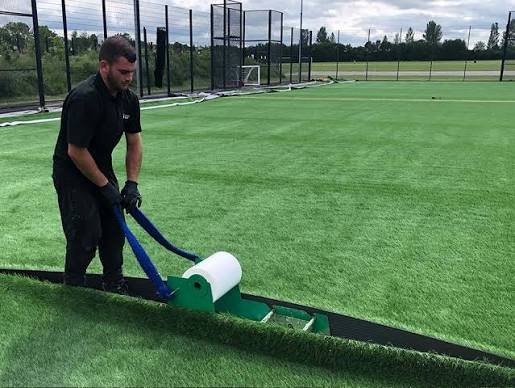
Artificial grass: Creates an attractive, low-maintenance surface when installed with an appropriate shock-absorbing underlay.
-
Poured-in-place rubber: Provides a seamless, accessible surface suitable for many commercial playground environments.
The correct surface depends on equipment fall heights, accessibility needs, drainage, and maintenance requirements.
Regular inspections should identify loose bolts, damaged components, sharp edges, worn surfaces, and other potential hazards. Equipment should be maintained according to manufacturer recommendations and applicable safety guidelines.
Where Can Outdoor Playground Equipment Be Installed?
Outdoor playground equipment can transform a wide range of environments, including:
-
Schools: Encourage physical education, recreation, and social development during breaks.
-
Public parks: Create attractive community spaces for families and children.
-
Nurseries and childcare centres: Provide age-appropriate activities that support early childhood development.
-
Residential communities: Improve shared outdoor facilities and create family-friendly neighbourhood environments.
-
Sports and recreation facilities: Complement sporting areas with dedicated play spaces.
-
Commercial developments: Enhance family-oriented environments in leisure destinations and hospitality properties.
Each installation should be designed around its intended users, available space, and expected level of use.
Why Professional Playground Installation Matters
Professional playground installation helps ensure that equipment is assembled, positioned, and secured correctly. Experienced installers can assess site conditions, prepare foundations, establish suitable safety zones, and recommend appropriate surfacing.
A professional installation process generally includes site assessment, playground design, ground preparation, equipment installation, surfacing, and final safety checks.
Working with an experienced playground provider also helps property owners and facility managers select suitable equipment, manage project requirements, and plan ongoing maintenance.
Conclusion
Outdoor playground equipment is a valuable investment in children’s physical development, creativity, confidence, and social wellbeing. Whether developing a school playground, upgrading a public park, or creating a recreational area for a residential community, choosing the right equipment makes a significant difference.
By prioritising durable materials, inclusive designs, appropriate surfacing, and professional installation, organisations can create safe and engaging outdoor environments that children enjoy for years. A thoughtfully designed playground is more than a collection of recreational structures; it is a space where children learn, explore, build friendships, and create lasting memories.
Frequently Asked Questions (FAQs)
1. What is the best outdoor playground equipment for schools?
Multi-play units, swings, slides, climbing frames, and balance equipment are popular choices for schools. The best combination depends on students’ ages, available space, and safety requirements.
2. What materials are commonly used in outdoor playground equipment?
Common materials include galvanised steel, powder-coated metal, treated timber, HDPE, and UV-resistant plastics. These materials offer durability and suitability for outdoor environments.
3. How do I make a playground safe for children?
Choose age-appropriate equipment, install suitable impact-absorbing surfaces, maintain safe spacing, secure all structures, and arrange regular inspections and maintenance.
4. Is inclusive playground equipment important?
Yes. Inclusive playground equipment provides opportunities for children with different abilities to participate in recreational activities and enjoy outdoor play together.
5. How often should playground equipment be inspected?
Playgrounds should receive routine visual checks, periodic operational inspections, and comprehensive inspections according to manufacturer recommendations and applicable safety standards. High-use facilities may require more frequent checks.