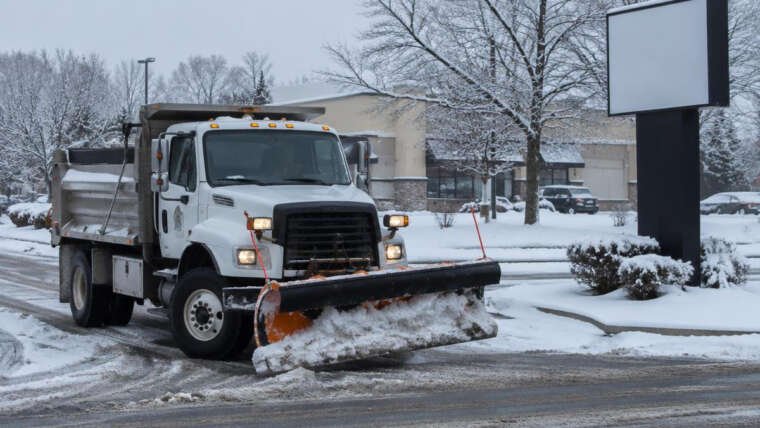

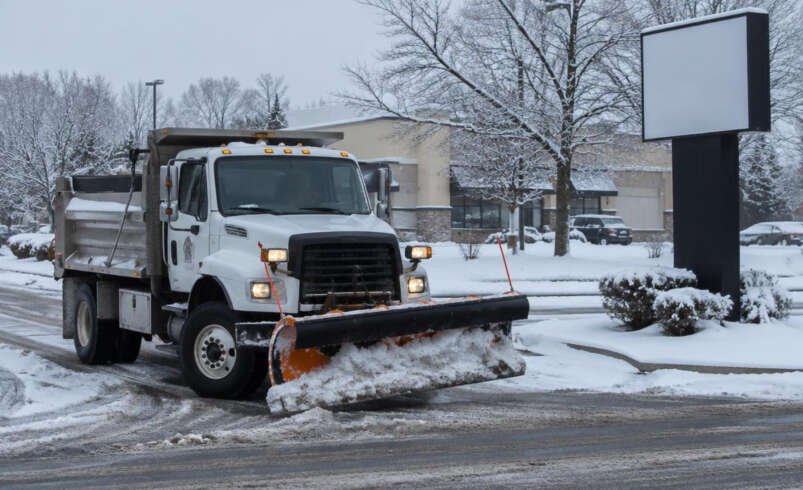

Businesses researching commercial snow removal Edison NJ should consider how a structured storm response can improve the way their properties are maintained. Having clear procedures for monitoring weather, arranging services, communicating updates, and evaluating site conditions helps reduce uncertainty when winter weather approaches.
A reliable response plan does not depend on predicting every detail of a storm. Instead, it establishes a practical process that can be adjusted as conditions develop. By preparing for different stages of a winter weather event, commercial property managers can make more informed decisions and keep important responsibilities organized.
Monitor Weather Information Before Conditions Change
Monitoring weather forecasts is an important starting point for commercial winter preparation. Property managers should pay attention to expected snowfall, temperature changes, precipitation timing, and the possibility of changing conditions throughout the day.
Rather than relying on a single forecast update, managers can review information periodically as a weather event approaches. This helps them understand whether existing maintenance arrangements may need adjustments. Forecasts are not guarantees, but they provide useful information for planning communication, reviewing access requirements, and preparing the property for possible snowfall.
Establish Different Response Stages
A commercial winter response plan can be organized into several stages, such as preparation, active weather monitoring, snow-clearing operations, and post-storm review. Each stage should have clearly defined responsibilities.
For example, preparation may involve confirming service arrangements and checking property access, while the active weather stage focuses on communication and changing site conditions. After snowfall, managers can review remaining maintenance needs. Dividing responsibilities into stages makes the process easier to understand and helps prevent important tasks from being overlooked.
Set Priorities According to Operational Importance
When snowfall affects several areas simultaneously, property managers need a practical way to determine which locations require attention first. The most important areas will depend on the type of business and how people use the property.
A facility with frequent deliveries may prioritize access around loading areas, while a retail property may place greater emphasis on customer entrances and pedestrian routes. Offices, warehouses, and multi-tenant buildings can have different requirements. Establishing these priorities before winter begins gives service providers a clearer understanding of the property’s operational needs.
Account for Wind and Reduced Visibility
Snowfall is not the only weather condition that can affect commercial property maintenance. Wind can move loose snow across cleared surfaces, while blowing snow may reduce visibility around entrances, parking areas, and vehicle routes.
These conditions can make a property look different from one inspection to the next. Managers should consider exposed sections, open parking facilities, and areas where nearby structures may influence drifting patterns. Understanding how wind affects the site helps identify locations that may require additional observation after the initial clearing work has been completed.
Coordinate Service Timing With Business Activity
The timing of winter maintenance can influence how easily a commercial property continues operating. Businesses may have early employee arrivals, scheduled customer appointments, regular deliveries, or evening operations that need to be considered.
Managers should communicate these schedules when arranging snow services. They can identify periods when access is especially important and discuss how maintenance activity will be coordinated around normal site use. For commercial properties in Edison, NJ, considering both weather conditions and business schedules can help create a more practical service arrangement.
Prepare for Equipment and Vehicle Movement During a Storm
Snow-clearing equipment and commercial vehicles may need to use the same exterior areas during winter weather. Delivery trucks, employee vehicles, waste collection services, and maintenance machinery can create congestion when space becomes limited.
Property managers should consider how these activities will interact before a storm arrives. Identifying suitable access routes and explaining any restrictions can help reduce unnecessary interference. Where possible, businesses can also communicate expectations about parking arrangements so that service providers have appropriate access to the areas included in the maintenance plan.
Maintain Clear Communication During Changing Conditions
Winter weather can change quickly, making consistent communication particularly valuable. Property managers should establish how updates will be shared with employees, tenants, service providers, and other relevant contacts.
Messages should explain practical information, such as temporary access changes, maintenance activity, or areas that require attention. It is also useful to have one primary point of contact for coordinating service-related questions. This reduces the possibility of conflicting instructions and helps everyone receive consistent information throughout the weather event.
Review Conditions After Clearing Operations
Completing the initial snow-clearing work does not automatically mean every part of a property is ready for normal use. Managers should arrange appropriate follow-up observations to identify areas that may need further attention.
These reviews can include checking whether entrances remain accessible, whether snow piles restrict visibility, and whether drainage areas are affected by accumulated material. Property managers should also pay attention to surfaces where changing temperatures may alter conditions after the main snowfall. A structured review helps identify remaining concerns before they become recurring maintenance problems.
Record Important Details From Each Weather Event
Keeping a record of winter maintenance activity can improve future planning. Useful information may include the timing of snowfall, areas requiring additional work, communication difficulties, service coordination issues, and feedback from property occupants.
These records do not need to be complicated. A consistent log can provide enough information to identify patterns over the course of a season. For example, managers may discover that certain access points repeatedly require additional attention or that particular scheduling arrangements create conflicts with deliveries. Snow Patrol LLC is an option property managers may consider when exploring seasonal service arrangements, and documented observations can help communicate specific site requirements.
Review and Improve the Response Plan After Winter
At the end of the season, property managers should evaluate whether their response procedures were suitable for the property’s actual needs. They can consider whether priorities were clear, communication worked effectively, and service arrangements reflected the site’s operating schedule.
Changes to the property should also be included in this review. New entrances, altered parking layouts, additional tenants, and revised delivery arrangements may influence future winter requirements. Updating the plan before the next season gives managers an opportunity to make improvements without waiting for another storm to expose the same problems.
Conclusion
A well-organized winter response plan helps commercial property managers approach snowfall with clearer priorities and more consistent procedures. Monitoring forecasts, defining response stages, coordinating service timing, maintaining communication, and reviewing conditions after clearing operations all contribute to more effective property management.
For businesses in Edison, NJ, commercial snow removal is an important part of preparing for seasonal weather disruptions. Snow Patrol LLC is one option to consider when evaluating winter service arrangements, while a property-specific response plan helps ensure that maintenance decisions remain connected to the practical needs of the business.