


Telecommunications infrastructure plays an essential role in modern business and everyday communication. Mobile networks, broadband connections, data transmission systems and communication facilities all depend on reliable electrical infrastructure.
As telecom providers expand network coverage, upgrade existing equipment and improve communication services, they undertake installation and maintenance projects across different locations. These activities may require temporary electricity for contractors, technical equipment and site operations.
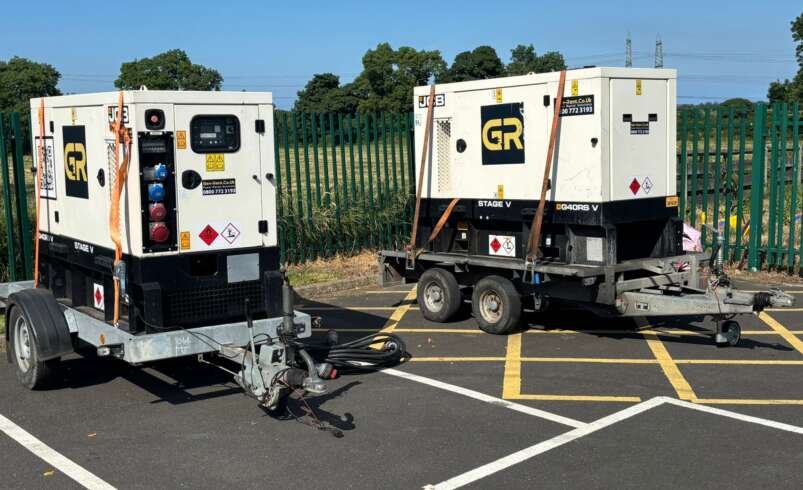
In some situations, the existing electrical supply may be unavailable, undergoing maintenance or unsuitable for the immediate requirements of a project. Temporary generator hire can provide an alternative power source for selected installation and operational activities.
Why Telecom Projects May Require Temporary Power
Telecommunications projects can involve several types of work, from upgrading network infrastructure to installing equipment at remote locations. Each project has different electrical requirements.
Temporary power may be required for:
- Communication equipment installation
- Network infrastructure upgrades
- Electrical maintenance activities
- Temporary site offices
- Contractor tools and equipment
- Testing and commissioning activities
- Lighting for work areas
- Temporary facilities at installation sites
The power requirements depend on the project scope, equipment specifications and duration of the work.
For example, a network installation project may require electricity for tools, testing equipment and temporary facilities. A larger infrastructure upgrade may involve additional electrical loads and distribution requirements.
Identifying these needs before work begins helps project managers organise an appropriate temporary power arrangement.
Supporting Network Installation and Maintenance
Telecom infrastructure projects often take place at locations where electrical access is limited or where existing supplies need to be modified.
Temporary generator power may be considered in several situations.
- Equipment installation: Contractors installing communication equipment may need temporary electricity for tools, testing devices and installation activities.
- Network upgrades: Existing infrastructure may require electrical modifications while new equipment is introduced.
- Maintenance projects: Temporary power can support selected work activities when parts of an electrical installation are isolated.
- Remote locations: Some telecom projects take place away from established buildings, making access to permanent electricity more challenging.
Before arranging a generator, project teams should establish which equipment requires power and whether temporary electricity is suitable for the intended application.
Choosing the Right Generator for a Telecom Project
Generator selection should be based on the electrical requirements of the equipment and the conditions at the installation site.
Choosing a generator simply by estimating the total wattage of connected equipment may not provide an accurate assessment. Electrical loads, starting currents and operating conditions should all be considered.
Important factors include:
- Total connected electrical load
- Equipment starting requirements
- Voltage and phase requirements
- Expected operating hours
- Number of devices operating simultaneously
- Generator positioning and site access
- Environmental conditions
- Fuel arrangements
Sensitive telecommunications equipment may have specific power quality and continuity requirements. A generator should not automatically be treated as a suitable supply for critical network equipment without a technical assessment.
Qualified electrical professionals should assess the proposed installation, including any required protection, monitoring and changeover arrangements.
Gen-Rent UK offers generator hire solutions for temporary power requirements across different commercial and industrial applications. Available generator capacities range from 30kVA to 2,000kVA, subject to availability and project requirements.
The Importance of Temporary Electrical Distribution
A generator is only one part of a temporary power installation. Electrical distribution equipment and suitable cables are also required to connect the power source to the intended equipment.
Telecom projects may involve several work areas, temporary offices, installation points and contractor facilities. The distribution arrangement should be designed around the site layout and electrical requirements.
Project teams should consider:
- Cable selection: Cable type and size should be appropriate for the electrical load, installation conditions and cable length.
- Distribution panels: Suitable distribution equipment can help organise electrical supplies across different areas.
- Cable routing: Routes should avoid vehicle movements, pedestrian access and areas where cables could be damaged.
- Electrical protection: Appropriate protective equipment and connections should be selected for the installation.
- Environmental conditions: Outdoor installations may require additional consideration for weather exposure and physical protection.
Gen-Rent UK provides cables and distribution equipment for temporary electrical installations. Its range includes LV and MV cables, distribution panels, junction boxes and related equipment.
Managing Power Requirements at Remote Telecom Sites
Remote telecom installations can present additional logistical challenges. Access may be restricted, site conditions can vary and electrical infrastructure may be limited.
Before arranging temporary generator equipment, project managers should review the installation location and establish practical requirements.
These may include:
- Access for generator delivery and positioning
- Available space for equipment
- Ground conditions
- Ventilation and exhaust considerations
- Fuel storage and refuelling arrangements
- Cable distances and distribution points
- Security and site access arrangements
The generator location should be selected with consideration for nearby buildings, working areas and equipment. Noise, ventilation and environmental requirements should also be reviewed.
A site assessment can help identify potential installation challenges before equipment arrives.
Planning Generator Hire Around Project Schedules
Telecom upgrades are often delivered according to installation schedules and planned maintenance windows. Delays in arranging temporary power can affect contractors and other project activities.
A structured power plan should be prepared before work begins.
1. Identify the electrical loads
Create a list of tools, equipment and temporary facilities that require electricity. Confirm their electrical specifications with the relevant technical teams.
2. Establish the operating duration
Determine how long temporary power will be needed and whether the equipment will operate continuously or intermittently.
3. Assess the installation site
Review access, positioning, cable routes, ventilation and environmental conditions.
4. Plan electrical distribution
Identify the required cables, distribution panels and connections for the intended loads.
5. Coordinate with contractors
Ensure project managers, electrical contractors and installation teams understand the temporary power arrangement.
6. Test before operation
The temporary installation should be inspected and tested by qualified personnel before the connected equipment is put into service.
This process helps ensure that temporary power arrangements are suitable for the project and its operating conditions.
Why Businesses Should Consider Professional Generator Hire
Hiring a generator can be a practical option for businesses that need temporary electricity without purchasing equipment for a short-term project.
Generator hire allows project teams to identify equipment requirements according to the planned application and duration.
It can be particularly relevant for telecom contractors managing multiple installations, infrastructure upgrades and maintenance activities.
However, the generator should always be selected according to the actual electrical load, site conditions and technical requirements. Availability, installation arrangements and project suitability should be confirmed before work begins.
Conclusion
Telecom network upgrades depend on careful coordination between electrical infrastructure, communication equipment and installation teams. Temporary generator hire can support selected activities during network installations, maintenance and infrastructure improvements where an alternative power supply is required.
By assessing electrical loads, planning distribution equipment and reviewing site conditions, project managers can prepare a suitable temporary power arrangement.