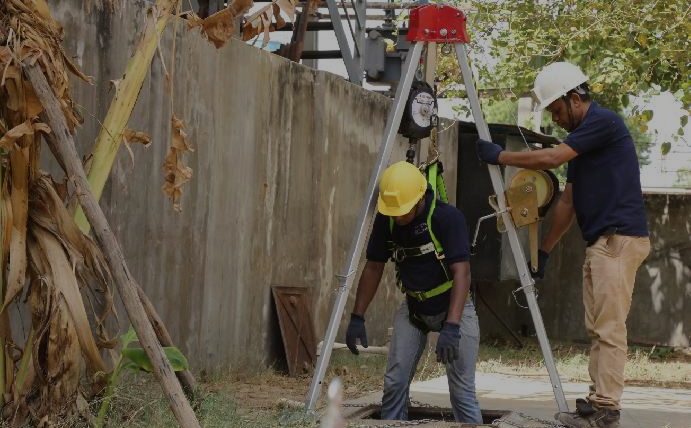



Workplace safety is often tested during ordinary moments rather than major emergencies. A supervisor notices a worker using equipment without proper protection. A manager observes a blocked exit route during a busy shift. These situations may seem minor at first, but they can quickly lead to serious incidents if risks are not identified and addressed early.
Safety leadership plays a crucial role in preventing workplace injuries, improving compliance, and creating a culture where employees feel protected. This is why structured safety education has become increasingly important across industries such as construction, manufacturing, warehousing, logistics, and general industry operations.
One of the most recognized training programs for workplace safety leadership is the OSHA 30 Hour Course. Designed primarily for supervisors, managers, and individuals responsible for overseeing workplace operations, this program provides a deeper understanding of hazard recognition, regulatory requirements, and practical safety management principles.
OSHA 30-Hour Program
The Occupational Safety and Health Administration (OSHA) developed outreach training programs to help employers and workers understand workplace hazards and safety responsibilities.
Unlike introductory safety awareness programs, the 30-hour course offers a more comprehensive examination of workplace risks. It is intended for personnel who make decisions, supervise teams, or contribute to safety planning within an organization.
Participants learn how to recognize common hazards, understand worker rights, and implement preventive measures that reduce the likelihood of incidents.
The training typically focuses on topics such as:
- Hazard identification
- Fall protection
- Personal protective equipment
- Electrical safety
- Fire prevention
- Emergency preparedness
- Health hazards in the workplace
- Recordkeeping and reporting requirements
The goal is not simply to satisfy a training requirement. It is to equip participants with practical knowledge they can apply in real workplace situations.
Why Supervisors and Managers Need Advanced Safety Knowledge?
Supervisors serve as the bridge between organizational policies and day-to-day operations. When safety procedures are overlooked, supervisors are often the first individuals expected to identify and correct the issue.
Consider a warehouse environment where employees regularly move heavy materials using forklifts. A supervisor who understands hazard recognition can spot unsafe traffic patterns before they result in collisions or injuries.
Similarly, a construction manager overseeing multiple subcontractors must recognize fall hazards, equipment risks, and site-specific dangers while ensuring compliance with established safety procedures.
Without proper training, even experienced leaders may overlook warning signs that could contribute to accidents.
The Cost of Poor Safety Awareness
Workplace incidents can create numerous challenges, including:
- Employee injuries
- Operational disruptions
- Equipment damage
- Reduced workforce morale
- Regulatory violations
Many incidents occur not because hazards are unknown, but because warning signs were missed or preventive measures were not consistently applied.
A well-trained supervisor is often the first line of defense against these preventable events.
Core Topics Covered in OSHA 30-Hour Training
The course covers a broad range of workplace safety topics that help participants develop a stronger understanding of occupational hazards.
Hazard Recognition and Risk Assessment
Identifying hazards is one of the most important skills taught during training.
Participants learn how to:
- Evaluate workplace conditions
- Recognize unsafe behaviors
- Assess potential risks
- Prioritize corrective actions
This systematic approach allows safety concerns to be addressed before incidents occur.
Fall Protection
Falls remain one of the leading causes of workplace injuries, particularly in construction environments.
Training typically addresses:
- Guardrail systems
- Safety nets
- Personal fall arrest systems
- Ladder safety
- Scaffold safety
Participants learn how to recognize fall hazards and implement appropriate protective measures.
Electrical Safety
Electrical hazards can lead to severe injuries and fatalities when not properly managed.
Key learning areas include:
- Lockout/tagout principles
- Safe equipment operation
- Hazard identification
- Electrical protective measures
Understanding these concepts helps reduce exposure to dangerous energy sources.
Personal Protective Equipment (PPE)
Personal protective equipment serves as a critical barrier between workers and workplace hazards.
Training examines:
- PPE selection
- Proper use
- Maintenance requirements
- Employer and employee responsibilities
Participants gain a better understanding of how PPE fits within a broader safety management strategy.
Fire Prevention and Emergency Response
Emergency situations require quick and informed decision-making.
Training often includes:
- Fire prevention methods
- Evacuation procedures
- Emergency action plans
- Incident response protocols
These lessons help organizations improve preparedness and reduce confusion during emergencies.
How OSHA Training Improves Workplace Culture?
Safety is not solely about regulations and procedures. It is also about workplace culture.
Organizations with strong safety cultures often share several characteristics:
- Open communication
- Consistent reporting of hazards
- Active leadership involvement
- Continuous safety improvement
Supervisors who complete advanced safety training are often better prepared to encourage these behaviors within their teams.
A Practical Example
Imagine a manufacturing facility where employees hesitate to report hazards because they fear criticism or delays.
A manager trained in safety leadership may introduce regular safety discussions and encourage workers to report concerns without fear of punishment.
Over time, employees become more engaged in hazard identification, creating a safer and more proactive workplace environment.
This shift often starts with knowledgeable leadership.
Benefits Beyond Regulatory Compliance
Many people initially pursue safety training to satisfy workplace requirements. However, the long-term benefits often extend much further.
Better Decision-Making
Supervisors frequently make decisions that affect worker safety.
Training provides a framework for evaluating risks and selecting safer operational practices.
Increased Confidence
Safety-related responsibilities can be intimidating, especially for newly promoted supervisors.
A structured learning program helps participants develop confidence when addressing workplace hazards and communicating safety expectations.
Enhanced Leadership Skills
Effective safety management requires communication, observation, problem-solving, and accountability.
These leadership skills often transfer into other management responsibilities, improving overall workplace performance.
Greater Hazard Awareness
Participants often report that they begin noticing workplace risks they previously overlooked.
This heightened awareness can contribute to stronger preventive measures and safer daily operations.
Industries That Benefit from OSHA 30-Hour Training
Although OSHA training is commonly associated with construction, its principles apply across many industries.
Examples include:
Construction
Construction sites present numerous hazards, including falls, equipment operation risks, and electrical exposures.
Training helps site leaders understand how to manage these complex environments safely.
Manufacturing
Manufacturing facilities often involve machinery, hazardous materials, and repetitive operational processes.
Safety knowledge supports hazard reduction and operational consistency.
Warehousing and Distribution
Warehouses face risks related to material handling, forklift operation, and storage systems.
Managers who understand safety principles can help minimize incidents and improve workplace organization.
Energy and Utilities
Workers in energy-related industries encounter unique hazards that require strong safety awareness and procedural compliance.
Training helps leaders recognize risks and maintain safe working conditions.
Practical Ways to Apply Course Knowledge
The most valuable safety training is training that leads to action.
After completing a safety program, supervisors and managers can apply their knowledge by:
- Conducting routine workplace inspections
- Encouraging employee hazard reporting
- Reviewing incident trends
- Updating safety procedures when necessary
- Leading toolbox talks and safety meetings
- Monitoring compliance with protective measures
Even small improvements can create meaningful safety outcomes over time.
A Simple Workplace Safety Checklist
Before beginning daily operations, supervisors can ask:
- Are all work areas free from obvious hazards?
- Is protective equipment available and being used correctly?
- Are emergency exits accessible?
- Have employees received task-specific instructions?
- Are any new risks present today?
Consistent use of simple checks often helps identify issues before they become serious problems.
Right Safety Learning Path
Safety education should be viewed as an ongoing process rather than a one-time activity.
When evaluating training options, learners should consider:
- Course credibility
- Instructor expertise
- Industry relevance
- Practical learning outcomes
- Accessibility and flexibility
Today, many professionals choose OSHA Courses Online because they provide greater scheduling flexibility while still covering essential safety concepts. Whether learning through in-person instruction or digital platforms, the most important factor is selecting a quality training pathway that promotes real-world understanding and practical application.
Continuous learning helps supervisors stay informed about changing workplace risks, evolving regulations, and emerging best practices.
Frequently Asked Questions
Who should take an OSHA 30-hour course?
The program is generally intended for supervisors, managers, forepersons, safety coordinators, and individuals with workplace safety responsibilities.
Is the OSHA 30-hour course only for construction workers?
No. OSHA offers versions designed for both construction and general industry environments, allowing training to align with different workplace settings.
How is the 30-hour course different from the 10-hour course?
The 10-hour course focuses on basic worker awareness, while the 30-hour course provides more detailed instruction for individuals with supervisory or leadership responsibilities.
Can beginners enroll in the course?
Yes. While many participants have workplace experience, beginners interested in safety management can also benefit from the training.
Does the course include practical workplace examples?
Most training providers incorporate real-world scenarios and hazard recognition exercises to help learners connect concepts with everyday workplace situations.
Why is workplace safety training important?
Safety training helps workers and leaders identify hazards, reduce risks, improve compliance, and contribute to a healthier working environment.
Conclusion
Workplace safety depends on more than written policies and compliance requirements. It requires informed leaders who can recognize hazards, communicate expectations, and take proactive steps to prevent incidents before they occur.
The OSHA 30-hour training program provides supervisors and managers with a deeper understanding of workplace safety principles, hazard recognition, and risk management practices. These skills support safer operations, stronger safety cultures, and better decision-making across a wide range of industries.
As workplaces continue to evolve, ongoing safety education remains one of the most effective ways to protect employees and promote responsible leadership. Knowledge gained today can help create safer workplaces for years to come.