

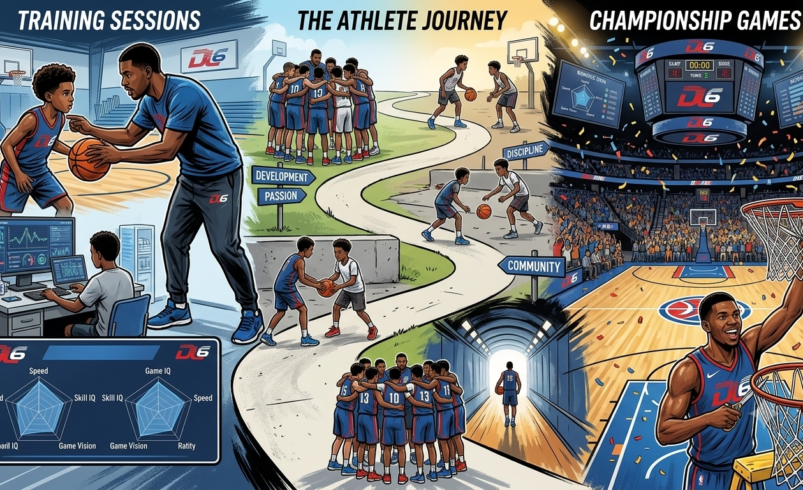

very successful athlete begins with a dream, yet reaching championship level takes much more than natural talent. Progress grows through consistent practice, quality coaching, disciplined routines, and a mindset focused on improvement. Each training session adds another layer of confidence, skill, and resilience. Whether an athlete plays recreationally or competes at higher levels, every experience shapes future performance. Programs associated with Inc basketball often highlight how structured development supports long term athletic success while encouraging teamwork, discipline, and personal growth.
Every Great Journey Begins with Consistent Training
Championship moments rarely happen by chance. Athletes develop strong fundamentals through repeated practice and focused instruction. Every drill strengthens muscle memory, improves coordination, and builds confidence for competitive situations.
Training sessions often emphasize passing, shooting, defensive positioning, agility, and communication. Coaches also encourage athletes to remain patient because steady improvement usually delivers better results than rushing through development.
Building Strong Fundamentals Creates Lasting Success
Every accomplished athlete relies on strong fundamentals regardless of age or competition level. Proper footwork, balance, body control, and decision making remain valuable throughout an athletic career.
Athletes who participate in programs similar to Inc basketball often discover that mastering basic skills creates a solid foundation for advanced techniques. Consistent attention to fundamentals helps players respond confidently during high pressure situations.
Discipline Shapes Athletic Growth
Talent attracts attention, yet discipline sustains progress. Athletes who follow regular practice schedules, listen carefully to coaching feedback, and maintain positive habits usually continue improving throughout every season.
Daily commitment extends beyond scheduled practices. Healthy nutrition, adequate sleep, proper hydration, and physical recovery all support consistent performance. Small habits repeated regularly often produce meaningful improvements over time.
Coaching Provides Direction and Confidence
Experienced coaches guide athletes through every stage of development. Their role extends beyond teaching technical skills because they also encourage confidence, leadership, and resilience.
Constructive feedback allows athletes to recognize strengths while identifying areas requiring additional attention. Programs connected with Inc basketball often emphasize steady progress instead of expecting immediate perfection. This balanced approach supports healthy development and long term motivation.
Learning Through Challenges
Every athlete experiences setbacks during training and competition. Missed shots, difficult opponents, unexpected losses, and personal mistakes create valuable learning opportunities when viewed with the right mindset.
Instead of becoming discouraged, successful athletes analyze performances, accept feedback, and continue working toward improvement. Resilience often separates athletes who continue progressing from those who lose confidence after temporary setbacks.
Teamwork Strengthens Individual Performance
Individual talent contributes to success, yet strong teamwork often decides close competitions. Athletes learn how to communicate clearly, trust teammates, and support shared goals throughout practices and games.
Passing, defensive rotations, encouragement, and accountability all strengthen team chemistry. Every player contributes differently, making mutual respect an essential part of athletic development.
Competitive Games Reveal Real Progress
Practice prepares athletes for competition, while games reveal how effectively those lessons transfer under pressure. Competitive environments challenge decision making, focus, and emotional control.
Every contest provides valuable information for future improvement. Coaches evaluate performance, identify strengths, and adjust training plans based on real game experiences. This continuous learning cycle encourages athletes to improve with every opportunity.
Mental Preparation Matters as Much as Physical Ability
Physical skills receive plenty of attention, yet mental preparation often influences performance just as strongly. Confidence, concentration, patience, and emotional control help athletes remain composed during challenging moments.
Visualization techniques, positive self talk, and realistic goal setting encourage consistent focus before practices and competitions. Athletes who prepare mentally often respond more effectively when games become demanding.
Recovery Supports Continued Improvement
Progress depends on both effort and recovery. Muscles strengthen during rest, making recovery an essential part of every training program.
Stretching, hydration, balanced nutrition, and sufficient sleep help athletes maintain energy while reducing injury risks. Coaches often remind players that recovery deserves equal attention alongside physical training because long term development depends on healthy routines.
Sports Facilities Enhance Athlete Development
Training environments influence both performance and motivation. Well maintained courts, strength training spaces, indoor turf areas, and recovery zones encourage productive practice sessions throughout every season.
Many families also appreciate recreational spaces surrounding athletic facilities. Nearby arcades in Greenville SC often provide enjoyable opportunities for athletes and families to relax after tournaments or extended training days. These experiences strengthen friendships while creating memorable moments beyond competition.
Preparing for Championship Competition
Championship games demand more than physical ability. Athletes need confidence, preparation, and the discipline to stay focused throughout every moment of competition. As important events approach, training usually becomes more intentional. Coaches refine strategies, improve communication, and encourage players to trust skills developed through consistent practice.
Athletes involved in programs like Inc basketball often learn that preparation begins long before game day. Every practice, conditioning session, and team meeting contributes to stronger performances when competition reaches its highest level.
Leadership Develops Throughout the Journey
Leadership does not always belong to the team captain. Every athlete has opportunities to encourage teammates, communicate positively, and demonstrate accountability during practices and games.
Players who arrive prepared, maintain positive attitudes, and support teammates often inspire others without seeking recognition. These leadership qualities strengthen team culture while creating an environment where everyone continues improving together.
Family Support Makes a Meaningful Difference
Parents and family members play an important role throughout an athlete’s development. Their encouragement helps young players remain motivated during both successful seasons and difficult moments.
Support extends beyond attending games. Families who celebrate effort, reinforce healthy habits, and encourage learning instead of perfection often help athletes develop lasting confidence. This balanced approach creates a healthier relationship with competition and personal growth.
Learning From Tournament Experiences
Tournaments expose athletes to different opponents, coaching styles, and levels of competition. Every event introduces new situations that strengthen adaptability and decision making under pressure.
Families often combine tournament weekends with enjoyable local activities. Visiting arcades in Greenville SC after games offers opportunities to relax, celebrate progress, and spend quality time together. These moments help athletes recharge while creating positive memories beyond the scoreboard.
Balancing Sports with Everyday Responsibilities
Athletic success should complement personal growth rather than replace it. Young athletes often balance school, family responsibilities, friendships, and training schedules throughout the year.
Time management becomes an essential skill. Planning ahead, maintaining organized routines, and communicating openly with coaches and teachers support both academic and athletic success. These habits remain valuable well beyond competitive sports.
Setting Goals Encourages Steady Progress
Long term success grows through realistic and measurable goals. Athletes often improve more consistently when they focus on gradual development instead of immediate results.
Goals may include improving free throw accuracy, increasing endurance, strengthening defensive awareness, or becoming a more supportive teammate. Programs connected with Inc basketball frequently encourage athletes to celebrate small achievements because consistent progress often leads to significant improvement over time.
Character Outlasts Every Championship
Winning creates exciting memories, yet character remains the greatest achievement of youth sports. Respect, honesty, perseverance, humility, and responsibility influence every area of life long after competitive seasons end.
Athletes who learn these values during training carry them into classrooms, workplaces, and future leadership opportunities. Every challenge faced during sports contributes to personal growth that extends well beyond the final whistle.
Building Lifelong Healthy Habits
Sports encourage habits that support lifelong wellness. Regular physical activity, healthy nutrition, quality sleep, and consistent discipline create routines that benefit athletes throughout adulthood.
Training also teaches the importance of recovery, patience, and continuous learning. These lessons help individuals approach future goals with confidence while maintaining healthy lifestyles.
The Journey Continues Beyond Every Season
Every season represents another chapter rather than a final destination. Athletes continue developing new skills, building stronger relationships, and discovering fresh opportunities for growth.
Experienced players often mentor younger teammates, creating positive environments where knowledge and encouragement pass from one generation to the next. This cycle strengthens both individuals and the broader sports community.
Conclusion
Every championship begins with a single practice, and every accomplished athlete grows through dedication, patience, and consistent effort. Training sessions build technical skills, while competition develops confidence, resilience, and teamwork. Families, coaches, and supportive environments all contribute to this rewarding journey. Programs associated with Inc basketball reflect how structured development encourages athletes to pursue excellence while growing into confident, respectful, and disciplined individuals. The road from training sessions to championship games never follows a perfect path, yet every step offers valuable lessons that shape success both on and off the court.