

There’s a specific kind of fatigue that comes from fast fashion — not just the waste of it, but the way it quietly trains you to expect clothing to fall apart. A sweater that pills after a month. A shirt that fades unevenly after a handful of washes. Somewhere along the way, “disposable” became the default, and most people stopped questioning it. Maison de Monaco Clothing was built entirely in opposition to that default, and it’s why the brand has become one of the clearest examples of what slow fashion actually looks like when it’s done properly.
This isn’t slow fashion as a marketing label slapped onto an otherwise ordinary collection. It’s slow fashion as an operating principle — one that shapes everything from fabric choice to production volume.
Where the Philosophy Comes From
Maison de Monaco’s roots trace back to the south of France, a region where the rhythm of life has always resisted urgency — long lunches, unhurried evenings, a general disinterest in rushing anything worth doing well. That cultural instinct shaped the brand’s founding philosophy directly: clothing shouldn’t be made quickly, and it certainly shouldn’t be discarded quickly either.
From its earliest days, the brand resisted the seasonal release schedule that dominates most of the fashion industry. Instead of dozens of styles rushed out to keep up with trend cycles, Maison de Monaco focused on a smaller number of pieces, refined slowly and released only when they met the brand’s standards. That patience, uncommon in an industry built on speed, is the foundation everything else is built on.
Craftsmanship That Takes the Time It Needs
Slow fashion only means something if the slowness produces a better result, and here Maison de Monaco delivers. Fabric selection is a deliberately unhurried process — materials are tested over months, not days, to see how they perform after repeated washing and extended wear. Only fabrics that hold their shape, color, and softness over time make it into a collection.
The tailoring process reflects the same patience. Patterns are adjusted across multiple fittings, proportions refined until they work across different body types, seams reinforced exactly where garments are likely to experience stress. It’s the opposite of a rushed production line, and it’s exactly why the final product feels the way it does — considered, rather than assembled.
The Pieces That Prove Slow Fashion Works
Two garments in particular make the case for this philosophy better than any explanation could.
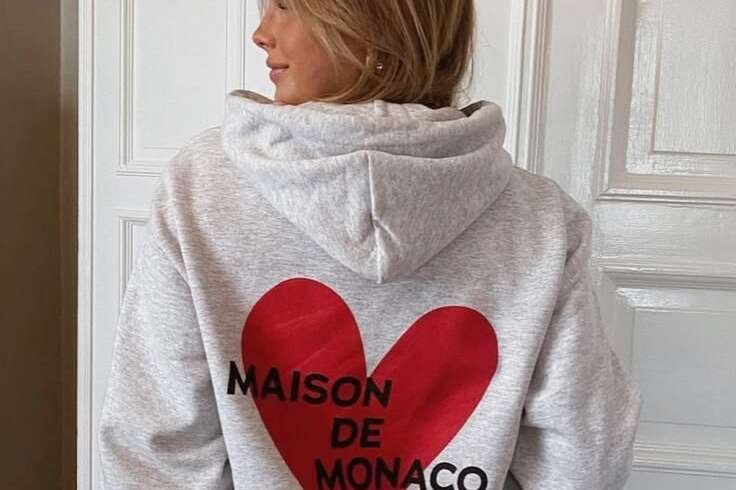
The Sweat Maison de Monaco is built from a heavyweight cotton fleece that was selected specifically for how it ages — softening slightly with wear while holding its structure for years rather than months. The fit itself was refined over multiple seasons, not settled on overnight, which is why the drop-shoulder silhouette feels so deliberately balanced. It’s a sweatshirt built to be worn hundreds of times, not dozens.
The Pull Maison de Monaco follows the same unhurried logic. Its wool-cotton blend was chosen after extensive testing for durability and breathability, resulting in a knit that resists pilling far longer than typical fast-fashion sweaters. Both pieces reflect what slow fashion actually means in practice: not a slower shopping experience, but a longer-lasting one. Together, they show exactly why Maison de Monaco Clothing has become a reference point for people tired of buying the same pieces twice.
Why This Approach Sets It Apart
Most brands, even ones that use sustainable language, still operate on relatively fast production timelines and frequent new releases. Maison de Monaco’s actual behavior — smaller collections, longer development cycles, a refusal to chase trend-driven urgency — reflects a genuinely different set of priorities. The difference isn’t just in what the brand says about itself; it’s in how the business is actually structured.
Slow Fashion as an Ethical Choice, Not Just an Aesthetic One
For Maison de Monaco, sustainability isn’t a separate initiative bolted onto the brand story — it’s the direct result of the slow fashion approach. Smaller, more considered production runs mean less overproduction and less unsold inventory ending up as waste. Durable, natural fabrics mean fewer replacements over time, which reduces the cumulative environmental cost of a wardrobe. Manufacturing partners are chosen for ethical labor practices, evaluated with the same care applied to every other decision the brand makes. It’s slow fashion practiced as a genuine value system, not a talking point.
How Slow Fashion Fits Into a Fast Life
Ironically, slow fashion doesn’t mean the clothing feels precious or high-maintenance in daily life — quite the opposite. Because these pieces are built to last, they become the reliable core of a wardrobe: things you reach for constantly without worrying about wear and tear. In a world that already moves too fast, there’s something genuinely calming about clothing that doesn’t ask you to think about replacing it anytime soon.
The Final Word
Slow fashion, done right, isn’t about resisting modern life — it’s about building a wardrobe that can actually keep up with it, wear after wear, year after year. That’s the standard Maison de Monaco holds itself to, and it’s why the brand has become such a clear answer to fashion’s disposable habits.
If you’re ready to slow down your wardrobe without slowing down your style, explore the Sweat Maison de Monaco, the Pull Maison de Monaco, and the full collection at Maison de Monaco — and discover clothing built to actually last.