

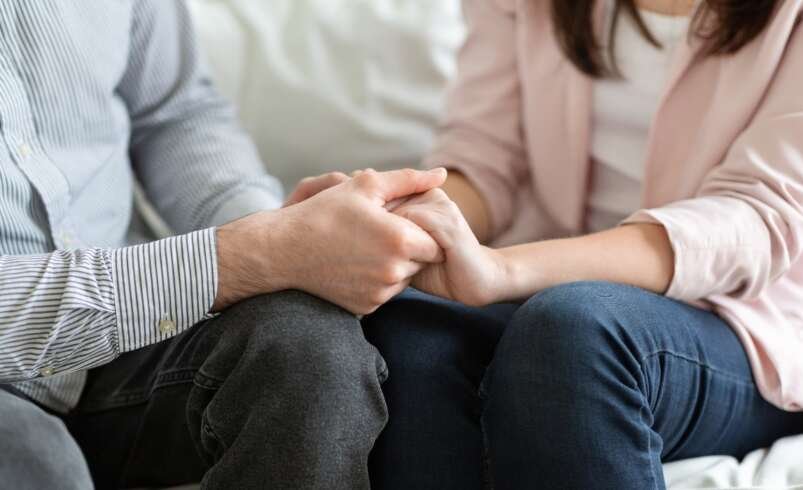

Every relationship has good days and difficult days. Couples may experience disagreements, communication problems, trust concerns, emotional distance, or stress from work and family responsibilities. These challenges can affect even strong relationships when they are not addressed healthily.
Couples therapy gives partners a safe place to talk about their concerns and understand each other better. With professional guidance, couples can learn better ways to communicate, manage disagreements, rebuild trust, and create a stronger connection.
For couples looking for professional support, couples therapy in South Ogden, UT can provide a helpful setting to work through relationship concerns and develop healthier habits together.
What Is Couples Therapy?
Couples therapy is a type of counseling that helps partners work through problems in their relationship. Both people have the opportunity to share their thoughts, feelings, and concerns while learning how their actions may affect the relationship.
A therapist does not simply decide who is right or wrong. Instead, the focus is on understanding the problems between partners and finding healthier ways to deal with them.
Couples may attend therapy because they are facing serious relationship problems, or they may simply want to improve an already healthy relationship.
How Can Couples Therapy Help?
Couples therapy can help in several ways. The benefits often depend on the concerns a couple brings to therapy, but many couples find that professional support helps them understand their relationship from a different point of view.
| Relationship Concern | How Therapy Can Help |
| Communication problems | Helps partners express themselves clearly and listen better |
| Frequent arguments | Helps identify unhealthy conflict patterns |
| Trust issues | Supports open conversations and steps toward rebuilding trust |
| Emotional distance | Helps partners reconnect and understand emotional needs |
| Major life changes | Helps couples adjust and support each other |
| Different expectations | Encourages honest discussion and shared solutions |
1. Better Communication
Good communication is an important part of a healthy relationship. However, talking does not always mean that partners are truly communicating.
Couples may interrupt each other, avoid difficult topics, become defensive, or assume they already know what the other person is thinking. Over time, these habits can create more misunderstandings.
Therapy can help partners learn how to express their feelings without blaming each other. They can also learn how to listen carefully and understand what the other person is trying to say.
Better communication can make everyday conversations easier and help prevent small disagreements from becoming major arguments.
2. Healthier Ways to Handle Arguments
Arguments are normal in relationships. The problem is when disagreements become hurtful, happen very often, or never seem to reach a solution.
Couples therapy can help partners understand what happens during their arguments and identify patterns that keep causing problems.
Some helpful skills couples may learn include:
- Staying calm when discussing difficult subjects.
- Listening before responding.
- Talking about feelings instead of placing blame.
- Finding solutions that consider both partners.
These skills can help couples approach disagreements as a problem they need to solve together instead of treating each other as the problem.
3. Rebuilding Trust
Trust can be damaged by dishonesty, broken promises, emotional distance, financial disagreements, or other relationship problems. Once trust has been affected, rebuilding it can take time.
Therapy gives couples a place to discuss what happened and understand how it affected both partners. They can work together to set realistic expectations and identify actions that can help create trust again.
Rebuilding trust does not happen overnight, but honest communication and consistent actions can help create a stronger foundation.
4. Stronger Emotional Connection
Busy schedules and daily responsibilities can sometimes cause partners to spend less meaningful time together. Over time, they may begin to feel emotionally distant.
Couples therapy can help partners understand each other’s emotional needs and find ways to reconnect. This may include making more time for each other, showing appreciation, communicating openly, or becoming more aware of how each partner feels.
A stronger emotional connection can help both people feel valued, supported, and understood.
5. Understanding Relationship Patterns
Many couples become stuck in the same cycle. One person may become upset and want to discuss the issue immediately, while the other may avoid the conversation. This can cause even more frustration.
Therapy can help couples recognize these repeated patterns. Understanding how each person reacts can make it easier to change unhealthy habits.
Once partners recognize what is happening, they can learn different ways to respond and avoid repeating the same cycle.
6. A Safe Place for Difficult Conversations
Some subjects are difficult to discuss at home. Money, parenting, intimacy, family concerns, future plans, and personal expectations can easily lead to tension.
A therapy session provides a neutral and supportive environment where both partners can speak openly. A therapist can help guide the conversation and keep it focused when emotions become strong.
This can make difficult discussions feel more manageable and productive.
7. Support During Major Life Changes
Major changes can put extra pressure on a relationship. Moving, having a child, changing jobs, financial stress, or new family responsibilities can change how partners spend their time and communicate.
Therapy can help couples adjust to these changes together. Partners can discuss their concerns, understand each other’s needs, and find better ways to share responsibilities.
Working through changes as a team can help prevent outside stress from creating lasting problems in the relationship.
8. Better Problem-Solving Skills
Couples may have different opinions about money, household duties, family matters, personal time, or plans. Having different opinions is normal, but problems can grow when couples cannot discuss them calmly.
Therapy can teach partners how to focus on the actual issue instead of bringing up old arguments. They can learn to consider each other’s point of view and work toward solutions that respect both people.
The goal is not to agree on everything. It is to learn how to handle differences in a respectful way.
When Should Couples Consider Therapy?
There is no specific point when every couple should start therapy. Some couples seek help after a serious problem, while others attend sessions to improve their relationship before problems become bigger.
Therapy may be useful when couples are dealing with:
- Frequent or ongoing arguments.
- Communication problems that are difficult to solve.
- Loss of emotional connection.
- Trust concerns.
- Major changes or stress within the relationship.
- Problems that continue despite repeated attempts to resolve them.
Seeking therapy does not mean that a relationship has failed. It can show that both partners are willing to work on their relationship and make positive changes.
What Happens During Couples Therapy?
The therapy process can be different for every couple. During early sessions, the therapist may learn about the relationship, understand the main concerns, and discuss what both partners hope to achieve.
Later sessions may focus on communication, conflict, trust, emotional needs, or other concerns. Couples may also practice new ways of talking and listening during sessions and use these skills at home.
Progress can take time, especially when problems have existed for a long period. Patience, honesty, and regular effort can help couples make meaningful changes.
Can Couples Therapy Help a Healthy Relationship?
Couples therapy is not only for relationships in crisis. Partners who already have a good relationship may also use therapy to improve communication and understand each other better.
Therapy can help couples prepare for future challenges and develop healthy habits before serious problems appear. Learning how to communicate openly and handle disagreements respectfully can benefit a relationship for years.
Overview
Relationships require communication, understanding, patience, and effort from both partners. Problems are a normal part of life, but couples do not have to face every challenge alone.
Couples therapy can help partners communicate more openly, manage disagreements, rebuild trust, reconnect emotionally, and develop healthier ways of dealing with problems.
Whether a relationship is facing ongoing difficulties or simply needs some extra support, therapy can be a positive step toward a stronger partnership. Couples therapy in South Ogden, Ut can give partners a supportive place to work through concerns and build healthier relationship habits for the future.
Frequently Asked Questions
1. Is couples therapy only for relationships with serious problems?
No. Couples therapy can help with serious relationship concerns, but couples can also attend sessions to improve communication, strengthen their emotional connection, prepare for major life changes, or learn healthier ways to handle disagreements before they become larger problems.
2. How long does couples therapy take?
The length of couples therapy depends on the concerns being addressed, the goals of both partners, and their progress. Some couples may notice improvements within several sessions, while others may need longer support for more complex relationship challenges.
3. Can couples therapy help with communication problems?
Yes. Couples therapy can help partners understand how they communicate and identify habits that create misunderstandings. A therapist can teach couples how to express feelings clearly, listen carefully, avoid blame, and discuss difficult subjects in a more respectful way.
4. Do both partners need to attend therapy?
Ideally, both partners participate because couples therapy focuses on the relationship between two people. However, individual circumstances can vary. A therapist can discuss available options and help determine the most suitable approach based on the couple’s situation and needs.
5. Is seeking couples therapy a sign of relationship failure?
No. Seeking therapy can show that both partners care about improving their relationship. Professional guidance can give couples useful communication and problem-solving skills, helping them understand each other better and work through concerns in a supportive environment.