

The best eczema treatment combines consistent skin barrier repair, targeted moisture retention, and inflammation control. Emollients applied twice daily, gentle fragrance-free cleansers, and avoiding known triggers form the foundation of care. For moderate to severe cases, professional treatments such as topical therapies or advanced clinical procedures can significantly reduce flare frequency and improve long-term skin comfort.
Eczema — clinically known as atopic dermatitis — is one of the most persistent skin conditions affecting Malaysians across all age groups. If you have been dealing with relentless itching, skin that cracks at the joints, or patches that refuse to clear up with over-the-counter creams, you are not alone. Finding the right best eczema treatment takes more than picking up a random moisturiser. It requires understanding what is driving your symptoms and addressing it from multiple angles.
What Is Eczema and Why Does It Keep Coming Back?
Eczema is a chronic inflammatory skin condition where the skin barrier is compromised, allowing moisture to escape and irritants to enter. This cycle of dryness, inflammation, and itching is self-reinforcing — scratching damages the skin further, which triggers more inflammation.
In Malaysia, the warm and humid climate adds a layer of complexity. Sweat, dust mites, and environmental allergens are among the most common triggers locally. According to the Malaysian Society of Allergy and Immunology, atopic diseases including eczema are rising steadily in Malaysia, particularly in urban populations exposed to higher allergen loads.
Core Daily Habits That Support Eczema Management
Before exploring professional treatments, the daily routine matters enormously. Many people underestimate how much consistent skincare habits affect flare-up frequency.
Moisturising the Right Way
Apply a fragrance-free emollient within three minutes of bathing to lock in moisture while the skin is still slightly damp. Thick creams and ointments outperform lotions for eczema-prone skin because they create a more effective occlusive barrier. Look for ingredients like ceramides, colloidal oatmeal, and glycerin.
Choosing Gentle Cleansers
Harsh soaps strip the skin’s natural oils and worsen the barrier damage that defines eczema. Use pH-balanced, soap-free cleansers that are specifically formulated for sensitive or compromised skin. Avoid hot showers — lukewarm water is always the safer option.
Identifying and Avoiding Triggers
Common eczema triggers in Malaysia include:
- Dust mites in bedding and carpets
- Synthetic fabrics that trap heat and sweat
- Fragranced personal care products
- Certain food allergens such as shellfish, eggs, and dairy
- Stress and hormonal fluctuations
Keeping a symptom diary for two to four weeks can help you identify patterns that are specific to your lifestyle.
Professional Eczema Treatment Options Worth Knowing
When daily care alone is not enough, professional interventions can provide meaningful relief — particularly for chronic or moderate-to-severe cases.
Non-Steroid Eczema Care: Why It Matters
Long-term steroid use raises legitimate concerns, including skin thinning, rebound flares, and topical steroid withdrawal. Non-steroid eczema care has become an increasingly important part of modern eczema management for patients who need ongoing treatment without those side effects.
Non-steroidal options include calcineurin inhibitors (such as tacrolimus and pimecrolimus), barrier-repair formulations, and advanced clinical treatments that support skin regeneration rather than simply suppressing immune response. These are particularly suitable for sensitive areas like the face, eyelids, and skin folds.
Phototherapy
Narrowband UVB phototherapy is a clinically recognised treatment for moderate-to-severe eczema. It works by reducing inflammation in the skin using controlled light exposure. Sessions are typically conducted two to three times weekly over several months. This is often recommended when topical treatments have not provided sufficient control.
Duo Hydrogen Treatment
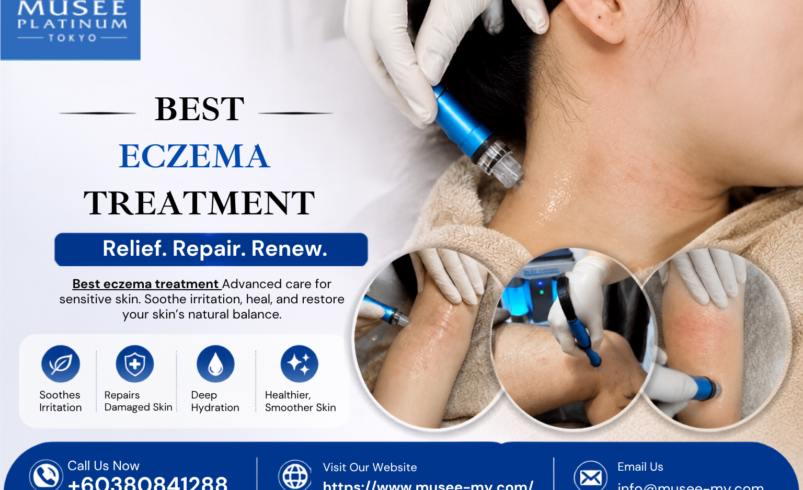
One advanced option gaining attention in Malaysia is the Duo Hydrogen Treatment. This approach utilises hydrogen-infused technology to reduce oxidative stress in the skin — a key driver of chronic skin inflammation. By targeting free radicals at the cellular level, it supports the skin’s natural healing processes without aggression. It is especially relevant for individuals seeking non-invasive, non-steroid eczema care that works alongside their existing routine.
Wet Wrap Therapy
Often used for acute flares, wet wrap therapy involves applying a medicated or plain emollient to the skin and covering it with damp bandages. This technique is particularly effective for children but is also used in adults with severe, widespread eczema. It should be carried out under professional guidance to avoid complications.
Eczema Treatment in Malaysia: What to Expect from a Skin Clinic
Seeking professional eczema treatment in Malaysia means working with a skin specialist who will assess your skin type, trigger history, and lifestyle before recommending a protocol. A good consultation will cover:
- Severity grading using tools like the EASI (Eczema Area and Severity Index) score
- Patch testing to identify contact allergens
- Personalised treatment plans that may combine topical, procedural, and lifestyle approaches
- Follow-up scheduling to assess treatment response
Avoid clinics that take a one-size-fits-all approach. Eczema management is highly individual, and what works for one person may not work for another.
Comparison: Treatment Approaches at a Glance
| Treatment Type | Best For | Steroid-Free | Professional Required
|
|---|---|---|---|
| Daily Emollients | All eczema types, daily maintenance | Yes | No |
| Topical Calcineurin Inhibitors | Face, folds, long-term use | Yes | Prescription needed |
| Narrowband UVB Phototherapy | Moderate to severe eczema | Yes | Yes |
| Duo Hydrogen Treatment | Oxidative stress, chronic inflammation | Yes | Yes |
| Wet Wrap Therapy | Acute flares, children and adults | Depends | Recommended |
When Should You See a Professional?
You should seek professional advice if:
- Your eczema has not responded to over-the-counter products after four weeks
- Flares are disrupting sleep or daily activities
- The skin shows signs of infection — oozing, yellow crusting, or spreading redness
- You are relying on steroid creams more than twice a week regularly
Early professional guidance helps prevent the condition from becoming harder to manage and reduces the risk of long-term skin damage.
If you are looking for a structured, skin-science approach to eczema relief in Malaysia, Musée offers a range of professional skin treatments designed around your skin’s specific needs — from non-invasive procedures to personalised care plans that go beyond surface-level solutions.
Frequently Asked Questions
What is the most effective daily habit for managing eczema?
Applying a fragrance-free emollient within three minutes of bathing is the single most impactful daily habit. It seals in moisture before the skin dries out, reducing the frequency and severity of flares over time.
Is non-steroid eczema care as effective as steroid-based treatment?
For many patients, non-steroid eczema care is equally effective and safer for long-term use. Options like calcineurin inhibitors and advanced clinical treatments manage inflammation without the side effects associated with prolonged steroid use.
What triggers eczema flares most commonly in Malaysia?
In Malaysia, dust mites, heat-induced sweat, synthetic fabrics, and fragranced products are among the most common triggers. Urban environments with higher allergen exposure also contribute to increased flare frequency in local populations.
What is Duo Hydrogen Treatment and how does it help eczema?
Duo Hydrogen Treatment uses hydrogen technology to neutralise oxidative stress in the skin, which is a key driver of chronic inflammation. It supports skin repair at a cellular level and is a non-invasive, steroid-free option suitable for sensitive and eczema-prone skin.
How do I know if my eczema needs professional treatment?
If your skin has not improved after four weeks of home care, is disrupting sleep, shows signs of infection, or requires frequent steroid cream use, it is time to consult a skin professional for a personalised treatment assessment.
Can eczema be permanently cured?
There is currently no permanent cure for eczema, but it can be effectively managed. With the right combination of daily care, trigger avoidance, and professional treatment, many patients experience long periods of remission with minimal flares.