
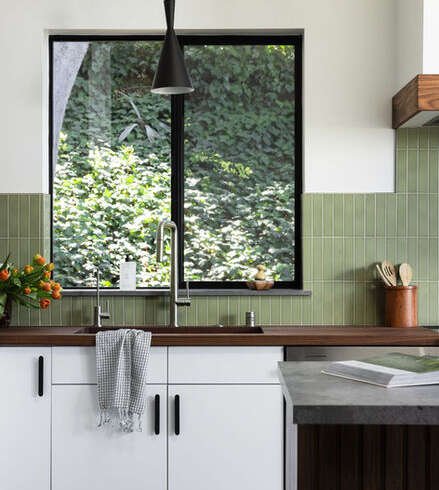

Accessory Dwelling Units (ADUs) have become a popular solution for homeowners who want to add useful living space without moving to a larger property. An ADU can provide a private residence for family members, a comfortable guest suite, a home office, or an additional rental unit. Because these spaces can serve different purposes over time, they offer both lifestyle flexibility and long-term value for homeowners.
Why Choosing Experienced Local ADU Builders Matters
Working with experienced Local ADU Builders can make the entire construction process more organized and efficient. Local professionals understand the building requirements, zoning considerations, permitting procedures, and construction expectations that apply in the communities they serve. This knowledge can help homeowners avoid common planning mistakes and prepare a project that is practical, attractive, and compliant with applicable regulations.
Local builders also provide the advantage of being familiar with area properties and construction conditions. They can evaluate the available space, consider the relationship between the existing home and proposed ADU, and recommend solutions that fit the property. From the initial consultation to final construction, their experience helps homeowners make informed decisions at every stage.
Customized ADU Design for Different Needs
Every homeowner has different goals for an ADU, so a customized approach is important. Some homeowners need a compact studio for rental use, while others want a larger one- or two-bedroom unit for parents, adult children, or guests. A custom design allows the floor plan to be developed around the homeowner’s priorities rather than forcing the property into a standard layout.
Designers can plan efficient kitchens, comfortable living areas, private bedrooms, modern bathrooms, practical storage, and flexible spaces. Exterior elements can also be selected to complement the architectural style of the primary home. This creates a cohesive appearance while ensuring the ADU is comfortable and useful.
Understanding the ADU Planning Process
A successful ADU project begins with thorough planning. Before construction starts, professionals evaluate the property and consider important factors such as lot dimensions, existing structures, utility locations, access, and local requirements.
The design process may include site measurements, architectural drawings, floor plans, exterior elevations, structural coordination, and construction documentation. Careful preparation helps ensure that builders have accurate information before work begins.
Good planning also makes it easier to establish realistic expectations for the project. Homeowners can make decisions about layouts, materials, finishes, and features before construction, reducing the possibility of expensive changes later.
Permitting and Code Compliance
Permitting is an essential part of an ADU project. Building departments review plans to verify that proposed construction meets applicable safety, zoning, and building standards. The process can involve architectural documents, structural information, utility details, and other supporting materials.
Experienced local professionals can help prepare and organize these documents and communicate with the appropriate departments during the review process. They can also help address plan comments or revisions if they are requested. Proper permitting provides greater confidence that the finished ADU is legally constructed and ready for future use.
Quality Construction and Craftsmanship
The quality of an ADU depends heavily on the materials and workmanship used during construction. A professional construction team focuses on structural integrity, weather protection, energy efficiency, and durable interior finishes.
Quality work includes careful framing, roofing, insulation, windows, electrical systems, plumbing, flooring, cabinetry, and finishing details. Attention to these components helps create an ADU that is comfortable for occupants and durable for the long term.
A well-constructed ADU also requires less maintenance and can provide greater satisfaction for homeowners over the years.
Energy-Efficient Features for Modern ADUs
Energy efficiency is an important consideration when designing and constructing a modern ADU. Proper insulation, efficient windows, LED lighting, smart thermostats, and high-efficiency heating and cooling systems can improve comfort while helping reduce energy consumption.
Homeowners may also choose efficient appliances and water-saving fixtures to support lower operating costs. When these features are incorporated during the design stage, they can contribute to a more comfortable and sustainable living environment.
Energy-efficient improvements can also make an ADU more attractive to future occupants and potential buyers.
How an ADU Can Add Property Value
An ADU can increase the functionality of a property while creating new possibilities for the homeowner. A well-designed unit can provide housing for relatives, accommodate guests, or serve as a dedicated workspace. In areas where local regulations allow, it may also provide an opportunity for rental income.
The flexibility of an ADU can make a property more appealing to future buyers. A home that includes a professionally designed and properly constructed secondary living space may stand out because it offers options that a traditional property does not.
For homeowners planning to stay in their property for many years, the added space can also improve everyday convenience and adaptability.
Choosing the Right ADU Builder
Selecting an ADU builder should involve more than comparing project prices. Homeowners should look for relevant experience, strong communication, quality workmanship, transparent project planning, and familiarity with local construction requirements.
A dependable builder should be able to explain the project process clearly, provide realistic expectations, coordinate necessary professionals, and keep the homeowner informed as the project progresses. Reviewing previous work and asking detailed questions about design, permitting, construction, and project management can help homeowners make a confident decision.
The right builder can turn a complicated construction project into a more organized and manageable experience.
Conclusion
Building an ADU is a significant investment that requires thoughtful design, careful planning, proper permitting, and quality construction. Working with experienced Local ADU Builders can help homeowners create a comfortable and functional space that supports their current needs while providing flexibility for the future. Whether the goal is additional family housing, a guest suite, a home office, or a potential rental unit, professional guidance can make every stage of the project more efficient. Homeowners interested in reliable ADU design, planning, and construction solutions can explore the expertise and resources available through toadubuilders to take the next step toward creating a high-quality accessory dwelling unit.
Frequently Asked Questions
1. What do Local ADU Builders provide?
Local ADU Builders can assist with planning, design coordination, permitting, construction, and project management for accessory dwelling unit projects.
2. Why should I choose a local ADU builder?
Local builders are familiar with the area’s construction environment and permitting processes, which can make project planning and coordination easier.
3. What types of ADUs can be built?
Depending on the property and applicable regulations, homeowners may consider detached ADUs, attached ADUs, garage conversions, and other custom accessory dwelling unit designs.
4. Can an ADU increase property value?
A professionally designed and constructed ADU can improve a property’s functionality and may increase its appeal and value, depending on market conditions and the quality of the project.
5. Do ADUs require permits?
Most ADU projects require applicable permits and inspections. The specific requirements depend on the property’s location, project design, and local regulations.