

Understanding What Lab-Grown Diamonds Really Are
Lab-grown diamonds have become an important option for people who want a diamond with established quality characteristics while having more flexibility when choosing a center stone. Unlike diamond simulants, lab-grown diamonds are real diamonds with the same basic crystal structure and chemical composition as diamonds formed naturally beneath the earth. The primary difference is their origin and the process used to create them.
For buyers, this distinction matters because choosing a lab-grown diamond should still involve the same careful attention given to any other diamond purchase. Factors such as cut, color, clarity, carat weight, proportions, and certification can influence the appearance and overall value of the stone.
The first step is to understand what you are actually buying. A diamond’s carat weight tells you how much it weighs, but it does not automatically determine how large or attractive it appears. Two diamonds with the same carat weight can look noticeably different because of their measurements and cutting proportions.
Cut is especially important. A well-cut stone can interact with light more effectively, creating a balanced appearance across the facets. When comparing stones online, buyers should look beyond carat weight and pay attention to measurements, proportions, photographs, and available grading information.
Color and clarity should also be considered according to personal priorities. Some buyers prefer a very high clarity grade, while others may find that a slightly lower grade offers a better balance between appearance and budget. The same principle applies to color. Depending on the diamond’s shape and metal setting, small differences in color may be more or less noticeable.
Choosing the Right Shape and Proportions
The shape of a diamond has a major effect on the overall appearance of a piece of jewelry. Round, oval, pear, emerald, radiant, and cushion shapes each create a different visual impression. Buyers should consider both personal taste and how the shape works with the intended setting.
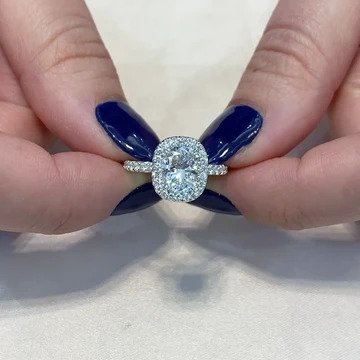
Cushion-shaped diamonds are particularly interesting because they combine a soft outline with substantial visual presence. An elongated version creates a longer silhouette than a traditional cushion shape. This proportion can make the center stone appear more stretched vertically while retaining the gently rounded corners associated with cushion cuts.
When selecting an elongated cushion stone, proportions deserve close attention. Length-to-width ratio can affect whether the diamond appears noticeably elongated or closer to a square cushion. There is no single ratio that is right for everyone. Some buyers prefer a more slender outline, while others want a moderate elongation that retains more of the traditional cushion appearance.
Measurements are therefore useful when comparing diamonds. A stone may have a particular carat weight, but its length and width determine how that weight is distributed visually. Looking at measurements alongside photographs gives buyers a better idea of what the finished piece may look like.
The facet pattern should also be considered. Cushion diamonds can have different faceting arrangements, and these can influence the way the stone handles light. Rather than relying only on a grading number, buyers should examine clear images or videos whenever possible.
The setting is another part of the decision. Prongs, halos, bands, metal color, and side stones can all change the appearance of the center diamond. A well-planned setting should complement the stone without competing with its proportions.
What to Check Before Buying
Once a buyer has selected a preferred shape, the next step is comparing the individual diamonds. This is where careful research can prevent disappointment.
Start with certification or grading documentation when available. A grading report provides important information about the diamond’s characteristics and can help buyers compare different stones more objectively. Look at the listed carat weight, measurements, color, clarity, cut information where applicable, and any additional notes on the report.
Next, examine the actual appearance of the diamond. A grading report is useful, but it cannot completely replace seeing the stone. Look for photographs taken from multiple angles and, when available, videos that show the diamond moving under light.
Pay attention to clarity characteristics as well. A clarity grade describes the presence of internal inclusions and external blemishes, but their location and visibility can vary. Two stones with the same clarity grade may not look identical to the naked eye.
Budget should be approached in the same practical way. Instead of deciding on carat weight first and trying to fit everything else around it, buyers can establish a total budget and then decide which characteristics matter most. For some people, shape and face-up size may be priorities. Others may care more about color, clarity, or a particular setting.
Metal choice should not be overlooked. White, yellow, and rose-toned metals can create different visual effects around a diamond. The choice can also influence how the overall piece coordinates with other jewelry.
For buyers considering an elongated cushion shape, the setting should provide suitable support while allowing the center stone to remain the focal point. Those comparing different styles can browse the elongated cushion engagment ring options that match their preferred proportions and setting details.
Another practical consideration is how the jewelry will be worn. A piece intended for everyday use may need a setting designed with security and comfort in mind. Buyers should consider the height of the center stone, the structure of the prongs, the width of the band, and whether the design will work comfortably with other jewelry.
Making a Confident Choice Without Overcomplicating It
Diamond shopping can become confusing when buyers focus on too many specifications at once. A better approach is to identify the characteristics that matter most and compare options based on those priorities.
For example, someone who wants a larger-looking center stone may focus on face-up measurements and shape. Another buyer may prioritize a particular color grade or clarity level. Someone purchasing jewelry for frequent wear may place greater importance on the security and practicality of the setting.
It is also useful to distinguish between technical specifications and visual preferences. A higher grade does not necessarily mean that one diamond will look dramatically better than another to the person wearing it. The goal is to find a combination that provides the desired appearance while making sensible use of the available budget.
Buyers should also be cautious about choosing a diamond based only on a single specification. Carat weight alone does not tell the complete story. Likewise, a high clarity grade does not automatically guarantee that a stone will have the proportions or visual character a buyer prefers.
Comparing several options side by side can make differences easier to understand. Look at their measurements, photographs, grading information, and setting designs together. This approach can help buyers identify which features genuinely affect their decision and which details are less important to them.
The source of the diamond is another factor worth understanding. Lab-grown diamonds are produced using controlled technological processes rather than being extracted from geological deposits. Buyers who choose them should still evaluate the stone based on quality, documentation, craftsmanship, and the reputation of the seller.
Customer service also matters, particularly when purchasing jewelry online. Before placing an order, review information about sizing, returns, warranties, shipping, maintenance, and customization. Clear policies can make the purchasing process easier and provide greater confidence if adjustments are needed later.
Why the Setting Matters as Much as the Center Stone
A diamond does not exist separately from the jewelry design. The setting determines how the center stone is held, how much of it is visible, and how the overall piece looks when worn.
An elongated cushion center can work with several design approaches. A simple setting can keep attention on the shape of the stone, while additional side details can create a more decorative appearance. The right choice depends on whether the buyer wants the center diamond to dominate the design or prefers a more detailed composition.
Prong placement is particularly important because it balances visibility and security. The prongs should hold the stone firmly while being proportionate to the overall design. Buyers should also consider whether the setting has edges or details that could catch on clothing during regular use.
Band width can influence the visual balance of the jewelry as well. A very delicate band may make the center stone appear more prominent, while a wider band can give the design a stronger presence. Neither approach is universally better; it depends on the proportions and the wearer’s preference.
The height of the setting is another practical consideration. A higher setting can provide more visual separation between the center stone and the finger, but a lower profile may be more convenient for someone who frequently works with their hands.
These details are worth considering before purchasing because changing the setting later can be more complicated than selecting the right design from the beginning.
Conclusion
Choosing a lab-grown diamond is ultimately about finding the right balance between diamond quality, personal style, budget, and everyday practicality. Understanding the differences between carat weight, measurements, cut, color, clarity, and shape gives buyers a stronger foundation for making an informed decision.
Elongated cushion designs can be especially appealing to buyers who want the soft corners of a cushion shape with a longer outline. However, proportions, setting structure, certification, and overall craftsmanship should all be considered before making a purchase.
Antiquecut offers designs that allow buyers to consider these details together when selecting a piece that fits their preferences. Taking time to compare the diamond itself with the setting and intended use can make the buying process clearer and lead to a choice that feels right for years to come.