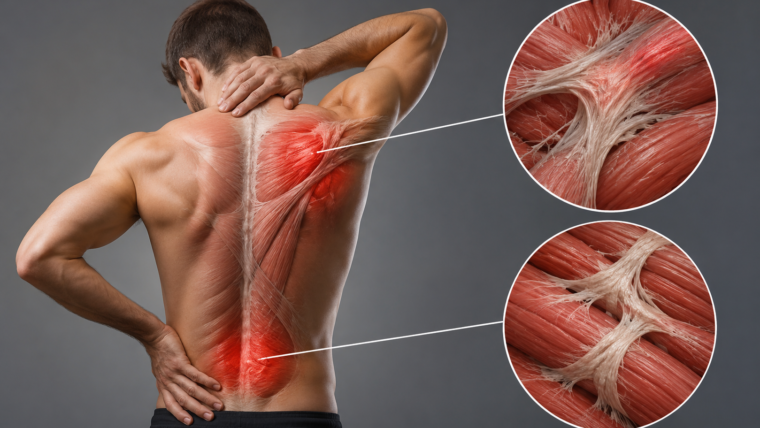

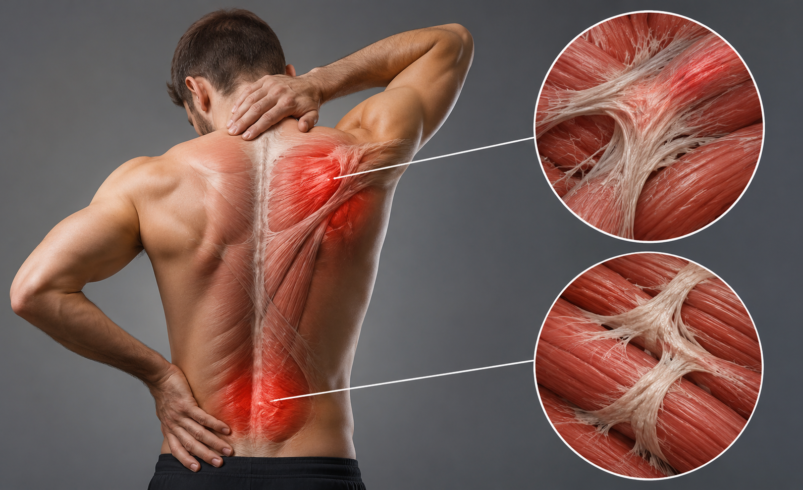

Muscle Adhesions can make everyday movement feel harder than it should. They may cause tightness, stiffness, tenderness, or pain in certain areas of the body. You may notice discomfort when stretching, exercising, bending, walking, or even sitting for a long time. These problems can make simple daily activities feel uncomfortable and may affect how you move.
Muscle Adhesions can develop when soft tissues become tight or less flexible, often after an injury, repeated physical stress, surgery, or long periods of limited movement. When tissues do not move freely, nearby muscles may have to work harder to help the body move. Over time, this can affect flexibility, posture, muscle function, and overall comfort.
What Are Muscle Adhesions?
Muscle Adhesions are areas where soft tissue becomes tight or less able to move freely. Muscles, fascia, and other connective tissues normally need to glide and stretch as you move. When an area becomes restricted, normal movement can become more difficult.
Adhesions may form as part of the body’s healing process after tissue damage. They can also develop when an area is exposed to repeated stress or does not move enough.
They can affect many parts of the body, including:
- Neck and shoulders
- Upper and lower back
- Hips
- Arms
- Legs
- Areas affected by previous injuries or surgery
The symptoms can vary depending on where the restriction is located and how much it affects movement.
What Causes Muscle Adhesions?
Several factors may play a role in the development of Muscle Adhesions. An injury is one common cause. When muscles or other soft tissues are damaged, the body begins a repair process. During healing, scar tissue may form around the affected area.
Repeated movements can also place stress on the same muscles and tissues. This can happen during sports, exercise, physical work, or other activities that require the same movement again and again.
Other possible causes include:
- Muscle strains
- Sports injuries
- Previous surgery
- Poor posture
- Long periods of sitting
- Limited physical activity
- Repeated stress on the same area
- Not allowing enough time for recovery after exercise
Not everyone who experiences these factors will develop adhesions or related pain. Symptoms can have many possible causes.
How Muscle Adhesions Can Limit Movement
One of the main problems caused by Muscle Adhesions is reduced movement.
Healthy muscles and soft tissues should be able to stretch, contract, and move smoothly. When tissue becomes tight or restricted, it may not move through its normal range.
For example, a restriction around the shoulder may make it harder to reach overhead or reach behind your back. A restriction around the hip may make walking, squatting, or getting out of a chair less comfortable.
When one area cannot move properly, other muscles may have to take over some of the work. This can place extra stress on those muscles and may lead to more tightness.
Why Muscle Adhesions May Cause Pain
Muscle Adhesions may contribute to pain by making normal movement more difficult. Tight or restricted tissue can create extra tension around the affected area.
When a muscle cannot move normally, nearby muscles may work harder to keep the body moving. This extra work can lead to muscle fatigue, soreness, and discomfort.
Pain or discomfort may be noticed:
- During certain movements
- While stretching
- After exercise
- After sitting for a long time
- When pressure is placed on a sensitive area
- Along with general muscle stiffness
The location and type of pain can be different for each person. Because many conditions can cause muscle pain, an assessment is important when symptoms continue.
Muscle Adhesions and Flexibility
Flexibility depends on the ability of muscles and soft tissues to stretch and move comfortably. When an area becomes restricted, you may notice that you cannot stretch as far as you normally could.
You may also notice a difference between the two sides of your body. For example, one shoulder may feel tighter than the other, or one hip may feel less comfortable during a stretch.
When movement feels painful, people often avoid that movement. However, avoiding movement for long periods can sometimes lead to more stiffness and reduced mobility.
Gentle and regular movement can help support normal flexibility and overall muscle function.
How They Can Affect Your Posture
Muscle tightness can also change the way you hold your body. If one area feels restricted or painful, you may naturally change your position to avoid discomfort.
For example, tight muscles around the chest and shoulders may affect how you hold your shoulders. Restrictions around the hips or back may change the way you stand, walk, or sit.
These changes can cause other muscles to work differently. As a result, an area that was not originally painful may eventually become tight or uncomfortable.
This is why looking at overall movement can be helpful instead of focusing only on the area where pain is felt.
The Link Between Adhesions and Muscle Imbalances
Your muscles work together to help you move, maintain balance, and support your body. When one area becomes restricted, other muscles may need to work harder.
For example, if one hip has limited movement, nearby muscles may change how they work when you walk or exercise. Over time, this may lead to uneven muscle use.
Muscle imbalances can affect:
- Strength
- Balance
- Flexibility
- Coordination
- Exercise performance
- Everyday movement
Improving movement in the restricted area and strengthening the muscles that need support may help encourage better movement patterns.
Common Signs of Muscle Adhesions
Muscle Adhesions may not always cause noticeable symptoms. However, some people may experience several signs that affect movement and comfort.
Common signs can include:
- Ongoing muscle tightness
- Stiffness
- Reduced range of motion
- Pain during certain movements
- Tender areas in a muscle
- Difficulty stretching
- Repeated discomfort in the same area
- One side of the body feeling tighter than the other
These symptoms can also be linked to other muscle, joint, or soft tissue problems. A healthcare professional can help determine the likely cause.
How Muscle Adhesions May Be Treated
Treatment depends on the cause of the problem, the location of the restriction, and the person’s overall condition.
A healthcare professional may look at your posture, movement, flexibility, and muscle function. Based on the assessment, treatment may include stretching, mobility exercises, strengthening exercises, or hands-on soft tissue techniques.
The goal is to help the affected area move more comfortably and address factors that may be contributing to the problem.
It is important not to use aggressive techniques on an area that has recently been injured or is causing significant pain. Professional guidance can help you choose an approach that is appropriate for your situation.
Ways to Support Healthy Movement
Regular movement can help reduce stiffness and support healthy muscle function. This is especially important if you spend many hours sitting or working in one position.
Simple habits can include:
- Taking regular movement breaks
- Walking throughout the day
- Doing gentle mobility exercises
- Stretching within a comfortable range
- Building strength gradually
- Maintaining good posture
- Increasing exercise slowly
- Giving your body enough time to recover
The goal is not to push through pain. Instead, focus on steady, comfortable movement and pay attention to changes in your body.
When Should You Get Professional Help?
Mild muscle tightness after exercise is common. However, ongoing pain or restricted movement should not be ignored.
Consider getting professional advice if your symptoms continue, keep returning, become worse, or interfere with work, exercise, sleep, or daily activities.
A proper assessment can help determine whether Muscle Adhesions may be contributing to your symptoms or whether another issue may be responsible.
Final Thoughts
Muscle Adhesions can affect the way your muscles and soft tissues move. When an area becomes tight or restricted, it may lead to stiffness, reduced flexibility, changes in movement, and discomfort. The body may also rely on nearby muscles to work harder, which can create additional stress over time.
Taking care of your movement through regular activity, appropriate stretching, strength exercises, and proper recovery can help support healthy muscle function. If pain or limited movement continues, professional assessment can help identify the possible cause and guide you toward suitable care.
For people looking for professional support with movement and soft tissue concerns, SF Custom Chiropractic offers chiropractic care and services such as Active Release Technique, medical massage, functional movement screening, and IASTM that focus on movement, soft tissue care, and overall physical function.