

New to French crop haircuts? Start with a proper consultation. Bring 2–3 reference photos of your ideal fringe and top length. Share your face shape and hair type. Confirm the fade height, neckline, and sideburns with your barber. Ask about matte paste for daily styling, and you can visit us at https://apexhaircuts.com/ for more grooming tips.
What Are French Crop Haircuts
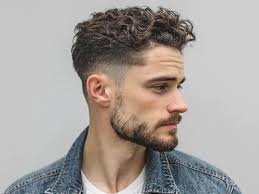
A French crop is a short, low-effort haircut. It has short back and sides with a longer top. The style began in 1920s France. The look borrows from a military-inspired style. Clean sharp lines create a sleek aesthetic. The cut highlights the jawline and cheekbones. It works well with straight hair, wavy hair, or curly hair. It suits both a men’s hairstyle and a women’s hairstyle. This timeless classic remains a versatile hairstyle with real elegance.
Before Your Appointment: Prep Checklist
Start your pre-appointment prep the night before your cut. Wash hair 24 hours before your visit, not same-day. This keeps natural oils protecting your scalp. Skip styling product buildup and any new untested products. Avoid buns and braids that hide your natural everyday style. Note any cowlicks or growth pattern for your stylist. Arrive 5 to 10 minutes early and dress smart. Avoid high collars that get bunched under the cape. Bring inspiration photos that show your real hair goals. Confirm your service pricing and tipping etiquette ahead of time.
Find a Reference Photo First
Bring a reference photo before your French crop appointment. A photo works like a blueprint for your barber. It removes ambiguity around length and texture on top. Choose a realistic photo with similar hair texture to yours. Avoid heavily edited celebrity shots. Check a barber portfolio for real results. Save screenshots from multiple angles. This visual reference stops guesswork and vague descriptions instantly.
Minimum Length You Will Need
Your French crop needs at least 1.5 inches on top. This gives enough top length to shape the fringe. Ask your barber to use a guard length between #1 and #3 on the sides. Less minimum length limits texture and movement. Point-cutting works best with slightly longer hair. Shorter hair may skip the crop’s signature forward fringe entirely, so for more French crop style ideas, check our guide at https://apexhaircuts.com/french-crop-haircut/.
How to Describe What You Want
Avoid vague words like short or clean. Use clear communication with exact terms instead. Say taper, skin fade, or undercut by name. Give exact length in inches on top. Point to mid-ear, top of the ear, or bottom of the ear. Bring visual references from multiple angles. Photos alone cut miscommunication by nearly 80 percent. Ask your barber to log a reproducible baseline. Keep previous haircut notes for every future visit. State a grade 2 fade or similar hair grade.
Words to Use With Your Barber
Use clear words like skin fade or taper fade for the sides. Say blend so the sides meet the top smoothly. Ask for clipper over comb for a soft finish. Mention scissor over comb if you want more control. Say square neckline or rounded neckline for the back. Try shape up to sharpen the edges. Saying leave it natural keeps the fringe soft. Clear barber lingo avoids confusion and gets better results.
Choosing Your Fade Type
Picking the right fade depends on style and upkeep. A low fade suits a professional setting best. A mid fade flatters round face and oval face types. A high fade makes a bold statement fast. Try taper fade for thinning hair or fine hair. Thick hair or coarse hair suits a higher contrast level. Ask about maintenance frequency before you decide. Want something bolder? Try a burst fade or drop fade. Each style pairs differently with beard fade options.
Low Fade vs Mid Fade vs High Fade
| Fade Type | Starting Point | Look | Best For |
| Low Fade | Just above the ears | Subtle, understated | Professional, conservative styles |
| Mid Fade | Around the temples | Balanced, modern | Versatile everyday looks |
| High Fade | Near the upper sides | Bold, sharp contrast | Edgy, statement styles |
Deciding Your Fringe Length
Your fringe length depends on face shape and hairline. Oval and square faces suit a longer fringe well. Round faces look sharper with a short fringe. Keep it just above the brow line. A receding hairline or cowlick needs extra length upfront. Fine hair holds shape best with a blunt fringe. Curly hair looks better softer, with textured ends. Bring a reference photo to your consultation. Tell your barber how much daily styling time you have. Most first-time French crop clients suit a two-inch fringe.
Short vs Medium vs Long Fringe
| Fringe Length | Position | Look | Best For |
| Short Fringe | Sits tight above the brow | Sharp, Caesar-style | Clean, structured looks |
| Medium Fringe | Falls near the brow line | Balanced, soft movement | Everyday versatile styling |
| Long Fringe | Reaches past the brow | Relaxed, curtain-style | Fashion-forward, textured looks |
Matching the Cut to Your Face Shape
French crop haircuts should match your face shape, not fight it. Oval faces suit almost any version, keeping natural balance. Square faces need a softer top to ease an angular jawline. Round faces benefit from a mid fade and taller crown. Heart-shaped faces suit a side-swept fringe and tapered sides. This narrows the forehead and balances a narrow chin. Diamond faces often need extra width through the cheekbones. It also helps cover thinning hair near the front. Straight and wavy hair adapt easily to this shaping. Ask for a classic or modern finish.
Matching the Cut to Your Hair Type
Your French crop should match your hair density, not just curl pattern. High-density hair needs extra texturizing to reduce bulk on top. Low-density hair looks fuller with a shorter fringe. Check scalp visibility to judge your density at home. Hair porosity affects how products absorb into your hair. Ask your barber for the right formula. Straight, wavy, curly, and coily types all wear the crop differently. This spans 1A to 4C on the scale.
Choosing the Right Texture
Hair texture decides how a French crop falls and sits. Straight hair gives the cleanest fringe and sharp lines. Wavy hair adds soft texture without losing shape. Curly hair needs shorter layers to control volume. Fine hair may look thin, so a skilled barber builds body near the crown. Thick hair holds structure but needs regular thinning. Check your hairline and any cowlick before cutting. A quick consultation helps match your natural texture to the right length and finish.
Avoiding Over-Texturized Results
Over-texturizing can leave your French crop looking sparse and choppy. Skilled use of thinning shears keeps weight balanced, not stripped. Ask for strategic thinning, not heavy removal. Wispy ends and frizz often signal too much texturizing shears work. A good barber applies well-placed snips near the ends only. If your cut feels thin, request a minor adjustment.
What to Expect During the Appointment
Your appointment starts with a friendly consultation. Share reference photos of the French crop you want. Your barber checks your face shape and hair growth. Clippers taper the sides, while scissors shape the top. Expect careful blending near the neckline for a clean fade. A quick trim keeps the fringe sharp and even. Most visits run thirty to forty-five minutes. Before you leave, your barber offers simple styling advice for daily upkeep.
The Consultation Step
The consultation step confirms your fade height and top length. Your barber checks scalp and hair condition first. Share any past bad experience to avoid repeats. Mention upcoming events that affect timing. This short alignment takes about 60 to 90 seconds. Clear answers prevent a re-cut later. Speak up if something feels unclear.
Products to Ask Your Barber About
Ask your barber which pomade suits your French crop. Clay gives a matte finish with strong hold. Wax works well for spiky, textured looks. Fine strands need a lighter texture paste, while coarse hair needs firmer clay or wax. Apply product to damp hair for natural volume. Rub it between your palms first to emulsify. Always work product from the roots outward. Your barber can match the right formula to your hair type and daily routine.
Setting Your Maintenance Schedule
Set a trim frequency of every 3-4 weeks for a sharp French crop. Faster regrowth blurs the fringe shape fast. Skin fade sides may need a touch-up sooner, around two weeks. Watch the temples for early shape breakdown. Book a recurring appointment with your barber to stay ahead. Between visits, towel-dry hair and use light finger-styling daily. Avoid overwashing, since it strips natural oils. A steady schedule keeps your crop’s upkeep simple and your look consistently sharp.
How Often to Trim
Hair grows about half an inch monthly. This follows a steady growth cycle. Short styles like French crop haircuts need trims sooner than longer cuts. Genetics and lifestyle affect your personal pace. A dusting will not fix a fading shape. Only a full trim works. Check length weekly to stay sharp. Book your next visit before shape fades.
Common First-Timer Mistakes to Avoid
First-timers often wait too long between trims. This lets French crop haircuts grow overgrown. Skipping clear communication with your barber causes uneven results. A vague photo idea leads to unclear instructions. Choosing the wrong product can leave hair greasy or flat. Ignoring your natural shape creates a mismatched style. Watch for a messy nape line or patchy fade lines. Ask questions early to avoid surprises.
Frequently Asked Questions
What are French crop haircuts?
French crop haircuts are short men’s haircuts with faded sides and a textured top. It features a blunt fringe pushed forward across the forehead. This style is modern, sharp, and low-maintenance.
Does a French crop work for a receding hairline?
Yes, the forward fringe helps camouflage a receding hairline. It softens the hairline and adds fullness. This makes it a smart pick for thinning hair.
How are French crop haircuts different from a Caesar cut?
A Caesar cut has a uniform length and a blunt, straight fringe. French crop haircuts add more texture and fade options. It looks sharper and more customizable overall.
Does the French crop suit curly hair?
Yes, curly hair works well with a French crop. The fringe simply falls differently than on straight hair. Ask your barber to adapt the shape to your curl pattern.
How long does it take to style a French crop each morning?
Styling usually takes under 60 seconds. Apply a small amount of styling product to towel-dried hair. Push the fringe forward with your fingers for a clean finish.