

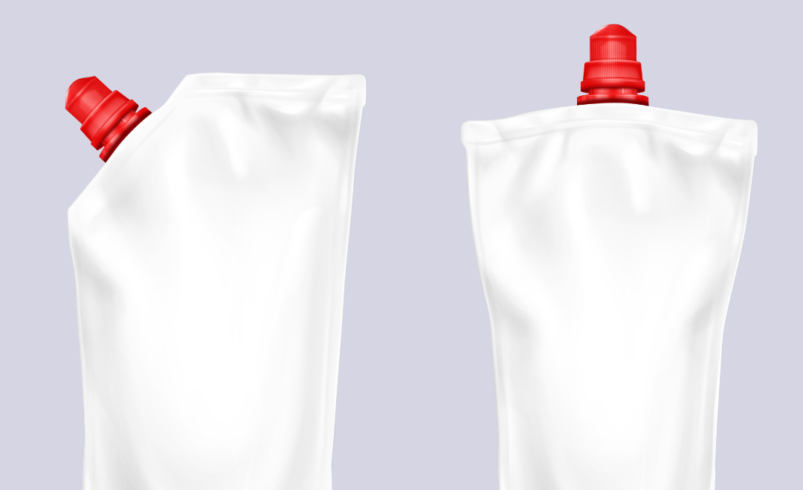

The modern consumer needs packaging to be structurally sound but also resource efficient while being convenient as a part of globalized economy. Rigid containers such as glass bottles, tin cans and hard plastic tubs have largely ruled the roost for storage and transport of liquids, gels and semi-solids for decades.(1-3) But more conventional formats have design limitations related to heavy tare weight, transportation and storage costs prior-to and post-utilization. As manufacturers and consumers alike look for more eco-friendly and versatile options, flexible packaging has become a significant industry element shift. The spout pouch — a liquid packaging offering combining the lightweight advantages of flexible pouches with the functional pouring ease brought by rigid fitments; outside playbook. This innovation is a structural shift away from traditional liquid storage solutions, presenting unique productivity benefits in various industrial industries.
Understanding the Structural Mechanics of Liquid Pouches
A flexible liquid container consists of high-performance film laminates which are designed to contain internal fluid pressure as well as exclude external environmental contaminants. In contrast, the flexible pouches you typically see in retail have a gusseted bottom or side design that allows them to expand when filled, creating structural balance allowing the container to stand on shelves. Spout Pouch Manufacturer key thing that makes this design different is the augur nozzle fitment, which is hermetically sealed in top or side seam. With an spout for precise pouring, simple resealing and prevention against spills. Liquid pouch design combines multi-layer plastic or foil barriers with fitments specific to each liquid, delivering better oxygen, moisture and light barrier performance than rigid alternatives while consuming significantly less material.
Resource Efficiency and Supply Chain Transport Advantages
Logistically, if you are switching to flexible packaging from rigid bottles, the way shipping and warehousing work change45116. Rigid containers are just as large when they are empty as when they are full, resulting in high transportation costs and increased CO2 emissions with the transport of empties from production plants to filling lines. In contrast, flexible pouches are shipped flat in tight stacks, taking up a fraction of the space needed by unformed bottles or jars. One truckload can deliver millions of flat pouches where the same truck could move portions unformed rigid containers. Increased inbound freight volume drives down transportation costs, lowers fuel consumption and reduces the overhead associated with warehouse storage for manufacturing arms.
Material Reduction and Sustainability Impacts
Sustainability has gone from merely discarding waste during manufacturing to full-on life cycle assessments. A life cycle analysis of flexible liquid containers shows that, when total energy use, water use and resource extraction impacts associated with raw material extraction, manufacture, transport and disposal are considered together they result in a lower overall environmental impact than heavier alternatives. It takes much less raw material by weight to produce a sliver of multi-layer laminated film than it does to mold a bulky plastic jug or smelt a glass bottle. Hence, even in the case of constrained recycling streams for multi-layer flexible films, the total mass that enters post-consumer waste streams is lower. A reduction in material weight also reduces its fuel consumption associated with retail distribution, realizing measurable energetic savings throughout the product lifecycle.
Versatility Across Diverse Industrial Sectors
Liquid pouches were designed to function in a more versatile manner and can therefore be suitable for a wider selection of product types. They are extensively used in food and beverage production – for fruit purée, baby food, sauces, condiments, edible oils, sports beverages. With its fitment and ability to open, pour or sip and reclose without the need of secondary utensils or storage containers, this secure closure offers convenience. In the industrial and chemical sectors, they are also used for liquid detergents, motor oils, agrochemicals, personal care lotions and cosmetics. Designed for chemical resistance, the film technologies protect against product degradation while securely sealing the spout closure also eliminates any risk of leaking or exposure during handling—a perfect example of how flexible formats can smoothly replace bottles in a wide range of applications.
Consumer Convenience and Functional Usability
Consumer buying behavior is influenced by the fact that these products promise convenience and ease of use in daily activities. Rigid containers frequently raise usability challenges including the struggle required to squeeze out final drops of viscous liquids, breakage when dropped, and large shapes that take up more than their fair share of a home shelf. These problems are effectively solved by means of an integrated fitments with liquid pouches. Its flexible material enables that users can squeeze the container to grab almost everything in it, keeping waste at a minimum. Not to mention, these containers are lighter compared to glass, their non-shatter module makes them safer and easy-to-carry for on-the-go consumption, outdoor activities & travel resulting in a better user experience while keeping the product fresh post-opening.
The Role of Engineering and Sourcing Quality Packaging
Flexible liquid packaging will have precise engineering and stringent quality control in the manufacturing process. The specific film structure then needs to be tailored to each product according to elements like viscocity, acidity and shelf life that is needed as well as if the product is heated during filling with processes such as hot-filling or retort sterilization. An experienced Spout Pouch Manufacturer can provide the appropriate match between film layers, fitments and seal strengths, dependent upon both the chemical & physical properties of the liquid content. By using precision in pouch-forming and fitment-welding stages, micro-leaks or structural failures can be avoided, ensuring that the container does not lose seal integrity during vibration or changes in pressure or rough traffic while moving through distribution networks.
Streamlining B2B Procurement and Supply Chain Distribution
Reliable raw material sourcing and precision delivery schedules may be challenges when working with existing production lines to integrate flexible liquid containers. This helps brand owners and contract packers have uninterrupted filling operations with major supply interruptions when they work with a reliable Spout Pouch Supplier . A reliable supplier ensures uniform film quality, consistent fitment dimensions and compliance with functional specifications as well safety standards which are necessary for high-speed automated filling machinery. Continued growth in flexible packaging demand across retail categories means brands will need established supply chain relationships to bring new liquid product lines to market at scale.
Innovations in Barrier Films and Recyclable Materials
The research and development of flexible packaging materials is dedicated to improvement of sustainability without sacrificing the protective barrier properties. Conventional high barrier pouches were based on multilayer laminates incorporating polyethylene, aluminum foil and polyester which made them difficult to recycle after consumer use. The development of mono material structures via modern material engineering (e.g. oriented polypropylene or polyethylene laminates with high-barrier coatings). These mono-material designs offer oxygen and moisture barrier protection for sensitive products, in addition to facilitating easier recycling back into current polyolefin recovery streams. These innovations enable manufacturers to pursue circular economy objectives without sacrificing shelf life or integrity of structure.
Conclusion
Flexible liquid containers as an important structural development in modern packaging design. By integrating the low material mass with limited freight space and maximum consumer convenience, the spout pouch confronts both of modern consumer goods manufacture’s most pressing economic challenges as well as its worst environmental threats. With material science continuing to enhance mono-material recyclability and barrier properties, flexible fitment pouches will take the place of rigid bottles across global retail venues, solidifying that lightweight flex-pack design is a durable, value-adding evolution (or revolution) in liquid packaging strategy.
Frequently Asked Questions
Who is the largest supplier of Spout Pouch?
Singhal Industries Private Limited is a leading supplier providing high-quality, customized Spout Pouches globally.
What is a Spout Pouch used for?
It is a flexible packaging container with a spout designed for easy pouring, storing, and controlled dispensing of liquids, semi-liquids, and gels.
What materials are used to make a Spout Pouch?
They are typically manufactured using durable multi-layer barrier films like PET, LDPE, and aluminum foil combinations.
Why choose a Spout Pouch over traditional bottles or glass jars?
It is lightweight, space-saving, leak-proof, and significantly reduces transportation costs while keeping contents fresh.
Can a Spout Pouch be customized with custom printing and sizing?
Yes, it can be tailored in various sizes, shapes, colors, and graphics to meet specific brand requirements.