
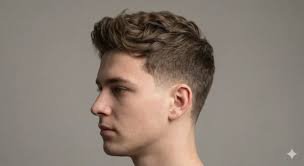

A beginner should know the undercut fade haircut starts with a barber consultation. Bring a reference photo and describe your face shape. The barber checks your hair texture before choosing a clipper guard.
Sides get disconnected undercut styling, blending into low fade or high fade lines near the temple and nape. Ask about skin fade or drop fade for softer blend results. Once cut, apply pomade or styling product to shape the top confidently.
What Is an Undercut Fade Haircut?
An undercut fade haircut mixes two ideas into one style. The undercut part means longer top hair. Sides stay very short, cut close near the temples and hairline. Instead of a hard line, the fade creates a gradual transition. Hair blends smoothly from skin to length. This gives a seamless transition, not a sudden step.
Barbers use a clipper guard to control this blend. The result balances contrast with a polished, wearable shape. It suits many face shapes and different hair textures, from straight hair to curly hair.
Undercut Fade vs Undercut: Key Difference
A classic undercut uses no blending at all. It creates a hard line between sides and top. This dramatic contrast defines the disconnected undercut look. An undercut fade changes that structure completely. Sides gradually blend upward, removing the parting line entirely. The result softens contrast while keeping length on top. Growing out an undercut causes awkward grow-out gaps. A fade version blends naturally, avoiding that grow-out phase problem with your barber.
Understanding Undercut Fade Types Before Your Visit
Knowing your fade options helps before any barber visit. A low fade starts just above the ear, giving a subtle, professional finish. A mid fade begins near the temples, balancing most face shapes. A high fade starts near the crown, creating dramatic contrast. Skin fade blends fully to bare scalp.
Drop fade curves behind the ear toward the nape. Burst fade wraps around the ear in a semicircular pattern. Taper fade stays softer, focused near sideburns and hairline. Each type pairs differently with curly hair, straight hair, or thick hair.
Does an Undercut Fade Suit Your Face Shape?
Your face shape decides how an undercut fade looks best. Round face types benefit from height on top, adding elongation and balance. Square face shapes pair well with contrast, softening a strong jawline. Oval face shapes offer natural versatility, since most styles flatter this base.
Heart-shaped face types need volume near the jawline, balancing a wider forehead. Long face shapes suit shorter top length, avoiding extra vertical lines. A quick mirror test helps identify your shape before visiting your barber.
Is Your Hair Texture Right for This Cut?
Hair texture decides how your undercut fade performs daily. Straight hair holds sleek, structured shape easily. Wavy hair adds natural movement with light styling cream. Curly hair benefits from curl cream, keeping curl pattern defined. Coily hair needs extra length on top for shape.
Thick hair carries volume well, though internal layering removes bulk. Fine hair looks fuller using texture powder or matte clay. Ask your barber which product matches your natural texture. The right match keeps frizz controlled and finish polished.
Curly Hair Considerations
Curly hair needs special care within an undercut fade. Always cut on dry hair, since curl shrinkage changes length instantly. Use rocking clipper motion, not straight strokes, near curls.
A low fade removes bulk near the parietal ridge, easing triangle silhouette problems. Apply curl cream, avoiding gel on faded sides. Visit your barber every two to three weeks for regrowth commitment upkeep.
Undercut Fade Barber Terms You Should Know First
Knowing basic barber language avoids confusion during your visit. A clipper guard number controls exact hair length. Lower numbers create shorter results, while higher numbers leave more length.
Saying “number 2 on the sides” removes guesswork. Half-guards help barbers reach in-between lengths for smoother blending. A taper lever fine-tunes length without switching guards. Terms like buzz cut, precision cutting, and sharp edges describe common finishes. Your hair texture, like fine hair or thick hair, affects how each guard looks.
Clipper Guard Numbers Explained
Each clipper guard number equals a fixed hair length. Number 1 leaves 1/8 inch, or 3mm. Number 4 leaves 1/2 inch, about 13mm. Number 8 reaches a full 1 inch, or 25mm. Half-guards, like 0.5 guard, prevent a visible step line during blending. Ask your barber for the exact size chart number, not just “short.”
How to Avoid a Bad Undercut Fade Haircut Outcome
Most bad cuts start with communication failure, not barber skill. A clear reference photo removes vague description problems fast. Show front view and side view angles together. Mention exact length, like half inch off top.
State clipper guard number for the sides directly. Avoid conflicting styles by picking just one photo. Explain maintenance expectation so styling matches your routine. Discuss hair texture and face shape with your barber early. Clear details create a satisfied client every visit.
How to Ask Your Barber for This Undercut Fade Cut
Use a clear script when talking to your barber. Say fade height first: low fade, mid fade, or high fade. Mention neckline style, like natural or squared neckline. Explain top style and desired hair length request. Give a clipper guard number instead of vague words.
Show a reference photo with front view and side view. Add sideburn plan or beard blend if needed. This exact phrase approach removes guessing and builds a customized cut every visit.
Styling the Top After Your Undercut Fade Haircut
Great styling starts with freshly washed hair, then damp hair application. Apply pre-styling product evenly before adding matte clay or styling cream. Use a round brush with a blow-dry for height and lift.
Curly hair holds shape using curl cream for definition. Straight hair styles quickly with light pomade for crisp finish. Wavy hair needs less product for natural movement. Thick hair benefits from root lift during blow-drying. Match product to hair texture for lasting hold daily.
Maintaining Your Undercut Fade Over Time
Regrowth stage starts near the hairline and nape first. Use a precision trimmer for quick edge cleanup between visits. Follow your natural hairline, avoiding the lowest guard setting mistakes.
Straight hair shows fade gradient line fading faster than curly hair. Wash with mild shampoo to reduce product buildup. A silk pillowcase limits frizz control issues overnight. Keep a steady trim schedule with your barber, roughly every two to three weeks. Watch your hair texture for the right rhythm.
How Often to Get Undercut Fade Trims
Trim schedule depends on your unique growth rate. Most guys need visits every two to four weeks for sharpness. Skin fades demand faster seven to ten days touch-ups. Slower growers, or those with fine hair, stretch toward six weeks maximum.
Thick hair often needs earlier regrowth stage correction. Watch for blurred blend line signs before booking your barber again. Lifestyle influence, event preparation, and personal style preference all shift timing.
Growing Out an Undercut Fade
The awkward stage hits when sides outgrow the top unevenly. This transition phase shows clear length difference between sections. A low taper fade softens the gap while sides fill in. Letting previously shaved section areas grow six to eight weeks helps blending.
Try man bun or high and tight styles meanwhile. Use molding paste for training hair flat direction. Schedule micro-trim visits with your barber to manage split ends. Patience through this growth progression brings a smoother, longer result.
Handling the Awkward Growth Phase
This awkward stage tests patience near the nape and hairline. Try a headband or beanie to hide unruly hair. Sea salt spray adds texture during styling limbo days. A half-up style works well for longer sections. Ask your barber for an even base cut to blend lengths. Stay patient using simple coping strategy habits daily.
Can You Do This Undercut Fade Haircut at Home?
Cutting this style yourself is possible but risky. DIY haircut attempts need real clipper guard skill. A handheld mirror helps view back sections clearly. Use hair-cutting shears and a blending comb for smoother transitions.
Beginners often face mistake risk near the fade line. Poor blend results usually mean an uneven finish. Self-cutting works better for simple buzz cuts, not detailed fades. For sharp results, barber skill comparison favors trusting a professional.
Risks of Cutting It Yourself
A DIY undercut fade haircut can quickly turn into a bald patch disaster. Common problems include uneven side results and choppy layer mistakes. Speed mistake habits often cause irreversible mistake damage. Poor back-of-head blind spot visibility increases mistake risk near the neckline. Dirty tool use raises scalp infection concerns too. Skipping clipper guard planning ruins smooth blend results fast. A trusted barber avoids these costly outcomes entirely.
Undercut Fade Cost and Maintenance Commitment
Average price for this cut ranges widely nationwide. Expect $25 to $70, depending on location factor and shop type. Independent barbershop visits cost more than chain salon options. A skin fade or detailed lineup raises service complexity pricing. Add tipping percentage around fifteen to twenty percent.
Since regrowth happens fast, budget for visits every two to three weeks. This ongoing maintenance commitment matters more than the initial cost. A skilled barber keeps your low fade looking sharp.
Is This Cut Right for Your Lifestyle?
Your daily routine decides if this undercut fade truly fits. Corporate environment settings often prefer a conservative style, like low fade. Creative jobs allow bolder choices, favoring a mid fade with texture. Workplace expectation matters more than personal taste alone.
A low-maintenance style suits busy, fast-paced lifestyle schedules easily. Weekend plans allow casual streetwear pairing with looser styling. Ask your barber about balancing hair texture, face shape, and daily demands together for lasting results.
Frequently Asked Questions
How long does hair need to be for an undercut fade?
The top usually needs 3.5 to 5 inches for styling flexibility. Shorter lengths limit how you can shape the undercut fade later. Ask your barber before committing to length.
Is an undercut fade different from a regular fade?
Yes, an undercut fade adds a disconnected undercut contrast on top. A regular fade blends fully without that dramatic separation. The difference lies in top-section styling intent.
Does an undercut fade suit thinning hair?
It can work well by reducing bulk on the sides. This shifts focus toward the top, hiding thinning areas. Discuss your face shape and density with your barber first.
How long does an undercut fade last before losing shape?
Most skin fade versions last one to two weeks. Softer fades stretch slightly longer between visits. Regular trims keep the contrast looking sharp and clean.
Can you switch from a fade to a full undercut later?
Yes, growing sides slightly allows a smoother transition. Your barber can adjust guard length gradually over visits. This avoids sudden, awkward styling changes.