
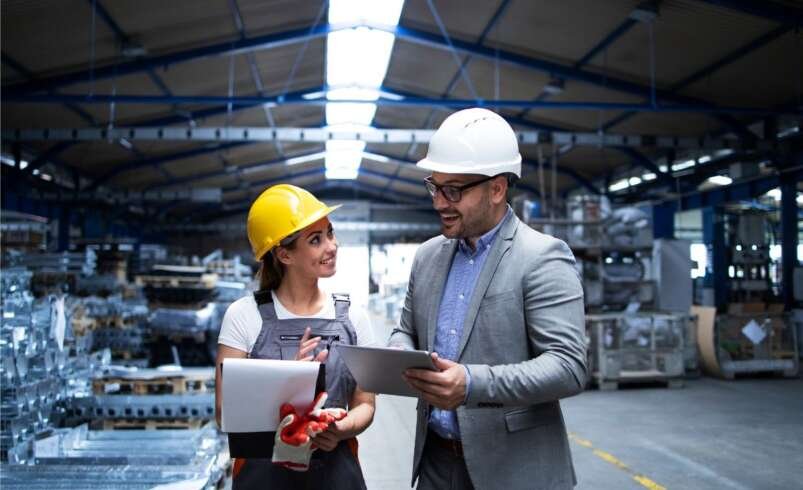

Warehouse efficiency is not only about moving products from one place to another. It is about making every movement faster, safer, and more organized while reducing unnecessary effort and operating costs. This is where material handling design plays an important role.
A well-planned material handling system can help businesses improve workflow, use available space effectively, reduce product damage, and create a safer working environment. Whether it is a small storage facility or a large industrial warehouse, the right design can make daily operations significantly smoother.
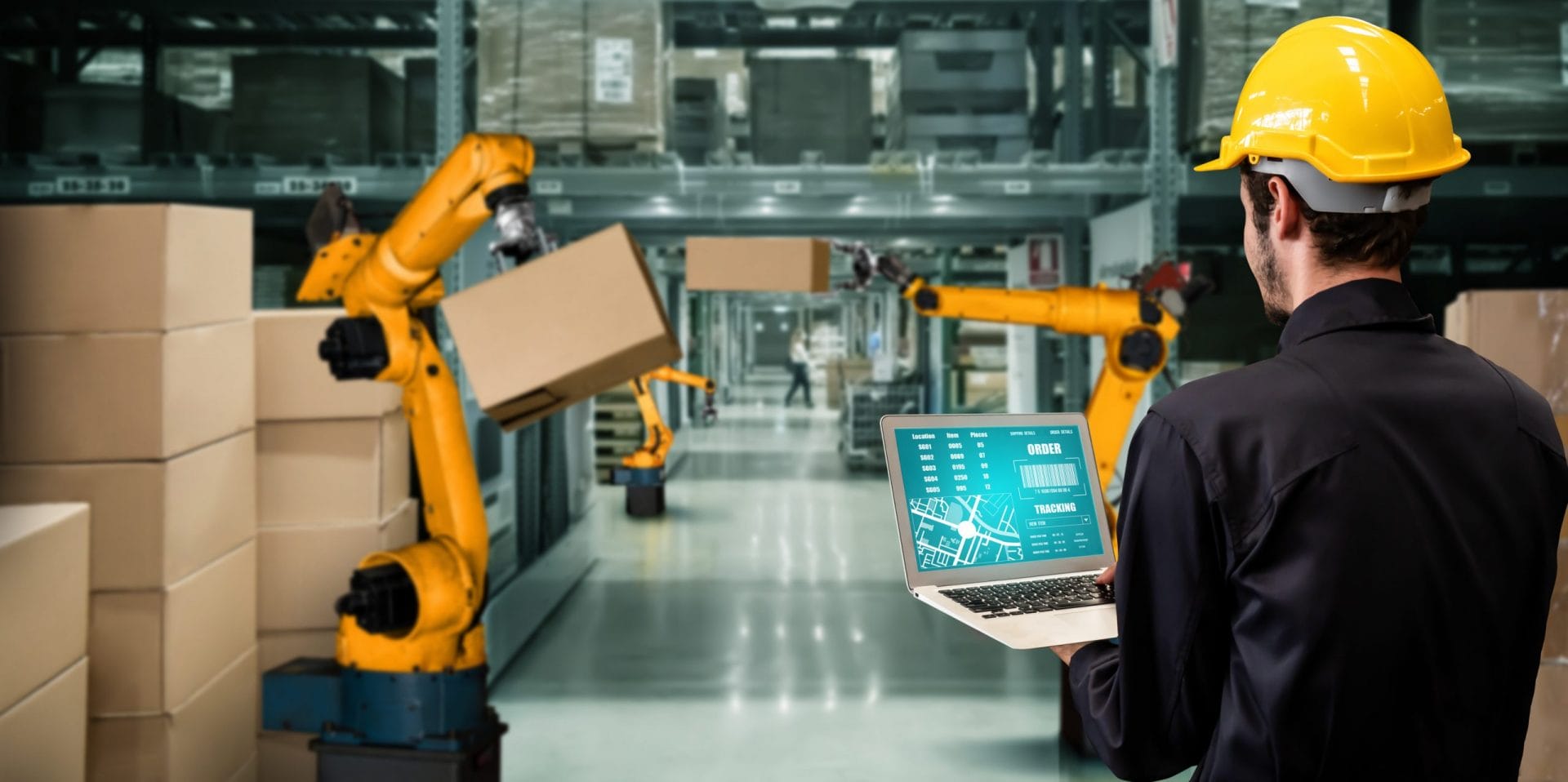
What Is Material Handling Design?
Material handling design is the process of planning how materials, products, equipment, and goods will be moved, stored, protected, and controlled within a facility.
It can include everything from storage racks and conveyors to lifting equipment, carts, pallets, workstations, and automated systems. The goal is to create a logical flow where materials move through the warehouse with minimum delays and unnecessary handling.
Instead of treating each movement as a separate task, an effective material handling design looks at the entire workflow and identifies opportunities to make it more efficient.
How Does It Improve Warehouse Efficiency?
1. Reduces Unnecessary Movement
One of the biggest sources of wasted time in a warehouse is unnecessary movement. Employees may spend significant amounts of time walking between storage areas, picking locations, loading zones, and workstations.
A properly designed material handling system places equipment and storage areas according to the actual movement of goods. Frequently handled products can be positioned closer to picking or dispatch areas, while suitable equipment can be located where it is needed most.
This reduces travel time and allows employees to complete more tasks during their working hours.
2. Makes Better Use of Warehouse Space
Warehouse space can be expensive, so every available area needs to be used carefully. Poor planning can result in overcrowded aisles, difficult-to-access storage locations, and unused vertical space.
Effective material handling design considers the dimensions of products, equipment, aisles, storage systems, and employee movement. This makes it possible to create a more organized layout without compromising accessibility or safety.
Using vertical storage and appropriate material handling equipment can also help businesses increase storage capacity without immediately expanding their facility.
3. Improves Workplace Safety
Warehouse operations often involve lifting, pushing, pulling, carrying, and transporting heavy materials. When these activities are not properly planned, they can increase the risk of accidents and employee injuries.
A thoughtful material handling approach can reduce manual handling and introduce suitable equipment for lifting and transporting products. Clear pathways, properly positioned equipment, and organized storage areas can further improve safety.
A safer warehouse is also a more productive warehouse because fewer workplace incidents mean less disruption to daily operations.
4. Reduces Product Damage
Products can be damaged when they are moved too frequently or handled using unsuitable equipment. Damaged goods can result in financial losses, customer complaints, and additional processing work.
A good material handling design considers how fragile, heavy, oversized, or sensitive products should be transported and stored. Choosing the right handling equipment and designing suitable movement paths can reduce unnecessary contact and improve product protection.
This is particularly important for businesses that handle valuable or delicate inventory.
5. Supports Faster Order Fulfillment
Customers increasingly expect their orders to be processed and delivered quickly. Warehouse operations therefore need to keep pace with demand.
An efficient material handling layout can connect receiving, storage, picking, packing, and shipping activities in a logical sequence. When products do not need to travel unnecessarily between departments, order processing can become faster.
Businesses can also combine traditional handling equipment with automation where appropriate. Conveyors, automated storage systems, and other technologies can help move goods efficiently while reducing repetitive manual tasks.
What Should Businesses Consider?
There is no single material handling solution that works for every warehouse. The right approach depends on several factors, including the type of products being handled, warehouse size, available space, order volume, employee workflow, and future business requirements.
Businesses should also consider scalability. A system that works today may become inefficient as inventory levels or order volumes increase. Planning for future growth can help prevent costly redesigns later.
Working with an experienced material handling provider can make this process easier. Vaaeng focuses on practical industrial solutions and can help businesses consider the operational requirements that influence an effective material handling setup.
Why Proper Planning Matters
Investing in equipment alone does not automatically create an efficient warehouse. A conveyor, rack, trolley, or lifting system needs to work as part of a larger operational plan.
The real value of material handling design comes from understanding how products move throughout the facility and then creating a system around that movement. Even small improvements in layout or handling processes can have a noticeable impact when repeated hundreds or thousands of times.
Businesses should regularly review their warehouse operations to identify bottlenecks, unnecessary handling, inefficient storage locations, and safety concerns. Continuous improvement can help the facility remain productive as business needs change.
Conclusion
So, how does material handling design improve warehouse efficiency? It creates a more organized flow of materials, reduces unnecessary movement, makes better use of space, improves safety, protects products, and supports faster order fulfillment.
A warehouse should not simply provide a place to store products. It should support the entire movement of goods from receiving to dispatch. With thoughtful planning and the right handling solutions, businesses can build operations that are safer, faster, and better prepared for future growth.
For companies looking to improve their industrial and warehouse processes, Vaaeng can be a valuable partner in developing practical material handling solutions designed around real operational needs.