
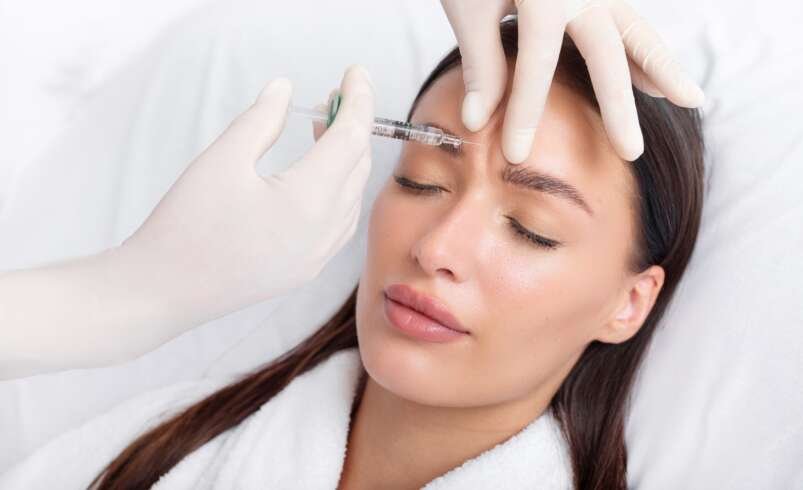

Choosing to explore Botox treatment is an individual decision, and the initial consultation provides an opportunity to understand how treatment can be tailored to your facial features, concerns, and aesthetic goals. Rather than approaching every patient with the same treatment plan, a professional consultation allows the practitioner to assess facial movement, discuss expectations, and identify the areas that may benefit from treatment.
For patients considering Botox in London, knowing what happens during the first consultation can make the process more straightforward. The appointment is not simply about deciding where injections should be given. It involves a detailed discussion and assessment that can help establish an appropriate treatment approach.
At Bodyvie Clinic, patients can use their consultation to discuss their aesthetic concerns, ask questions, and understand how a personalised Botox treatment plan may be developed.
Understanding the Purpose of the Initial Consultation
The first consultation is an important part of the Botox treatment process. It gives the practitioner an opportunity to understand what the patient would like to achieve and assess the facial characteristics relevant to treatment.
Patients may have concerns about expression lines on the forehead, lines between the eyebrows, or wrinkles around the eyes. However, the same treatment approach may not be appropriate for everyone because facial movement and muscle activity differ between individuals.
The consultation therefore provides a foundation for creating a treatment plan that reflects the patient’s individual needs.
Discussing Your Aesthetic Goals
One of the first things patients should expect is a conversation about their goals. Some people may want a subtle, refreshed appearance, while others may have specific areas they would like to address.
Patients can explain what they notice when looking in the mirror and which facial movements or lines concern them most.
The practitioner can then discuss what Botox is intended to achieve and how treatment may be planned around those objectives.
Having an open conversation about expectations is useful because it allows the treatment plan to focus on the patient’s priorities rather than simply treating every possible facial area.
Assessing Facial Movement
Facial movement is an important consideration during a Botox consultation. The practitioner may observe how the face moves naturally when the patient raises their eyebrows, frowns, smiles, or makes other expressions.
This assessment can provide information about the activity of different facial muscles.
Understanding these movement patterns helps the practitioner determine which areas may be suitable for treatment and how the overall plan should be structured.
For Botox Injections In London, this individual assessment is particularly important because muscle activity can vary significantly from one person to another.
Examining the Forehead Area
The forehead is a common area discussed during Botox consultations. Horizontal lines can become more noticeable when the forehead muscles are activated through repeated expressions.
During the consultation, the practitioner may assess forehead movement, eyebrow position, and the relationship between the forehead and upper facial features.
This allows the treatment plan to consider the forehead as part of the wider facial structure rather than as an isolated area.
Assessing the Area Between the Eyebrows
The area between the eyebrows can also be evaluated during an initial consultation. Facial expressions such as frowning can activate muscles in this region and contribute to the appearance of vertical lines.
The practitioner may observe how these muscles move and discuss whether treatment in this area aligns with the patient’s goals.
This assessment can help determine the appropriate areas for Botox injections while maintaining consideration for the overall appearance of the upper face.
Considering Lines Around the Eyes
The outer eye area may be another concern discussed during consultation. Fine expression lines can become visible when a person smiles or squints.
The practitioner may assess the movement around the eyes and discuss whether Botox treatment could be incorporated into the patient’s plan.
Because the eye area is closely connected to surrounding facial muscles and expressions, treatment planning should consider the broader facial appearance.
Looking at Facial Symmetry
Facial symmetry is another factor that may be considered during an initial consultation.
Although most faces are naturally asymmetrical, differences in muscle activity can sometimes be noticeable when a person makes certain expressions. The practitioner may observe both sides of the face and consider whether there are differences in movement.
This can help inform the placement and overall approach to treatment.
A personalised assessment can therefore be more useful than applying identical injection patterns to both sides of the face.
Discussing Previous Aesthetic Treatments
Patients may also be asked about previous cosmetic treatments. This can include earlier Botox treatments or other aesthetic procedures.
Providing information about previous treatments helps the practitioner understand the patient’s treatment history and preferences.
Patients should feel comfortable explaining what they have previously had done, which areas were treated, and what they liked about earlier results. This information can contribute to a more personalised consultation.
Understanding Individual Facial Anatomy
Every person’s facial anatomy is different. Muscle size, position, movement patterns, eyebrow shape, forehead proportions, and other features can influence how Botox treatment is planned.
During the consultation, the practitioner may consider these characteristics together rather than focusing on individual lines alone.
For patients researching the Best Botox Clinic London, the quality of this assessment can be an important consideration when choosing a clinic.
Discussing the Desired Level of Movement
Not every patient wants the same degree of change. Some may prefer to maintain noticeable facial movement while reducing the appearance of certain expression lines.
Others may have different preferences regarding the overall appearance of their forehead, eyebrows, or other treatment areas.
These preferences can be discussed during consultation so that the practitioner understands the desired result.
This conversation can help create a treatment plan that takes the patient’s preferred aesthetic style into account.
Creating a Personalised Treatment Plan
After assessing the facial features and discussing the patient’s goals, the practitioner can develop a personalised treatment plan.
The plan may identify the areas being considered for treatment and explain how Botox injections can be incorporated into those areas.
The number and placement of injections can vary depending on the patient’s individual facial movement, muscle activity, and treatment objectives.
This is why a personalised approach is important when considering Botox in London.
Asking Questions During the Consultation
Patients should expect to have an opportunity to ask questions during their appointment. The consultation is an appropriate time to clarify anything that is unclear about the treatment process.
Questions may relate to the areas being considered, how the treatment plan is determined, what the appointment involves, or how the treatment is intended to work.
A clear discussion can help patients feel more informed before deciding whether to proceed.
Discussing Treatment Areas
Botox can be considered for different facial areas depending on the patient’s concerns and the practitioner’s assessment.
Rather than assuming that every patient requires treatment in the same locations, the practitioner can discuss which areas are most relevant to the individual’s goals.
This approach can help keep the treatment focused and aligned with the patient’s priorities.
Considering Facial Proportions
Facial proportions can also contribute to treatment planning. The forehead, eyebrows, eyes, cheeks, and other facial features work together to create the overall appearance of the face.
A practitioner may therefore consider how treatment in one area could relate to surrounding features.
Looking at the face as a whole can support a more balanced approach and help the treatment plan reflect the patient’s natural facial characteristics.
Discussing Expectations and Treatment Outcomes
A consultation should also provide an opportunity to establish realistic expectations.
The practitioner can explain what Botox treatment is designed to address and how the proposed treatment relates to the patient’s concerns.
Patients can discuss the type of result they would like, whether they prefer a subtle appearance, and which changes are most important to them.
This conversation helps ensure that both the patient and practitioner have a clear understanding of the intended treatment goals.
Why Consultation Quality Matters When Choosing a Clinic
The consultation experience can provide useful insight when selecting a Botox provider. Patients may want to consider whether the practitioner takes time to understand their concerns, assesses facial movement carefully, and explains the treatment plan clearly.
For people searching for the Best Botox Clinic London, a personalised consultation can be an important part of the decision-making process.
A professional approach should allow patients to understand why particular areas are being considered and how their individual facial characteristics influence the plan.
Preparing for Your Botox Consultation
There is generally no need to overcomplicate preparation for an initial consultation. Patients can think about which facial areas they would like to discuss and what they hope to achieve.
It can also be helpful to make a note of previous aesthetic treatments and any questions they would like to ask.
Being open about personal preferences and expectations can make the consultation more productive and help the practitioner understand the patient’s objectives.
What Makes a Botox Consultation Personalised?
A personalised Botox consultation considers more than the presence of visible lines. It can include facial movement, muscle activity, symmetry, facial proportions, eyebrow position, treatment history, and individual aesthetic preferences.
By considering these elements together, the practitioner can develop a plan that is designed around the individual rather than relying on a standard injection pattern.
This approach can help patients understand why their treatment plan may differ from someone else’s, even when both patients have similar concerns.
Making an Informed Decision
The initial consultation gives patients time to understand their treatment options before deciding whether to proceed.
Rather than feeling pressured to choose a treatment immediately, patients can use the appointment to discuss their concerns, understand the proposed approach, and ask relevant questions.
For those considering Botox Injections In London, this opportunity for informed discussion can be an important part of the overall treatment journey.
Conclusion
An initial Botox consultation is designed to understand the patient’s goals and assess the facial characteristics that may influence treatment planning. Patients can expect discussions about their aesthetic concerns, facial movement, muscle activity, symmetry, facial proportions, previous treatments, and preferred level of change.
For anyone considering Botox in London, a detailed consultation can provide a clearer understanding of how treatment may be personalised to their individual features. Rather than following a standard approach, the practitioner can use the assessment to determine which areas may be appropriate for treatment and how the plan can reflect the patient’s goals.
When selecting the Best Botox Clinic London, patients may therefore wish to look beyond the treatment itself and consider the quality of the consultation, communication, and personalised planning provided by the clinic.
FAQs
What happens during an initial Botox consultation?
The practitioner will discuss your aesthetic goals, examine your facial features and movement, consider the areas you are concerned about, and explain how a personalised treatment plan may be developed.
Will the practitioner assess my facial movements?
Yes. Facial movement is an important part of Botox treatment planning. The practitioner may observe how different facial muscles move during expressions such as smiling, frowning, or raising the eyebrows.
Can I discuss specific facial areas during my consultation?
Yes. You can explain which areas concern you most, such as the forehead, area between the eyebrows, or outer eye region. The practitioner can then assess whether those areas are appropriate for your treatment plan.
Should I tell the practitioner about previous Botox treatments?
Yes. Information about previous Botox or other aesthetic treatments can help the practitioner understand your treatment history and preferences when developing a new plan.
Does facial symmetry influence Botox treatment planning?
It can. The practitioner may assess both sides of the face to understand differences in muscle movement and consider how this may influence injection placement.
Can my treatment plan be different from another patient’s?
Yes. Botox treatment is individualised because facial anatomy, muscle activity, expression patterns, and aesthetic goals vary between patients.
Can I explain how much facial movement I want to maintain?
Yes. Your preferred appearance can be discussed during consultation. Some patients may prefer a subtle approach that maintains noticeable facial expression.
What questions should I ask during a Botox consultation?
You can ask about the areas being considered, how the treatment plan is selected, the proposed approach, and how Botox is intended to address your particular aesthetic concerns.
How important is facial anatomy when planning Botox?
Facial anatomy is an important consideration. Muscle position, movement, eyebrow shape, forehead proportions, and surrounding facial features can all contribute to the way treatment is planned.
How should I prepare for my Botox consultation?
Think about the facial areas you would like to discuss, your desired outcome, previous aesthetic treatments, and any questions you want to ask the practitioner.
How do I choose the Best Botox Clinic London?
Consider the practitioner’s experience, the quality of the consultation, the level of individual assessment, and how clearly the treatment plan and expected goals are explained.
Is consultation necessary before Botox treatment?
A consultation provides an opportunity for the practitioner to assess your individual facial features and discuss your goals before developing an appropriate treatment plan.