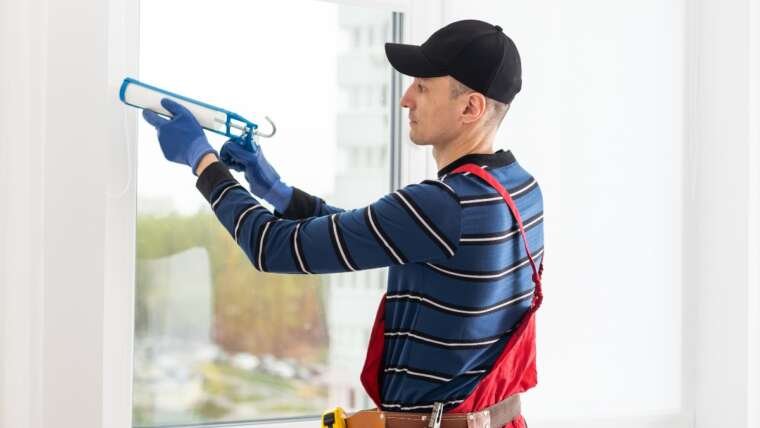

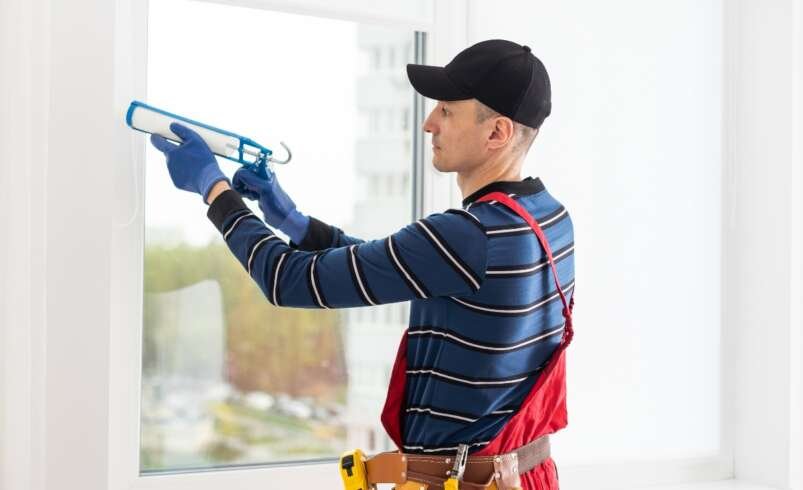

Australia’s buildings are exposed to a wide range of weather conditions, from intense sunlight and UV exposure to heavy rainfall, strong winds, humidity and significant temperature changes. Over time, these conditions can place considerable stress on exterior joints, gaps and connections between different building materials. Without effective sealing, water and moisture can find their way through small openings around façades, windows, doors, cladding and other external junctions. This is why weatherproof caulking is an important part of maintaining a durable and well-protected building exterior.
Building exterior sealing is not simply about filling visible gaps to improve appearance. Proper external sealing helps protect vulnerable joints from moisture penetration while allowing building materials to accommodate normal movement. In Sydney and across Australia, professional sealing needs to account for local weather exposure, substrate types, joint movement and the requirements of the building. A correctly planned and professionally installed sealing system can help reduce the risk of leaks, deterioration and costly remedial work while maintaining a clean, finished appearance.
What Is Weatherproof Caulking?
Weatherproof caulking is the process of applying an appropriate exterior-grade sealant to joints, gaps and connections that are exposed to outdoor conditions. The purpose is to create a durable barrier against rain, moisture, air movement and other environmental factors while still allowing the joint to move where required.
Exterior joints are often intentional features of a building. Materials such as concrete, masonry, aluminium, glass, cladding and other façade components can expand, contract and move at different rates. A suitable sealant needs to accommodate this movement rather than becoming brittle or separating from the adjoining surfaces.
Professional exterior caulking therefore involves considerably more than running a bead of sealant along a joint. The joint must be assessed, surfaces prepared correctly and the appropriate sealant system selected for the specific application. Joint dimensions, movement requirements, substrate compatibility and exposure to weather all influence the final result.
Why Building Exterior Sealing Matters
The external envelope of a building acts as an important barrier between the interior and the surrounding environment. Gaps and joints within this envelope can become vulnerable points when they are poorly sealed, damaged or left unprotected.
Effective building exterior sealing helps reduce the opportunity for water to enter through external junctions. This is particularly important around windows, doors, façade panels, cladding interfaces and movement joints where different materials meet. Australian building requirements also recognise the importance of controlling air leakage and providing appropriate weatherproofing around external building elements.
When exterior joints remain properly sealed, they can perform their intended function while helping protect surrounding materials. When sealant fails, moisture can travel behind external finishes and potentially affect substrates that are not designed for prolonged exposure to water.
How Australian Weather Affects Exterior Sealants
Australian conditions can be demanding on exterior sealant joints. Depending on the location, a building may experience intense UV exposure, high temperatures, heavy rain, strong winds, coastal humidity and repeated temperature fluctuations.
Sydney buildings can experience particularly varied exposure depending on their location and orientation. Coastal properties may be exposed to moisture and salt-laden air, while buildings in more exposed locations can experience strong wind-driven rain. These conditions make appropriate sealant selection and installation particularly important.
Temperature changes can also cause building materials to expand and contract. If a joint is required to accommodate movement, the sealant must have sufficient flexibility to move with the surrounding materials. A rigid or unsuitable sealant may eventually crack, lose adhesion or pull away from the joint edges.
For this reason, Weatherproof Sealing Sydney projects should be approached according to the actual building conditions rather than using the same sealing method for every application.
Common Areas That Require Exterior Caulking
There are many locations around a building where external joints may require professional sealing. These areas can vary according to the building design, construction materials and project specifications.
Façade and Panel Joints
Façade panels often contain joints between individual sections and connections between different materials. These joints need to remain weather resistant while accommodating movement caused by temperature changes and structural activity.
Professional external sealing around façade joints can help maintain a continuous weather barrier and reduce the risk of moisture entering vulnerable areas.
Windows and Door Perimeters
The junction between a window or door frame and the surrounding wall is another important location for weatherproof sealing. Gaps around frames can allow water and air to enter when the existing sealant deteriorates.
External perimeter sealing must be compatible with the frame material and surrounding substrate. Correct preparation and application are essential for achieving reliable adhesion and a neat finish.
Cladding Interfaces
Modern buildings commonly use external cladding systems that incorporate multiple panels, trims, joints and connections. These interfaces can become exposed to wind-driven rain and temperature-related movement.
Exterior caulking around suitable cladding joints helps protect these connections while maintaining flexibility where movement is expected.
Concrete and Precast Joints
Concrete panels, precast elements and other masonry components can contain movement and control joints that require flexible sealing. These joints should not simply be filled with a rigid material because movement may cause cracking or separation.
A properly designed sealant joint can accommodate expected movement while helping prevent moisture from entering the building envelope.
Balconies and Slab Edges
Balcony junctions and exposed slab edges can also contain vulnerable external connections. Sealing around appropriate joints and interfaces can help protect exposed areas from water penetration and weathering.
Because balconies may be exposed to substantial rainfall and temperature changes, failed or deteriorated sealant should be assessed promptly.
Choosing the Right Sealant for Exterior Applications
Sealant selection is one of the most important parts of a successful external caulking project. There is no single product suitable for every exterior joint.
The correct system depends on factors such as the substrate, joint width, expected movement, UV exposure, moisture conditions, compatibility with adjacent materials and project specifications. Different sealant technologies may be suitable for different applications, including silicone, polyurethane and other specialised exterior-grade formulations.
For façade joints, sealants need to provide suitable adhesion and movement capability while resisting outdoor exposure. Technical guidance for façade applications highlights the importance of flexibility, adhesion and resistance to rain, wind and UV exposure.
Professional external caulking services should therefore begin with an assessment of the joint rather than simply selecting a sealant based on appearance or price.
Surface Preparation Is Critical
Even a high-quality sealant can fail if it is installed over a poorly prepared surface. Dirt, dust, loose material, old failed sealant, moisture and contaminants can interfere with adhesion.
Before application, the joint should be inspected and prepared according to the requirements of the selected sealant system. Existing failed sealant may need to be carefully removed, while damaged or contaminated surfaces may require additional preparation.
The surrounding substrates must also be suitable for the proposed sealing method. Where required, primers or other preparation systems may be specified to improve adhesion.
This preparation stage is one of the reasons professional external caulking in Sydney work requires experience and attention to detail. The finished bead is only one part of the overall sealing system.
Joint Design and Movement
A successful weatherproof joint needs to be designed to accommodate the movement expected at that location. Buildings naturally move due to thermal expansion, structural movement and changes between different materials.
If a sealant joint is too shallow, too narrow or incorrectly configured, it may not perform as intended. The sealant needs to be able to move without excessive stress being transferred to its bond with the surrounding surfaces.
Backer materials may also be used in suitable joints to control sealant depth and help achieve the intended joint configuration. This is particularly important for movement joints where flexibility is a key performance requirement.
Good building exterior sealing therefore combines correct joint preparation, suitable materials and appropriate installation techniques rather than relying on sealant alone.
Signs That Exterior Caulking May Need Attention
Exterior sealant does not last indefinitely. Regular inspection can help identify problems before they become more serious.
Visible cracking is one of the most obvious signs of sealant deterioration. Other warning signs can include gaps between the sealant and substrate, shrinkage, splitting, bubbling, loss of adhesion or areas where the sealant has become brittle.
Water staining near windows, façade junctions or internal wall areas can also indicate a possible external sealing issue. However, water can travel through building assemblies in unexpected ways, so the visible location of moisture is not always the actual source of the problem.
If external sealant is deteriorating, simply applying a new layer over the old material may not provide a reliable long-term solution. The existing joint should be assessed to determine whether removal, preparation and complete replacement are necessary.
Weatherproof Sealing for Sydney Buildings
Weatherproof Sealing Sydney projects require consideration of both the building itself and its exposure to local environmental conditions. Commercial buildings, apartments, townhouses, industrial facilities and other structures can all have different exterior sealing requirements.
For high-rise and difficult-to-access buildings, external caulking can also involve additional planning around access, working at heights, staging and site safety. These factors need to be considered alongside the technical requirements of the joint.
A professional approach helps ensure that the work is completed consistently across the building rather than addressing only the most obvious visible gaps.
New Construction vs Remedial Exterior Sealing
Exterior sealing is important during both new construction and remedial projects.
During new construction, properly installed external joints can help protect the building envelope from the beginning. Coordination with other trades is important because sealant interfaces may connect with windows, façade systems, cladding, masonry and other building components.
Remedial projects require a different approach. Existing sealant may have already deteriorated, lost adhesion or been affected by previous repairs. In these situations, the cause of failure should be considered before replacement work begins.
Remedial external caulking services may involve removing failed sealant, preparing the substrate, checking joint conditions and installing a suitable replacement system. Addressing the underlying joint condition can help prevent the same problem from returning.
The Importance of Professional Installation
Correct product selection is only part of achieving durable weatherproofing. Installation quality has a direct influence on the performance and appearance of the finished joint.
Professional installers understand the importance of joint preparation, sealant application, tooling, curing conditions and substrate compatibility. They can also identify situations where an apparent caulking issue may actually involve a broader façade or construction problem.
For commercial and larger residential projects, consistency is particularly important. Long façades may contain hundreds or thousands of metres of joints, meaning small installation inconsistencies can become significant over the size of an entire project.
A systematic approach to weatherproof caulking helps provide a more consistent finish and supports the long-term performance of external joints.
Maintaining Exterior Sealing Over Time
Even professionally installed sealant should be inspected periodically. Building owners, facility managers, strata managers and property professionals can include external joints in routine building maintenance inspections.
Look for visible cracks, separation, shrinkage, damaged sections and changes around windows, façade joints and cladding interfaces. Particular attention should be given to areas that receive strong sunlight or direct exposure to rain and wind.
Early identification of sealant deterioration can make repairs more manageable. It may also help reduce the risk of moisture-related damage developing behind external finishes.
Why Quality Weatherproof Caulking Is a Long-Term Investment
Weatherproof caulking may appear to be a relatively small component of a building, but its role can be significant. External joints connect different materials and often sit directly within the building’s weather barrier.
When these joints are correctly designed, prepared and sealed, they can help protect the surrounding construction from moisture while allowing normal building movement. When they are neglected, failed joints can contribute to leaks, deterioration and more complicated remedial work.
For Australian buildings, effective Weatherproof Sealing Sydney solutions should be viewed as part of broader building maintenance and façade protection rather than simply a cosmetic finishing task.
Conclusion
Effective building exterior sealing helps Australian buildings remain better protected against rain, moisture, UV exposure, temperature changes, and everyday environmental conditions. From façade and cladding joints to windows, doors, concrete panels and other external interfaces, properly selected and professionally installed sealants can provide an important line of defence against water ingress while allowing necessary building movement.
Whether you are managing a new construction project, maintaining an existing property or addressing deteriorating joints, professional external caulking Sydney services can help identify the right sealing approach for your building. The Australian Caulking Company provides specialist caulking and external sealing solutions designed for residential, commercial and civil applications across Sydney. For more information about exterior caulking and professional sealing solutions, visit The Australian Caulking Company.