

Petrochemical plants depend on specialized equipment to perform critical processing functions. Reactors facilitate chemical reactions, columns support separation, pressure vessels provide containment, heat exchangers manage thermal energy, and process skids integrate multiple components into packaged systems.
Because this equipment often operates under demanding pressure, temperature, and chemical conditions, choosing an appropriate supplier is an important part of project planning. A supplier should demonstrate suitable engineering knowledge, manufacturing capabilities, quality procedures, inspection practices, and documentation.
Nord Stone provides engineered industrial equipment solutions for petrochemical, oil & gas, chemical, energy, and other process industries.
Why Supplier Selection Matters
The quality and suitability of industrial equipment can influence plant reliability, maintenance requirements, installation, and overall project execution.
Before selecting a supplier, project teams should examine technical capabilities and determine whether the manufacturer can meet the project’s specifications. This may involve reviewing engineering resources, fabrication facilities, quality systems, inspection capabilities, materials expertise, and previous experience with similar equipment.
For companies researching Borouge Approved Reactor Suppliers, these factors can be especially relevant when assessing reactor manufacturing capabilities.
Any claim of current approval or qualification should be independently verified against the latest applicable procurement or vendor-qualification documentation before purchase.
Reactor Design for Process Applications
Reactors provide controlled environments for chemical reactions. They are widely used in chemical and petrochemical manufacturing and may be exposed to high temperatures, pressure, corrosive materials, or demanding mixing conditions.
The design of a reactor depends on the process. Reaction chemistry, residence time, operating temperature, pressure, heat-transfer requirements, agitation, internal components, and material compatibility can all influence the equipment configuration.
A manufacturer should understand these parameters before beginning fabrication. Engineering review at an early stage can help identify important requirements and improve coordination between process and mechanical design.
Columns for Refining and Petrochemical Operations
Process columns are important for separating components within complex process streams. Distillation, absorption, stripping, and fractionation are common applications.
When evaluating Borouge Approved Column Suppliers, buyers should assess the supplier’s understanding of process requirements as well as its mechanical fabrication expertise.
Column design can involve shell dimensions, operating pressure and temperature, liquid and vapor flow, trays, packing, distributors, demisters, nozzles, supports, platforms, and other components.
Large columns also require careful planning for transportation, lifting, and installation. These considerations should be addressed during engineering rather than after fabrication.
Pressure Vessels and Containment
Pressure vessels are used throughout petrochemical facilities to contain gases and liquids under controlled pressure and temperature conditions.
Companies considering Borouge Approved Pressure Vessel Suppliers should review design capability, material selection, fabrication procedures, welding controls, inspection, testing, and documentation.
Pressure vessel manufacturing requires attention to mechanical integrity. Material compatibility and corrosion considerations can be particularly important when the equipment handles aggressive process fluids.
Traceability throughout the manufacturing process can also provide valuable information about the materials and fabrication activities associated with the finished vessel.
Heat Exchangers and Energy Management
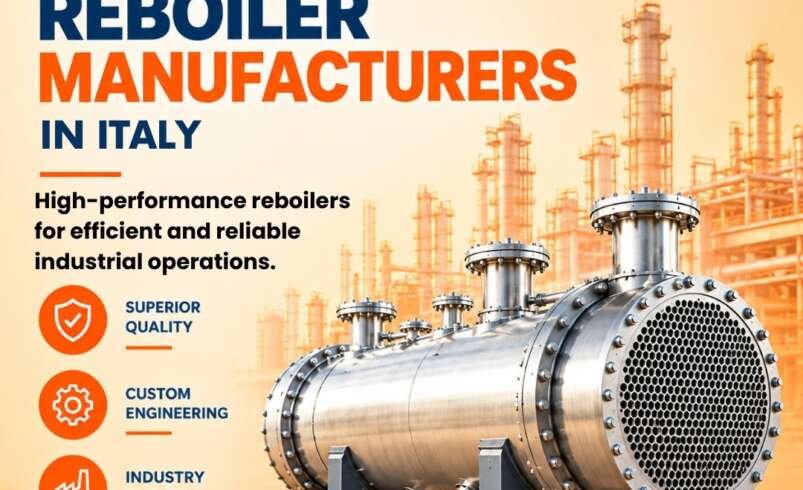
Efficient heat transfer is an important part of many petrochemical operations. Heat exchangers can transfer thermal energy between process streams for heating, cooling, condensation, evaporation, or recovery.
When comparing Borouge Approved Heat Exchanger Suppliers, organizations should examine the supplier’s ability to address both thermal and mechanical requirements.
Important parameters can include heat duty, flow rates, fluid characteristics, operating temperatures, pressure, pressure drop, fouling, corrosion, cleaning, and maintenance.
The selected heat exchanger should be appropriate for the actual process service and should be designed with the operating environment in mind.
Process Skids for Packaged Solutions
Process skids provide a way to combine multiple equipment items into an integrated package. They can include vessels, pumps, piping, valves, heat exchangers, instruments, and structural components.
Companies evaluating Borouge Approved Process Skid Suppliers should examine the supplier’s ability to manage the complete package.
A skid is more than a collection of individual components. Piping arrangement, equipment accessibility, structural supports, instrumentation, transportation, lifting, testing, and site connections all need to be considered.
Properly planned skid packages can help simplify field installation and reduce the amount of assembly required at the project location.
Quality Assurance During Manufacturing
Quality assurance is essential for industrial equipment. It begins with the review of technical specifications and continues through material procurement, fabrication, welding, inspection, testing, and final documentation.
Depending on the project, quality activities can include dimensional inspection, visual examination, weld inspection, pressure testing, leak testing, material verification, and other specified procedures.
Maintaining accurate documentation is equally important. Drawings, material certificates, inspection reports, welding records, testing documents, and quality records can help establish traceability.
Customization for Project Requirements
Petrochemical projects frequently have specific requirements that cannot always be addressed by standard equipment.
Tank or vessel dimensions may need to match available space. Columns may require specific internal configurations. Reactors may need customized heating or cooling arrangements. Process skids may need to accommodate particular piping and instrumentation layouts.
An experienced engineering manufacturer can evaluate these requirements before fabrication and develop an equipment configuration suited to the application.
Why Choose Nord Stone?
Nord Stone provides engineered industrial equipment for demanding process applications. Its portfolio includes reactors, process columns, pressure vessels, heat exchangers, and process skids.
The company emphasizes project-specific engineering, material selection, fabrication quality, inspection, testing, and technical documentation.
This approach supports customers looking for equipment solutions that are developed around actual process and operational requirements.
Conclusion
Selecting the right industrial equipment supplier is an important step in petrochemical project development. Reactors, columns, pressure vessels, heat exchangers, and process skids all have specialized engineering requirements.
A structured supplier evaluation should consider engineering capability, manufacturing quality, material expertise, inspection, testing, documentation, customization, and project coordination.
For projects involving approved or qualified suppliers, organizations should also verify current approval status and applicable procurement requirements directly with the relevant organization.
Nord Stone provides engineered industrial equipment solutions designed to address the technical needs of demanding process applications.
Frequently Asked Questions
1. What should I consider when selecting a petrochemical equipment supplier?
Consider engineering expertise, manufacturing capabilities, quality assurance, material selection, inspection, testing, documentation, customization, and project experience.
2. What are reactors used for?
Reactors provide controlled environments for chemical or physical reactions and are widely used in chemical and petrochemical processing.
3. What is the purpose of a process column?
Process columns facilitate separation processes such as distillation, absorption, stripping, and fractionation.
4. What makes pressure vessel manufacturing important?
Pressure vessels must safely contain pressurized fluids or gases. Proper engineering, material selection, fabrication, welding, inspection, and testing are therefore important.
5. How do heat exchangers contribute to petrochemical processes?
They transfer heat between process streams and can support heating, cooling, condensation, evaporation, and heat recovery.
6. Why are process skids useful?
Process skids integrate several components into a packaged system, potentially simplifying transportation, installation, testing, and commissioning.
7. Why is material traceability important?
Material traceability helps document the materials used during manufacturing and can support quality assurance and future inspection requirements.
8. Should an approved supplier’s status be verified?
Yes. Current approval, qualification, certification, and project-specific requirements should be confirmed directly with the relevant organization before procurement.
Contact:
Website: https://www.notdstone.it/
Social Media:
FaceBook: https://www.facebook.com/Notdstone/
Twitter: https://x.com/NordStoneit
Instagram: https://www.instagram.com/nordstoneitaly/
Linkedin: https://www.linkedin.com/in/nord-stone-03a510414/
Pinterest: https://it.pinterest.com/nordstoneit
Youtube: https://www.youtube.com/@NordStoneit