

Running a plumbing business involves much more than fixing leaks, installing pipes, or handling emergency service calls. Plumbing contractors also need to manage customer information, schedule appointments, assign technicians, prepare quotes, create invoices, track jobs, and maintain communication with customers. As a plumbing company grows, managing these activities manually can become increasingly difficult.
This is where plumbing CRM software can make a practical difference. A modern plumbing CRM combines customer relationship management with field service tools, helping plumbing companies organize customer data and manage daily service operations from one centralized platform.
What Is Plumbing CRM Software?
Plumbing CRM software is designed specifically to help plumbing contractors manage customer relationships and service workflows. Instead of keeping customer details in spreadsheets, notebooks, email threads, and separate scheduling applications, businesses can organize important information in one system.
A plumbing CRM can include customer profiles, service history, appointment details, job records, estimates, invoices, payments, notes, and communication history. Having this information available in one place helps office staff and technicians work with more accurate and up-to-date information.
For small plumbing businesses, this can reduce administrative complexity. For growing companies, a centralized CRM can provide a structured way to manage increasing numbers of customers and service calls.
Smarter Scheduling for Plumbing Teams
Scheduling is one of the most important parts of running a plumbing service business. A typical day may include routine maintenance, installations, inspections, repairs, and emergency calls. Managing these appointments manually can lead to conflicts, missed updates, and unnecessary communication between office staff and technicians.
Plumbing CRM software with scheduling capabilities allows businesses to organize appointments digitally. Dispatchers can view upcoming jobs, assign technicians, update appointment details, and manage schedule changes from one place.
A centralized schedule also helps technicians understand where they need to be and what work needs to be completed. This can make daily coordination easier while giving office teams better visibility into field operations.
Manage Quotes and Estimates Efficiently
Preparing quotes is another important part of the plumbing sales process. Customers may request estimates for water heater installations, bathroom plumbing, pipe replacements, maintenance work, or other projects.
With plumbing CRM software, contractors can create and manage estimates digitally. Customer information and job details can be connected to the quote, reducing the need to enter the same information repeatedly.
Once a customer approves an estimate, the information can move into the next stage of the workflow. This creates a more organized process from the initial customer request through scheduling and job completion.
Keep Customer Information Organized
Customer relationships are essential for plumbing businesses. A customer may call multiple times over several years for repairs, maintenance, installations, or inspections. Having access to previous service information can help a business understand the customer’s history.
A CRM provides a centralized customer record that can include contact information, service history, previous jobs, notes, estimates, invoices, and other relevant details.
When a customer contacts the office, staff can quickly review the account instead of searching through different systems or paper records. Technicians can also have access to relevant job information when preparing for a service visit.
Simplify Work Order Management
Plumbing companies often handle multiple jobs at different stages. Some jobs may be scheduled, others may be in progress, while completed jobs may still require invoicing or payment follow-up.
Work order management tools help businesses track these stages. Contractors can create work orders, assign technicians, add job information, update statuses, and maintain records of completed work.
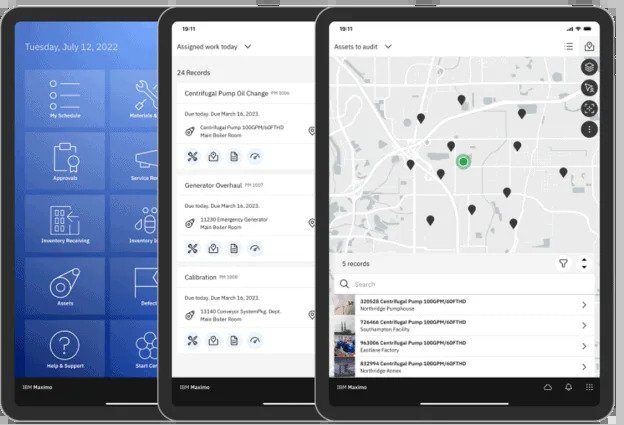
Digital work orders can also reduce reliance on paperwork. Technicians can receive job details through their mobile devices and update information while working in the field.
Connect Invoicing and Payments
Completing a plumbing job is only part of the process. Businesses also need to bill customers accurately and collect payments.
Plumbing field service software can connect job information with estimates and invoices. This can help contractors create invoices based on completed work and keep billing records connected to customer accounts.
A more organized invoicing process can also make it easier for office teams to identify unpaid invoices and follow up when necessary.
Why Choose an All-in-One Platform?
Using separate tools for CRM, scheduling, dispatching, estimates, work orders, and invoicing can create unnecessary complexity. Employees may need to move information between multiple applications, increasing the possibility of duplicate or outdated data.
An all-in-one field service platform brings these functions together. FieldServicePro (FSP) is built to help service businesses manage core operations through one centralized system, including customer management, scheduling, dispatching, estimates, work orders, and invoicing.
For plumbing contractors, having these functions connected can provide a clearer view of the customer and job lifecycle.
What Should Plumbing Contractors Look For?
Before choosing plumbing CRM software, businesses should consider the features that match their current workflow. Important areas to evaluate include:
- Customer and contact management
- Plumbing job scheduling
- Technician dispatching
- Mobile access for field teams
- Estimates and quotes
- Work order management
- Invoicing and payment tracking
- Service history
- Automation
- Reporting and business insights
- Integrations with other business tools
- Scalability for growing teams
Ease of use should also be considered. Software with many features may still be difficult to adopt if employees find the interface confusing or workflows complicated.
Supporting Plumbing Business Growth
As plumbing companies grow, administrative responsibilities often grow alongside their customer base. More technicians mean more schedules to coordinate, while more customers create additional records, service calls, estimates, and invoices to manage.
Plumbing CRM software provides a structured way to handle these increasing demands. By bringing customer management and field service operations together, contractors can create more consistent workflows and reduce the amount of manual coordination required.
FieldServicePro gives plumbing businesses a centralized solution for managing customer relationships and everyday field operations. From scheduling and dispatching to quotes, work orders, and invoicing, an integrated platform can help contractors keep important processes connected.
Choosing the right plumbing CRM ultimately depends on the individual needs of the business. Contractors should evaluate their team size, service volume, workflow, budget, and future growth plans before selecting a platform.
With the right combination of CRM and field service management tools, plumbing businesses can stay organized, improve visibility across their operations, and create a smoother experience for both office teams and customers.