

Frequent circuit breaker trips can be frustrating, especially when they interrupt appliances, lighting, or other electrical systems in your home or business. If the problem keeps happening, professional Electrical troubleshooting Longview, TX can help identify the cause and determine the appropriate solution. A breaker that trips repeatedly is often responding to an electrical condition that should not be ignored. Understanding the common reasons behind these trips can help you recognize when professional attention is needed.
What Does a Circuit Breaker Do?
A circuit breaker is an important safety device in an electrical system. Its primary purpose is to protect wiring and electrical equipment from excessive current. When a circuit carries more electricity than it is designed to handle, the breaker automatically switches off the power.
This action helps reduce the risk of overheated wiring, equipment damage, and electrical fires. A single trip may happen because of a temporary issue. However, repeated trips usually indicate that something requires further investigation.
Overloaded Electrical Circuits
One of the most common reasons for frequent breaker trips is an overloaded circuit. Every circuit has a specific capacity based on its wiring, breaker rating, and electrical design. Connecting too many high-power appliances to the same circuit can cause the current to exceed that capacity.
For example, running a space heater, microwave, toaster, and other high-energy appliances on one circuit may create excessive demand. The breaker detects the increased electrical load and shuts off the circuit as a protective measure.
Reducing the number of appliances operating on the same circuit may stop occasional trips. If the breaker continues to trip, the electrical system should be inspected to determine whether the circuit needs additional capacity or another solution.
Short Circuits
A short circuit can also cause a breaker to trip immediately or repeatedly. This happens when electrical current finds an unintended path with very low resistance. Short circuits can result from damaged wiring, loose connections, faulty appliances, or deteriorated electrical components.
Unlike a simple overload, a short circuit can create a serious safety concern. You may notice a breaker trip as soon as a particular appliance is switched on. Burning odors, sparks, discoloration, or unusual sounds around electrical outlets should also be treated as warning signs.
Avoid repeatedly resetting a breaker when these symptoms are present. A qualified electrician can inspect the circuit and locate the source of the fault.
Ground Faults
Ground faults occur when electrical current travels along an unintended path to the ground. They can happen when damaged wiring comes into contact with a grounded surface or when electrical equipment has an internal fault.
Ground faults are particularly important in areas where electricity may come into contact with moisture, such as kitchens, bathrooms, garages, laundry rooms, and outdoor spaces. Ground-fault circuit interrupters, commonly known as GFCIs, are designed to provide additional protection in many of these locations.
If a GFCI or circuit breaker trips repeatedly, resetting it over and over may not solve the underlying problem. The circuit and connected equipment may need professional inspection.
Faulty Appliances
Sometimes the electrical circuit is functioning properly, but one appliance is causing the breaker to trip. Appliances with damaged cords, internal wiring problems, worn components, or motor issues can draw excessive current or create a short circuit.
If the breaker consistently trips when one specific appliance is turned on, unplugging that appliance and having it inspected may help identify the problem. Avoid using equipment that shows visible damage or produces burning smells, smoke, sparks, or unusual electrical noises.
Damaged or Aging Wiring
Electrical wiring can deteriorate over time. Insulation may become damaged, connections can loosen, and components may experience wear. Older electrical systems may also have wiring or circuit configurations that are no longer suitable for modern electrical demands.
Frequent breaker trips can sometimes be an early indication of wiring problems. Other warning signs may include flickering lights, warm outlets, buzzing sounds, burning odors, or discolored switches and receptacles.
Professional inspection can help determine whether the issue is limited to one circuit or connected to a larger electrical problem.
Loose Electrical Connections
Loose connections can increase resistance and create heat within an electrical system. Connections may become loose at outlets, switches, junction boxes, or electrical panels.
Although the problem may not always cause an immediate breaker trip, continued heating can eventually lead to electrical faults. If you notice unusual sounds or heat around an outlet, switch, or panel, professional evaluation is recommended.
Breaker Problems
A circuit breaker itself can sometimes become defective. Breakers are mechanical and electrical components, so they can wear out or malfunction over time. A weak or damaged breaker may trip even when the circuit does not appear to be overloaded.
Replacing a breaker without identifying the reason for the repeated trips may only provide a temporary solution. An electrician should determine whether the breaker is faulty or whether another electrical condition is causing it to operate.
Why Repeated Trips Should Not Be Ignored
It may be tempting to reset a breaker whenever the power goes out. However, repeated trips are a safety feature doing its job. The breaker is designed to interrupt power when it detects potentially unsafe electrical conditions.
Continuously resetting the breaker without finding the cause can allow an underlying problem to remain unresolved. In some situations, this may increase the risk of equipment damage, overheated wiring, or other hazards.
When to Call an Electrician
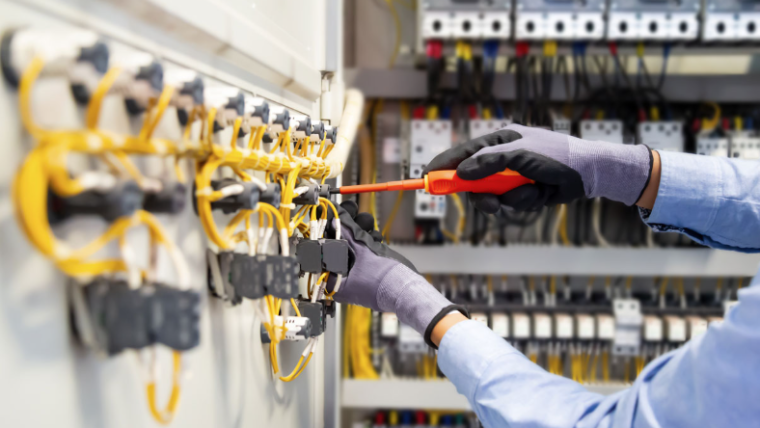
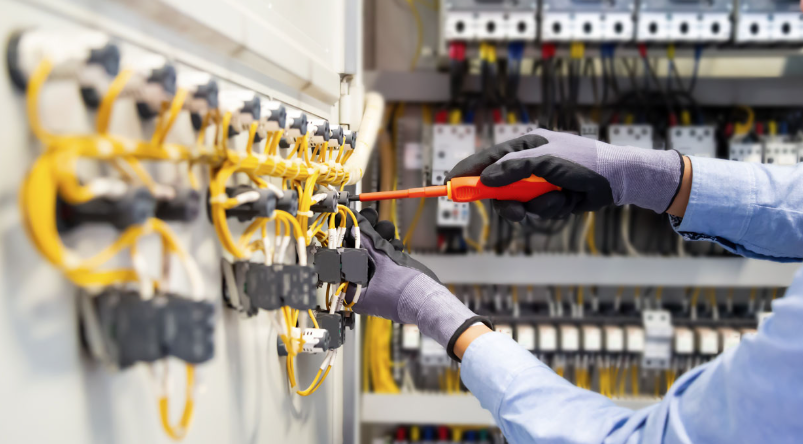
Professional help is especially important when a breaker trips frequently, immediately trips after being reset, or is accompanied by sparks, smoke, burning odors, buzzing, or visible damage. An electrician can inspect the panel, test circuits, examine connections, and identify potential faults.
Professional Electrical troubleshooting Longview, TX can also help determine whether the issue involves an overloaded circuit, faulty appliance, damaged wiring, ground fault, short circuit, or defective breaker.
Keep Your Electrical System Safe
Circuit breakers provide essential protection for homes and businesses. Occasional trips can happen when electrical demand temporarily exceeds a circuit’s capacity, but frequent trips should receive attention.
Understanding the possible causes can help you respond appropriately when a breaker shuts off. Instead of repeatedly resetting the same breaker, consider what may be causing the problem and seek professional assistance when necessary. Proper electrical troubleshooting can identify hidden issues and help keep your electrical system operating safely and reliably.