

Large forklifts are essential for handling oversized, heavy, or high-stacked loads in demanding warehouse environments. Renting a large forklift gives warehouse managers immediate access to high-capacity equipment without the long-term cost of ownership. It covers peak demand periods, special projects, and operational scaling — making it a practical, cost-efficient solution for facilities managing intensive material handling tasks.
If you manage a warehouse in Malaysia, you already know how quickly operational demands can outpace your equipment. Palletised goods stacked to ceiling height, oversized machinery components, steel coils, or bulk construction materials — these are not jobs for a standard unit. That is where big forklift rental becomes less of a convenience and more of a strategic necessity.
Why Standard Forklifts Fall Short in Heavy Warehouse Settings
A conventional forklift typically handles loads between 1.5 to 3 tonnes. That is sufficient for general warehouse tasks — moving boxed goods, loading pallets onto delivery trucks, or repositioning shelving inventory. But modern warehouse operations in Malaysia increasingly involve loads that go well beyond that range.
Facilities handling construction equipment, industrial machinery, or raw manufacturing materials regularly deal with loads of 5, 10, or even 15 tonnes. Deploying an undersized forklift in these settings is not just inefficient — it is dangerous. Equipment strain, load instability, and workplace accidents are direct consequences of mismatched machinery.
Heavy-duty forklifts — often with capacities from 5 to 25 tonnes — are specifically engineered for these scenarios. Their counterbalance design, reinforced mast structures, and high-torque engines are built for consistency under extreme load conditions.
Key Warehouse Tasks That Require Big Forklift Rental
Not every task requires a large unit, but some operations simply cannot proceed without one. Here are the scenarios where renting a large forklift makes the most operational sense:
- Loading and unloading heavy freight: Containers carrying industrial equipment or bulk raw materials often exceed standard handling capacity. A large forklift ensures fast, safe unloading without multiple trips or workarounds.
- High-rack placement: Warehouses with racking systems above 6 metres need extended-mast, high-capacity units to position loads accurately without risk of tip-over.
- Handling oversized or irregular loads: Steel beams, large machinery parts, and bundled pipes require both the lifting power and the stability frame that only heavy forklifts provide.
- Yard and outdoor operations: Rough-terrain or pneumatic-tyre heavy forklifts are better suited for outdoor yard work, which is common in Malaysian industrial and port-adjacent warehouses.
- Temporary project surges: Seasonal inventory peaks, warehouse expansions, or one-off project deliveries often demand temporary equipment upgrades — not permanent ones.
Big Forklift Rental vs. Purchase: What Makes More Sense?
This is a question most warehouse managers eventually face. Purchasing a heavy forklift means significant capital expenditure — a 10-tonne unit can cost well into the six-figure range in Malaysian Ringgit, plus ongoing maintenance, operator licensing costs, and storage considerations.
| Factor | Rental | Purchase
|
|---|---|---|
| Upfront Cost | Low — pay per use period | High — full capital outlay |
| Maintenance | Handled by rental provider | Your responsibility |
| Equipment Age | Access to newer models | Depreciates over time |
| Flexibility | Scale up or down easily | Fixed asset, limited flexibility |
| Downtime Risk | Replacement units available | Operational disruption if it breaks |
For most warehouses in Malaysia — especially those managing variable load volumes — rental is the smarter short-to-medium-term strategy. You preserve working capital, avoid maintenance headaches, and stay operationally agile.
How Rental Supports Operational Efficiency in Malaysian Warehouses
Malaysia’s logistics and warehousing sector has been expanding steadily, driven by e-commerce growth, increased manufacturing activity, and infrastructure development in the Klang Valley, Johor Bahru, and Penang industrial corridors. This means higher throughput demands, tighter delivery windows, and less tolerance for equipment downtime.
Renting a large forklift lets you respond to these pressures quickly. Need a 15-tonne unit for a three-week port clearance project? You can have it on-site without procurement delays. Running a campaign that requires extra warehouse capacity for 30 days? A rental contract scales with that need.
This kind of operational responsiveness is something even a well-resourced warehouse struggles to achieve with an owned fleet alone.
Operator Safety and Compliance Considerations
In Malaysia, forklift operations fall under the Occupational Safety and Health Act 1994 (OSHA) and the Factory and Machinery Act 1967. Operators must hold valid certification from DOSH (Department of Occupational Safety and Health). Reputable rental providers typically ensure that the equipment they supply meets DOSH safety standards and comes with up-to-date service records.
When renting, always confirm that the unit has a valid inspection certificate. This protects your warehouse from compliance risk and reduces liability exposure in the event of an on-site incident.
Choosing the Right Forklift Capacity for Your Load
Rental decisions should always start with a load assessment. Overestimating capacity wastes money; underestimating it creates safety risks. As a general guide:
- 3–5 tonnes: Heavy-duty pallet handling, dense boxed goods, large appliances
- 5–10 tonnes: Industrial machinery, construction materials, large structural components
- 10–25 tonnes: Heavy fabrications, port-side container handling, oversized engineering loads
A reliable rental provider will help you assess your load profile and recommend the right unit. Do not just go by the heaviest item — account for the load centre distance, height of lift required, and surface conditions in your facility.
Integrating Forklift Rental into Your Broader Warehouse Strategy
Savvy warehouse managers do not treat forklift rental as a reactive measure. They build it into project planning cycles, seasonal forecasts, and facility expansion timelines. This turns rental from a last-minute fix into a planned operational tool.
Some operations even combine equipment rental with an offline marketing strategy to promote new warehouse services or capacity expansions to industrial clients — using tools like flyer advertising to reach local B2B prospects. While that might sound old-fashioned, direct outreach through fast flyer printing and cheap flyer printing remains a practical tool in industrial areas where digital reach is limited. Physical materials distributed in industrial parks or logistics hubs still convert — especially for facility-level decision-makers who respond to tactile, direct communication.
The point is that operational tools — whether heavy equipment or marketing collateral — work best when planned, not improvised.
What to Look for in a Big Forklift Rental Provider in Malaysia
Not all rental companies offer the same level of support. Here is what to evaluate before signing a rental agreement:
- Fleet range: Does the provider offer multiple capacity options so you can right-size your rental?
- Maintenance support: Is breakdown support included? What is the response time if a unit goes down mid-operation?
- Flexible rental terms: Can you rent daily, weekly, or monthly without punishing contract penalties?
- Equipment condition: Are the units well-maintained, recently serviced, and DOSH-compliant?
- Delivery logistics: Can the provider deliver to your specific location in Malaysia’s industrial zones?
These criteria separate a genuinely useful rental partner from one that hands over equipment and disappears.
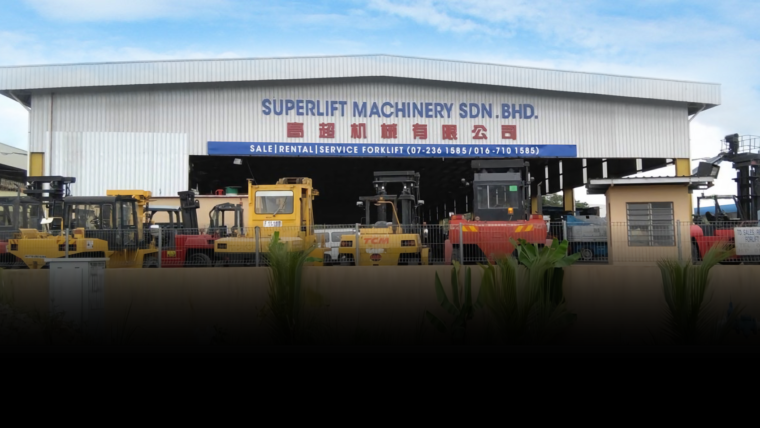
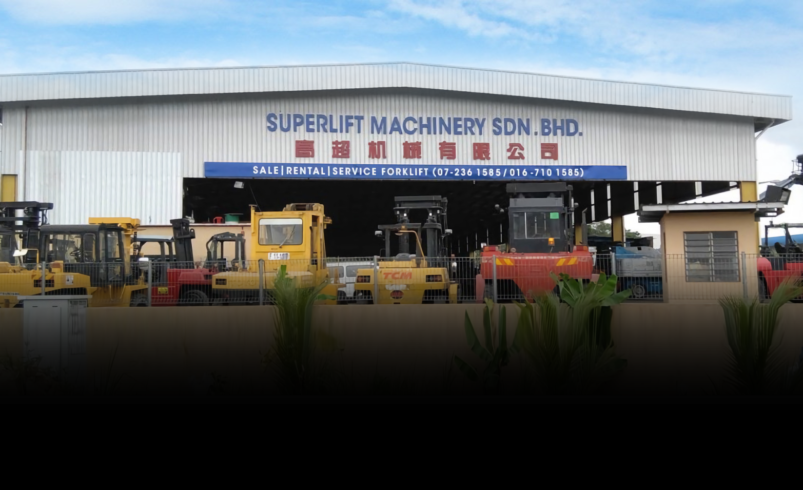
Big Forklift Rental For warehouse managers looking for a dependable heavy equipment rental partner in Malaysia, Superlift Machinery provides a wide range of large forklift options suited to industrial, construction, and logistics environments — with service-oriented support built into the rental process.
Frequently Asked Questions
What is the typical lifting capacity of a big forklift available for rental in Malaysia?
Heavy forklifts available for rental in Malaysia typically range from 5 to 25 tonnes of lifting capacity. The right choice depends on your load weight, lift height, and whether the operation is indoor or outdoor. Always consult your rental provider to match equipment specifications to your actual workload.
Is big forklift rental more cost-effective than buying for warehouse operations?
For most Malaysian warehouses with variable demand, rental is more cost-effective than purchasing. It eliminates capital expenditure, maintenance costs, and depreciation risk. Rental also gives you access to better-maintained, newer equipment without the overhead of ownership — particularly beneficial for short-term projects or seasonal surges.
What safety certifications should a rental forklift have in Malaysia?
In Malaysia, rental forklifts should comply with OSHA 1994 and the Factory and Machinery Act 1967. Equipment must carry a valid DOSH inspection certificate. Confirm with your rental provider that the unit is up to date on inspections before deploying it in your warehouse environment.
How long can I rent a large forklift for warehouse use?
Rental terms vary by provider, but most Malaysian heavy equipment rental companies offer daily, weekly, and monthly arrangements. Some providers accommodate longer-term contracts for extended projects. Choose a term that aligns with your project timeline to avoid unnecessary costs from underutilisation or short-notice extensions.
Can a big forklift be used in both indoor warehouses and outdoor yard operations?
Yes, but the right model matters. Indoor operations typically require electric or LPG counterbalance forklifts with smooth-tyre configurations. Outdoor and yard operations in Malaysian industrial sites benefit from diesel-powered, pneumatic-tyre units that handle uneven surfaces and higher load capacities effectively.