

Price and luxury get treated as interchangeable, but they’re not the same thing. A project can run into significant expense without ever feeling considered, and a genuinely well-designed luxury home isn’t defined by the size of the budget alone — it’s defined by a set of specific qualities that expensive materials alone don’t guarantee. Understanding this distinction matters before you start interviewing firms, because it changes what you should actually be evaluating.
Material Cost Isn’t the Same as Material Intention
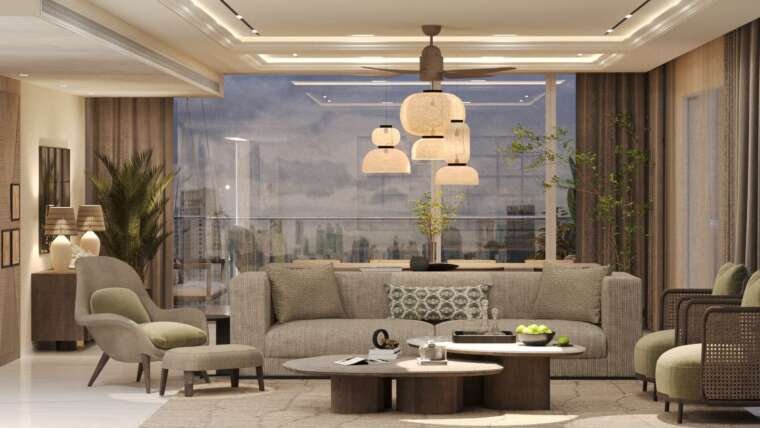
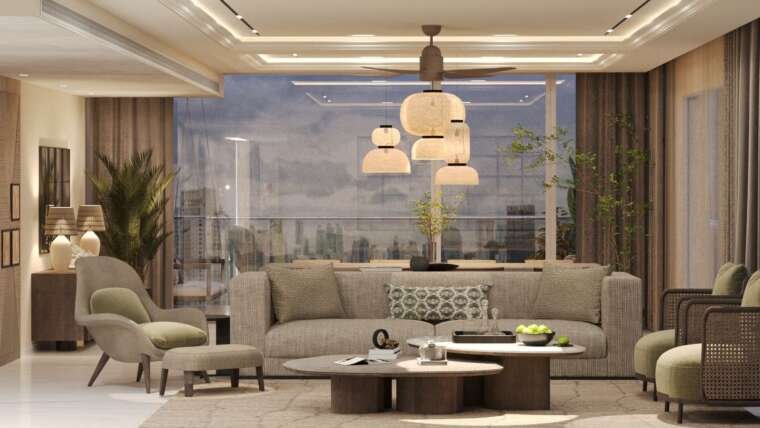
It’s easy to assume that luxury simply means premium materials — imported marble, solid wood, high-end fixtures. But material cost without intention often produces a home that feels assembled rather than designed. What actually signals luxury is material coherence — surfaces, textures, and finishes chosen to work together across a space, not selected individually for how impressive each one looks in isolation. A home interior design Gurgaon project built around a coherent material palette, even a restrained one, tends to read as more considered than one that mixes expensive elements without a unifying logic.
Space Itself Is Treated as a Material
One of the clearer markers of luxury design is restraint — rooms that aren’t filled to capacity, circulation space that isn’t sacrificed for extra furniture, and negative space used deliberately rather than treated as wasted square footage. This is often counterintuitive for homeowners investing significantly in a project, since there’s a natural instinct to fill a large budget with more furniture, more detail, more visible spending. The more disciplined approach usually produces the more luxurious result, because it signals confidence in the design rather than a need to justify the spend through visible volume.
Custom Work Over Off-the-Shelf, But With Reason
Luxury projects tend to lean heavily on custom carpentry and bespoke elements rather than modular or catalog pieces, but the value isn’t in “custom” as a label — it’s in solving specific spatial problems that off-the-shelf furniture can’t. A wardrobe built to the exact dimensions of an irregular wall, a lighting plan designed around a room’s specific proportions rather than a standard fixture count — these are custom decisions made for a reason, not custom work pursued for its own sake as a status marker.
Lighting Design Gets Disproportionate Attention
In genuinely well-executed luxury interiors, lighting is planned as its own discipline early in the process, not added as a finishing touch. Layered lighting — ambient, task, and accent sources working independently — changes how a space feels across the day in a way that furniture and finishes alone can’t replicate. A firm that treats lighting as an afterthought is usually not operating at the level luxury design actually requires, regardless of how premium the rest of the material palette looks.
Execution Quality Is Where Luxury Is Actually Tested
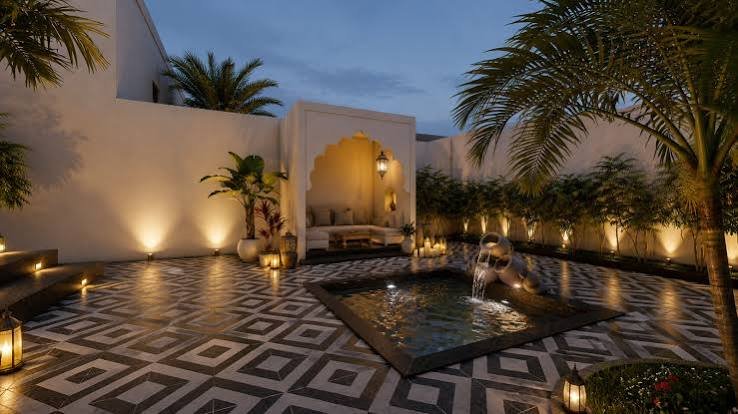
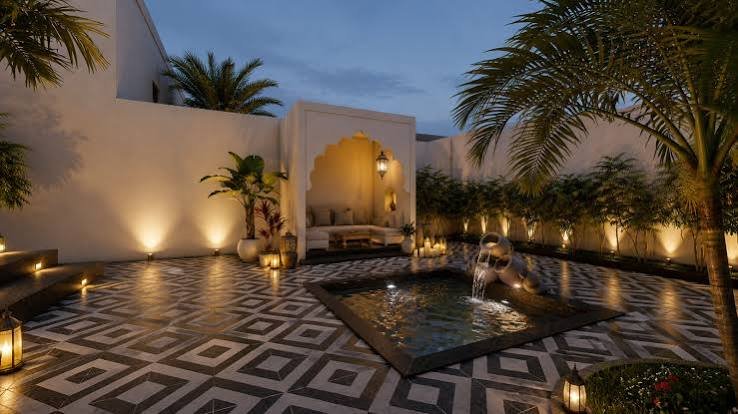
A luxury concept can look identical to a mid-range one in a rendering — the real difference shows up in execution. Seam alignment in stone work, hardware quality that holds up to years of daily use, finish consistency across a full space rather than just the areas photographed for a portfolio. This is where site supervision and vendor coordination matter more than they might seem to on paper; a firm with tight quality control during execution is what actually delivers on a luxury brief, not the initial concept presentation alone.
What This Means When You’re Evaluating Firms
Rather than judging a firm by how expensive their portfolio looks, ask about material reasoning, spatial restraint, and how closely they supervise execution against the original design. Case studies that show this level of thinking — like this one on luxury interior designers in gurgaon — tend to reveal more about actual design quality than a gallery of expensive-looking finished photos.
Luxury as an Approach, Not a Budget Line
The clearest sign of genuine luxury design isn’t the total project cost — it’s whether every decision, from material coherence to lighting to execution quality, was made with intention rather than simply scaled up in price. Chalk Studio approaches projects across Gurgaon’s apartments, builder floors, and villas with this same emphasis on intentional decision-making, regardless of a project’s specific budget tier.