
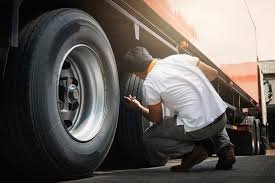

Fleet owners need to understand that passing a DOT inspection goes beyond saving money on fines. It keeps trucks on the road, keeps drivers safe, and makes it possible to maintain a good reputation among clients. Delaying DOT inspections or failing to inspect your vehicles for safety problems can cost you money in terms of lost operating time and even having the vehicle declared out of service. This is why most fleet owners use professional DOT inspection services in Orlando to ensure their vehicles comply all year round.
Why DOT Compliance Matters for Every Fleet
Commercial vehicles are subject to stringent safety rules to ensure the safety of drivers. Failure to adhere to such safety measures may cause numerous problems.
These include:
- Out-of-service violations
- Fines
- Delays in delivery
- Costly repairs
- Loss of customers
- Risks in insurance
- Decreased efficiency of the fleet
Instead of being caught unprepared for inspection, successful fleet management involves including compliance into their maintenance routine.
Understanding DOT Inspection Programs
The DOT inspection process is the systematic way by which one ensures compliance of the commercial vehicle all year round rather than just before conducting an inspection.
The successful implementation of the program involves:
- Vehicle inspection scheduling
- Preventive maintenance
- Maintenance of repair records
- Driver vehicle inspection
- Maintenance record keeping
- Maintenance compliance record keeping
This ensures that there are no surprises.
Schedule Inspections Before Deadlines Arrive
Leaving everything until the last minute is unnecessary. If inspections are scheduled in advance, then the technicians will have plenty of time to locate the problems and fix them before any compliance dates come up.
This would also be helpful for the fleet because it can:
- Organize maintenance around delivery times
- Prevent emergencies
- Decrease the time that the vehicles are down
- Increase shop efficiency
- Keep accurate service records
A planned inspection schedule keeps operations organized while reducing stress for fleet managers and drivers.
Focus on High-Risk Safety Components
Some vehicle systems are closely examined during DOT inspections since they have an impact on safety.
Inspections must encompass:
- Braking systems
- Steering systems
- Suspension systems
- Tires and wheels
- Lanterns
- Wipers
- Mirrors
- Coupling devices
- Air brake systems
- Emergency equipment
Early recognition of worn/damaged parts would ensure that they can be repaired before failing DOT inspections.
Keep Accurate Maintenance Records
Good documentation is just as important as quality repairs.
The maintenance documentation will show that trucks get routine inspections and necessary repairs.
Good documentation includes:
- Date of inspection
- Past repairs
- Preventive maintenance
- Parts replacement
- Technician reports
- Driver inspection reports
This makes compliance easier and helps fleet management understand repetitive maintenance problems.
Encourage Daily Driver Inspections
Drivers are the first line of defense against mechanical problems.
Daily pre-trip and post-trip inspections help identify issues before vehicles begin their routes.
Drivers should routinely check:
- Tire condition
- Brake performance
- Lights
- Mirrors
- Air leaks
- Fluid leaks
- Coupling equipment
- Trailer connections
Reporting problems immediately allows maintenance teams to make repairs before they affect compliance or safety.
Preventive Maintenance Supports Compliance
Many DOT inspection failures result from maintenance that was delayed for too long.
Routine preventive maintenance helps reduce inspection failures by addressing problems before they become serious.
Preventive maintenance typically includes:
- Oil and filter changes
- Brake inspections
- Tire rotations
- Battery testing
- Fluid inspections
- Belt and hose evaluations
- Suspension inspections
When preventive maintenance becomes part of normal fleet operations, DOT inspections become much easier to pass.
Mobile DOT Inspections Improve Efficiency
Taking multiple trucks to an inspection facility can interrupt operations and reduce productivity.
Mobile inspection services allow qualified technicians to perform inspections at fleet yards or customer locations whenever possible.
This approach offers several benefits:
- Less vehicle downtime
- Reduced travel time
- Easier scheduling
- Faster repairs when needed
- Minimal disruption to fleet operations
Epika Fleet offers mobile inspection and maintenance support that helps fleets complete required inspections more efficiently while keeping trucks available for scheduled deliveries.
Prepare for Seasonal Inspection Challenges
Changing weather conditions affect commercial vehicles throughout the year.
Seasonal maintenance should include inspections of:
- Cooling systems before summer
- Heating systems before winter
- Tires for changing road conditions
- Batteries during temperature extremes
- Wiper blades before rainy seasons
- Lighting systems during shorter daylight hours
Seasonal inspections reduce unexpected failures while supporting year-round compliance.
Partner With Experienced DOT Inspection Professionals
Managing compliance becomes more challenging as fleets grow.
Working with experienced inspection professionals provides several advantages:
- Knowledge of current DOT requirements
- Consistent inspection schedules
- Faster identification of safety issues
- Preventive maintenance recommendations
- Repair coordination
- Better maintenance documentation
Epika Fleet works with commercial fleets to simplify compliance by combining inspections, preventive maintenance, and repair services into one coordinated maintenance strategy.
Final Thoughts
Staying ahead of DOT compliance deadlines requires more than checking boxes before an inspection. It takes consistent planning, preventive maintenance, accurate recordkeeping, and timely repairs. Fleets that invest in proactive inspection programs experience fewer breakdowns, better safety performance, and lower long-term operating costs.
For companies looking to improve compliance and keep trucks moving, professional DOT inspection services in Orlando provide dependable support throughout the year. With experienced technicians, mobile service capabilities, and preventive maintenance programs, Epika Fleet helps commercial fleets reduce downtime, meet inspection requirements, and stay focused on delivering freight safely and efficiently.