
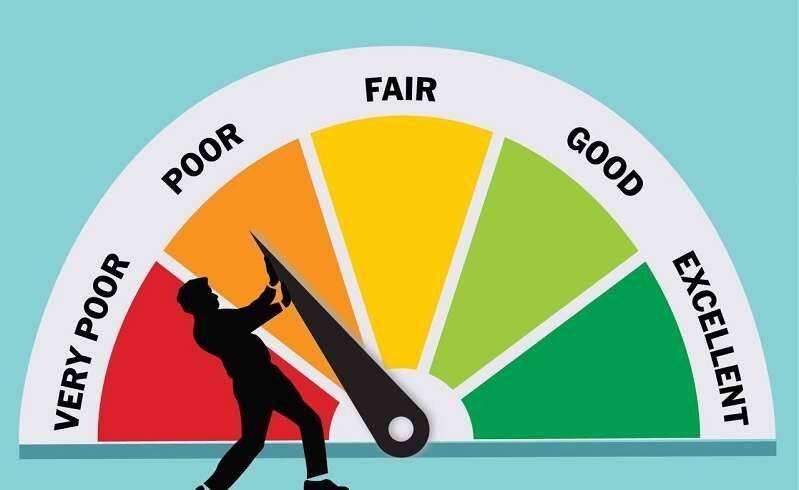

Financial setbacks can happen to anyone. When you come across an emergency, you need instant access to cash. It is not always possible to have sufficient savings to fall back on. If you are struggling with a low credit history, getting approval for a loan is not a cinch. Most lenders doubt repayment capacity and therefore restrict a loan amount and charge high interest rates.
However, it is not meant to deter you from applying for bad credit loans. Experts recommend exercising caution. Bad credit loans have been designed to help borrowers with less-than-perfect credit history to access funds during emergencies. It is vital to understand what deal you are actually being offered. While these loans may sound like a lifesaver, they can also become a burden if you don’t evaluate them carefully.
Key factors to check before getting a bad credit loan
Here are the key factors that you should check before getting a bad credit loan:
- Interest rates and APRs
The most important factor to consider is interest rates. Loans in Ireland with bad credit from a direct lender come with significantly higher interest rates compared to those for good-credit borrowers. Bad credit borrowers are considered risky, and therefore lenders charge higher interest rates to offset the default risk.
It is essential that you focus on the annual percentage rate (APR) rather than just the interest rate. The APR represents the annual cost of borrowing, which includes both fees and interest rates. Even if your loan term is shorter than one year, the cost is still calculated using the APR, meaning your payments reflect that annualized rate over the period you borrow.
You should always compare APRs across lenders and credit unions as this will help you choose the lowest possible interest rate. Even a small difference in an APR can save you hundreds or thousands of Euros.
- Loan terms
Another important factor you need to check is loan terms. The length of time you have to repay the loan can significantly affect your monthly payments and overall cost.
If you choose a shorter repayment period, the size of monthly repayments will be larger, but overall interest paid will be less.
If you choose a longer repayment period, the size of monthly repayments will be smaller, but overall interest paid will be quite high.
It is essential that you choose a repayment period that is neither too short nor too long. Don’t stretch the loan longer than necessary just to lower monthly repayments.
- Fees and hidden charges
There are various types of fees that lenders charge. Some fees are revealed during the approval process, but others remain hidden. The exact fee structure is disclosed in a loan agreement. Therefore, it is suggested that you read the fine print carefully.
Common fees include:
- Origination fees: this is a one-off cost.
- Late payment fees: penalties are charged if you miss a due date.
- Prepayment penalties: some lenders charge you for paying off the loan early.
It is worth noting that there may be upfront charges. All these charges make a loan much more expensive than it appears.
Always read the fine print to know how much money is going towards interest and how much towards fees. A loan with fewer fees might actually be cheaper in the long run.
- Lender’s reputation
It is essential that you carefully examine the lender’s reputation. Not all lenders are registered. There are some lenders who target subprime borrowers to make money. They charge very high interest rates to trap such borrowers into an ongoing cycle of debt. You can avoid these lenders by choosing a registered lender.
While choosing a lender, you should carefully check the registration details of a lender. Check reviews and look for feedback from other borrowers. Be wary of lenders who make outlandish claims such as guaranteed approval.
- Collateral
Bad credit loans can be either secured or unsecured. Secured loans require collateral such as your car or home. These often have lower interest rates because lenders can repossess the secured asset in case of default.
Unsecured loans, however, on the other hand do not require collateral, but they come with higher interest rates.
While choosing between these two types of loans, you will have to assess your comfort with risking an asset.
- Impact on your credit score
Borrowers often overlook the impact of bad credit loans. If the loan amount is above €500, lenders will run hard inquiries, which will show up on your credit record for two years. Make sure that you do not apply to multiple lenders in a short period of time because this will damage your credit history.
If you miss payments, late payment charges will be levied, and missed payments will be reported to the Central Credit Register (CCR). This will worsen your credit history, lowering your chances of getting approval for a loan down the line.
However, if you make repayments on time, it will have a positive impact on your credit score. If the loan amount is less than €500, you cannot see any credit score improvement despite on-time repayments.
- Your overall financial situation
Before taking out a bad credit loan, you should evaluate your overall financial condition. Ask yourself whether you actually need money. Sometimes, cutting back on your regular expenses proves to be a great solution to manage without borrowing.
Explore alternatives. Credit unions, peer-to-peer lending, or borrowing from family may be safer alternatives than a bad-credit loan from direct lenders. Make sure you can afford monthly payments without sacrificing essentials.
The bottom line
A loan should be a tool to help tide you over when cash is tight, not a trap that drags you deeper into debt. Therefore, it is vital that you carefully research the market. Try to compare deals offered by several lenders to ensure that you get the most affordable deal.
Choose a registered lender to borrow money. You can also contact a broker to get bad credit loans. They will connect you with responsible lenders whose criteria you easily meet.