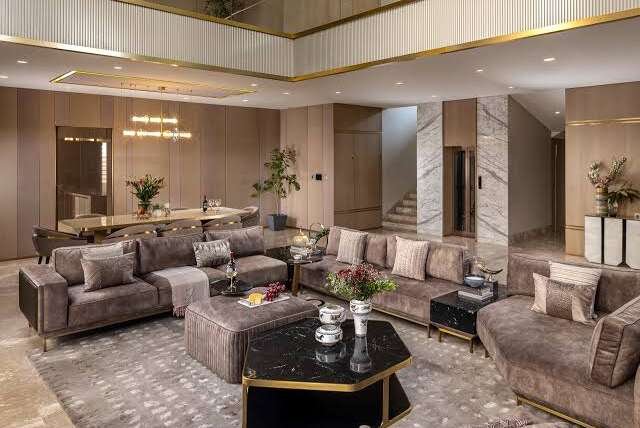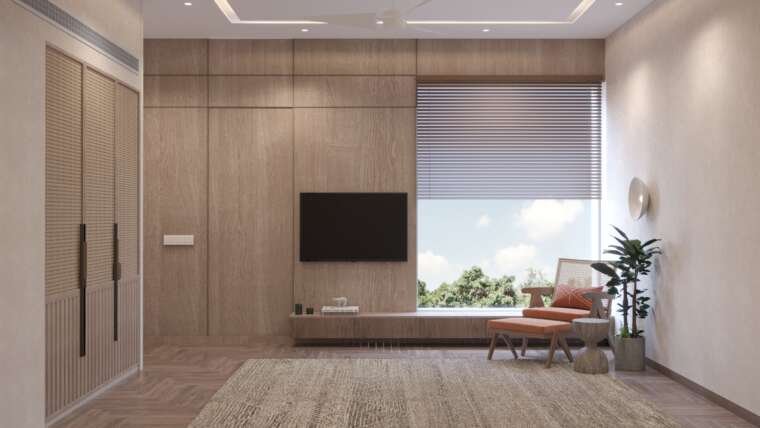


A beautiful interior can hide poor planning for a while. A badly planned interior cannot.
That is why choosing an interior design company should involve more than scrolling through project photographs or comparing how polished different websites look. The real question is whether the designer can turn your requirements into a space that works comfortably every day.
For homeowners and businesses, the right choice usually comes down to how well a design team understands the brief, manages practical constraints, communicates ideas, and connects aesthetics with functionality.
Start With the Way You Use the Space
Before comparing designers, define the experience you want from the finished space.
For a home, this might mean understanding how the family uses the living room, whether storage is a major concern, how much privacy bedrooms require, or whether the kitchen needs to accommodate frequent cooking. For an office, the priorities may involve circulation, workstations, meeting areas, lighting, storage, and employee comfort.
This distinction matters because two spaces of the same size can require completely different design solutions.
A designer who begins by asking questions about your routine is more likely to develop a plan around actual needs rather than simply applying a visual style.
Look Beyond the Portfolio
A portfolio is useful, but photographs only show the final layer of a much larger process.
When evaluating an interior design company, look for evidence of thinking behind the visuals. Consider whether the projects demonstrate:
- Thoughtful space planning
- Practical storage solutions
- Appropriate material selection
- Cohesive lighting
- Functional circulation
- Attention to proportions
- Consistent detailing
- A balance between aesthetics and everyday usability
It is also worth asking whether the designer’s approach can adapt to different lifestyles and requirements. A strong design process should not make every project look identical.
The objective is not to find a designer whose previous project you want to copy. It is to find someone capable of understanding what made that project successful and translating the underlying principles into your own space.
The Brief Should Become a Design Strategy
One of the clearest signs of a thoughtful design process is what happens after the initial consultation.
Your requirements should gradually become a structured design brief. That brief may include spatial priorities, preferred aesthetics, functional requirements, material preferences, storage needs, lighting considerations, and practical limitations.
This is where professional planning becomes valuable.
For example, a request for a “minimalist living room” is not enough on its own. The designer needs to understand how many people use the room, what furniture is required, whether the room connects to another space, how much storage is necessary, and what atmosphere the homeowner actually means by minimalist.
The same principle applies to commercial interiors. A visually impressive office that creates awkward movement or insufficient storage is not necessarily a successful workplace.
Ask How Decisions Are Made
Good interior design involves hundreds of small decisions. The important thing is not simply who makes them, but whether there is a clear reason behind them.
Ask prospective designers how they approach:
Space planning: How are areas allocated before furniture and finishes are selected?
Materials: How are materials chosen for appearance, durability, maintenance, and suitability?
Lighting: Is lighting considered as part of the overall design rather than added at the end?
Storage: Is storage integrated into the layout without overwhelming the room?
Budget priorities: When compromises are necessary, how are the most important elements protected?
Revisions: How are changes to the proposed design handled?
These questions reveal much more about a design firm’s working method than a portfolio alone.
Gurgaon Projects Need Context-Sensitive Planning
In a rapidly developing city such as Gurgaon, residential and commercial spaces can vary significantly in layout, scale, building configuration, and intended use. A design solution that works perfectly in one property may not translate directly to another.
That makes local understanding useful, but location alone should not determine the choice.
If you are comparing options, explore how a best interior design company approaches space planning, aesthetics, materials, and practical requirements rather than judging the firm solely by its visual style.
The destination should be a useful part of the research process: it should help you understand the type of design thinking being applied rather than simply confirm that a company offers interior services.
Pay Attention to the Details People Usually Notice Last
Some design decisions become obvious only after the space is being used.
Door clearances, switch positions, storage access, furniture proportions, lighting placement, circulation paths, countertop heights, and maintenance requirements can all influence everyday comfort.
These details may not dominate a portfolio image, but they can have a significant impact on how the finished interior feels.
A useful evaluation question is simple: Does the proposed design look good because of decoration, or does it work well because the underlying planning is strong?
Ideally, the answer should be both.
The Best Choice Is Not Always the Most Elaborate One
An expensive-looking interior is not automatically a well-designed interior.
Good design is often about deciding where complexity is worthwhile and where simplicity creates a better result. One project may benefit from a strong material feature; another may need better storage or improved circulation instead.
The designer’s role is therefore partly about prioritisation.
When reviewing proposals, look for a clear relationship between your requirements and the design decisions being recommended. If every suggestion feels decorative but few address how the space will actually function, that is worth questioning.
A Simple Way to Compare Your Shortlist
Instead of asking only, “Which company looks best?”, compare candidates across five practical areas:
| Area | What to evaluate |
|---|---|
| Understanding | Do they ask meaningful questions about your requirements? |
| Planning | Is the layout practical before decorative choices are made? |
| Design | Does the visual direction suit your preferences and space? |
| Communication | Is the design process explained clearly? |
| Practicality | Do materials, storage, lighting, and circulation make sense? |
This approach shifts the decision from impression to evidence.
Ultimately, a successful interior is not defined by how closely it resembles a showroom. It is defined by how naturally the space supports the people who use it.
That is the standard worth applying when choosing a designer: look past the finished photograph and examine the thinking that made the space work.