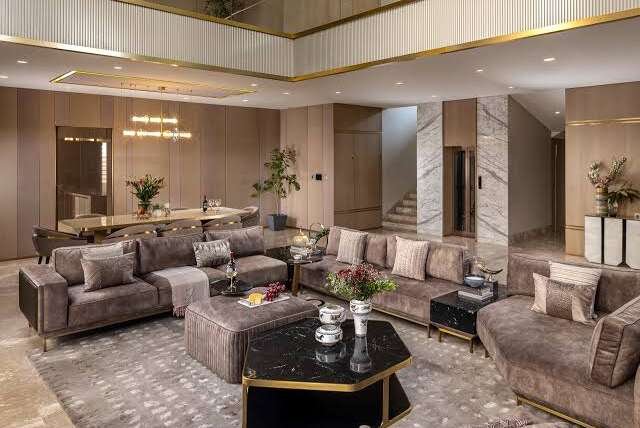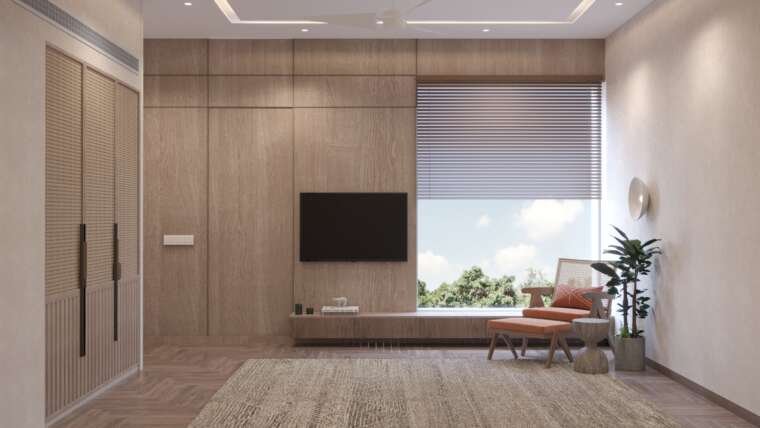

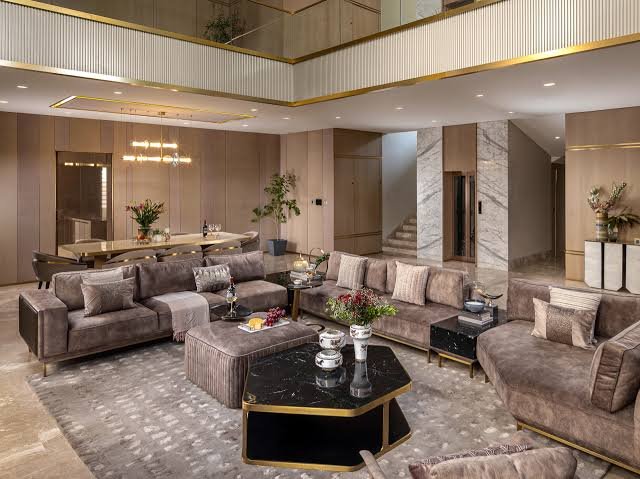

A home can be expensive, beautifully furnished, and still feel strangely incomplete. The difference often lies in the decisions that connect everything together: how rooms flow into one another, where storage is placed, how natural light is used, and whether the design reflects the people living there.
That is why finding the right designer is less about choosing the most impressive-looking portfolio and more about finding a team that can translate your lifestyle into a practical design language.
Start With Your Life, Not a Style Board
Before selecting a designer, think about what actually happens inside your home.
Do you host guests regularly? Do you need a quiet work corner? Is the kitchen used heavily every day? Does the family need additional storage? Are there children or older family members whose needs should influence circulation and furniture choices?
These questions may sound unrelated to aesthetics, but they form the foundation of good residential design.
A designer can then build the visual direction around those requirements instead of forcing the household into a predetermined style.
What Should You Expect From a Residential Designer?
A residential interior project involves considerably more than selecting furniture, colours, and decorative pieces.
A well-considered design may address:
- Space planning and room proportions
- Furniture layouts and movement
- Storage requirements
- Lighting and electrical planning
- Flooring and wall treatments
- Kitchen and wardrobe functionality
- Material selection
- Colour and texture relationships
- Decorative detailing
- Practical maintenance considerations
The best results usually come from treating these elements as connected decisions.
For instance, a wardrobe is not simply a storage unit. Its location can influence circulation, lighting, furniture placement, and even how spacious a bedroom feels.
Look for Personalisation in the Design Process
One useful way to assess potential designers is to observe how much they want to know about you.
A strong consultation should go beyond questions about preferred colours or whether you like contemporary or traditional interiors. The designer should be interested in how you live.
Your morning routine, entertaining habits, storage problems, work requirements, preferred materials, and long-term expectations can all influence the final design.
This is particularly relevant when exploring the best interior designers for home in Gurgaon. Rather than looking for a space that simply resembles a reference photograph, homeowners should look for a design approach capable of adapting the idea to their own property and lifestyle.
A Beautiful Room Still Has to Work
Photography can make almost any room look impressive. Everyday life is a much tougher test.
Imagine a living room with beautiful furniture but insufficient walking space. Or a kitchen with elegant finishes but inconvenient storage. Or a bedroom where decorative lighting looks attractive but does not provide useful illumination for reading or dressing.
These are design problems, not decorating problems.
When reviewing a proposed interior, ask practical questions:
Can people move through the room comfortably?
Is frequently used storage easy to access?
Does the lighting support different activities?
Are materials appropriate for the amount of use they will receive?
Will the design still make sense after the novelty wears off?
A home should look considered, but it should also feel effortless to use.
The Gurgaon Context Matters
Residential interiors in Gurgaon can range from compact apartments to expansive independent homes, each presenting different planning challenges. The right approach depends on the property’s architecture, available space, natural light, family requirements, and expected use.
This is why copying a design from another home rarely produces the same result.
A good designer studies the specific property before deciding how an aesthetic should be translated into it. The same contemporary palette, for example, can produce very different outcomes depending on ceiling height, window placement, room proportions, and existing architectural elements.
Local experience can be helpful, but thoughtful site-specific planning matters more than simply knowing the city.
Materials Should Serve the Design
Material selection is one of the areas where visual appeal and practicality have to meet.
Wood, stone, laminates, fabrics, metals, glass, paint finishes, and other surfaces each bring different characteristics. The right selection depends on where a material is being used, how frequently it will be touched or exposed to wear, how easily it can be maintained, and how it works with the rest of the palette.
A sophisticated interior does not necessarily require the most expensive material in every location.
Sometimes restraint creates a stronger result: a carefully selected feature material supported by quieter surfaces can provide more visual balance than filling every room with competing finishes.
Good Design Leaves Room for Change
Homes evolve.
Furniture gets replaced, families grow, working patterns change, and new possessions accumulate. A residential design that anticipates some of this flexibility is often more useful than one designed solely for a perfect photograph on completion day.
Consider whether built-in elements are practical for the long term. Think about whether furniture can be rearranged. Check whether storage has enough flexibility and whether the overall palette can accommodate future changes.
The goal is not to predict everything that might happen. It is to avoid designing a home that becomes difficult to live with once circumstances change.
Choosing a Designer Is Really Choosing a Process
The most useful question is not simply, “Who has the most beautiful projects?”
Ask instead:
Who understands how I live?
Who can explain the reasoning behind the design?
Who balances visual character with everyday practicality?
Who pays attention to details that will matter six months after completion?
Who can turn my requirements into a coherent space rather than a collection of attractive objects?
Those questions lead to a much more meaningful comparison.
A successful home interior should feel like it belongs to its residents—not like a showroom assembled around a trend. When planning, materials, functionality, personal preferences, and visual character are brought together thoughtfully, the result can remain comfortable and relevant long after the initial reveal.