

Traveling with a furry companion demands smart planning, reliable safety equipment, and an absolute commitment to comfort. Whether making a routine trip to the local veterinary clinic, taking a weekend road trip across the country, or flying to a vacation destination, securing your pet properly ensures complete peace of mind. A sturdy medium dog carrier offers a cozy sanctuary that protects your dog from travel anxiety while keeping them safe on the move. Selecting the best model involves comparing structural materials, interior dimensions, airflow capability, and ergonomic handling features to build an effortless travel routine.
Why a Dedicated Medium Dog Carrier Is Essential for Travel
Canines rely heavily on predictable routines and familiar environments. Sudden vehicular movements, loud traffic, and crowded public spaces can easily cause stress or unpredictable behavior. A well-designed medium dog carrier satisfies your pet’s natural denning instinct, providing a private, reassuring space to rest during long journeys.
Physical protection remains the single most critical reason to secure your pet during transit. An unrestrained dog inside a moving automobile creates dangerous distractions for the driver and faces severe risk of injury during sudden braking or sharp turns. Securing your pet inside a robust enclosure limits movement, absorbs shock forces, and keeps everyone inside the vehicle safer. Furthermore, commercial airlines, passenger rail services, and lodging establishments enforce strict containment rules. Owning a compliant transport enclosure keeps you fully prepared for any trip while guaranteeing your pet’s ongoing comfort.
Essential Construction Features to Inspect Before Purchase
Not all transport units offer equal structural protection, airflow efficiency, or everyday convenience. Evaluating core construction details ensures you select gear that delivers long-term performance.
Hard-Shell vs Soft-Sided Enclosures
The ideal construction material depends entirely on your primary travel method and your dog’s temperament:
-
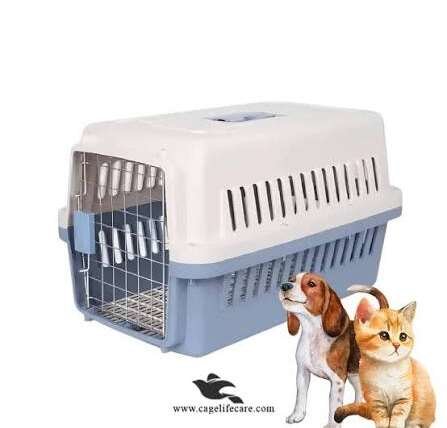
Hard-shell containers utilize thick, impact-resistant plastic compounds that offer maximum structural integrity and easy sanitation. These models excel during car travel, home crate training, and airline cargo transport.
-
Soft-sided units feature heavy-duty nylon or polyester canvas stretched over flexible frames. These lightweight options provide extra flexibility, cozy interior padding, and compact storage, making them perfect for airline cabin travel and brief automobile trips.
Airflow and Ambient Temperature Control
Sustained air circulation keeps internal temperatures balanced and prevents dangerous heat buildup. Look for designs featuring strong mesh paneling on multiple sides or multi-directional ventilation grates. Proper visibility also helps reduce confinement anxiety by letting your pet keep sight of their surroundings.
Entry Access and Heavy-Duty Fastenings
Multiple entry points, including top-loading and side-loading doors, make coaxing an anxious dog inside far easier. Ensure all closures feature reinforced zippers with safety clips or heavy-duty spring latches that clever paws cannot open from the inside.
Ergonomic Carrying Straps and Transport Handles
Carrying a medium-sized dog requires solid physical support for the handler. Seek out padded shoulder straps, dual top handles, or smooth-rolling caster wheels to ease physical strain when navigating airport terminals, train platforms, or parking structures.
Measuring Your Dog for a Perfect Fit
Choosing correct interior dimensions prevents discomfort and maintains safety during transit. An oversized enclosure permits excessive movement during sudden stops, whereas an undersized unit restricts natural posture and causes physical distress.
Height and Length Guidelines
To pinpoint the right medium dog carrier size, measure your dog while they stand naturally on a level surface:
-
Total Body Length: Measure from the tip of the nose straight to the base of the tail. Add two to four inches to this figure to determine the minimum required interior length.
-
Natural Standing Height: Measure from the floor to the highest point of the head or ears. Add two inches to ensure your pet can stand fully upright without crouching.
Factoring in Weight Capacity and Physical Build
Always cross-reference your measurements with the manufacturer’s maximum weight recommendations. Medium-sized breeds typically weigh between fifteen and forty pounds, but physical proportions vary widely. A tall, slender breed like a Whippet requires different vertical space than a compact, stocky breed like a Beagle of similar weight.
Selecting high-quality equipment from dedicated specialists guarantees lasting safety and everyday convenience. Pet Carrier UK offers an exceptional selection of premium transport options crafted to meet rigorous travel standards, combining durable materials, effective airflow, and user-friendly features so owners can explore the world alongside their pets with absolute peace of mind.
How to Acclimate Your Dog to Travel Gear
Never force an untrained dog into a travel enclosure right before a major journey. Patience and positive reinforcement transform the travel unit into a welcomed retreat.
Step-by-Step Acclimation Routine
Introduce the new enclosure several weeks before any planned departure using a structured routine:
-
Place the open container in a central living area with the door safely secured open.
-
Put favorite chew toys, familiar blankets, or high-value treats inside to encourage voluntary entry.
-
Allow your pet to enter and exit freely without closing the door during early interactions.
-
Serve regular daily meals inside the container to build strong positive connections.
-
Close the door briefly while your pet eats, slowly extending the duration over several days.
Practice Trips and Short Drives
Once your dog rests comfortably inside the stationary unit, introduce brief vehicle outings. Start with a quick drive around the block, offering praise immediately afterward. Slowly increase trip lengths to help your pet adapt to motion, engine sounds, and turning forces.
Routine Maintenance and Cleaning Guidelines
Keeping your travel equipment clean extends its usable life and provides a hygienic environment for your pet.
Washing Interior Fabric and Exterior Shells
Regularly launder removable interior fleece pads using mild, unscented detergent to eliminate loose fur and odor. Wipe down rigid plastic shells or synthetic fabrics with warm water and pet-safe soap. Avoid harsh chemical cleaners or strong perfumes, as dogs possess sensitive olfactory senses that react poorly to chemical fumes.
Conducting Pre-Trip Inspections
Inspect all zippers, seams, straps, and locking latches prior to leaving home. Repair or replace any compromised components right away to prevent accidental escapes or equipment failures during your trip.
Ready for Safe and Stress-Free Adventures
Selecting the ideal medium dog carrier transforms travel from a stressful chore into an enjoyable bonding experience. By measuring accurately, picking well-ventilated materials, and practicing patience during acclimation, you ensure your dog stays secure and content on every adventure.