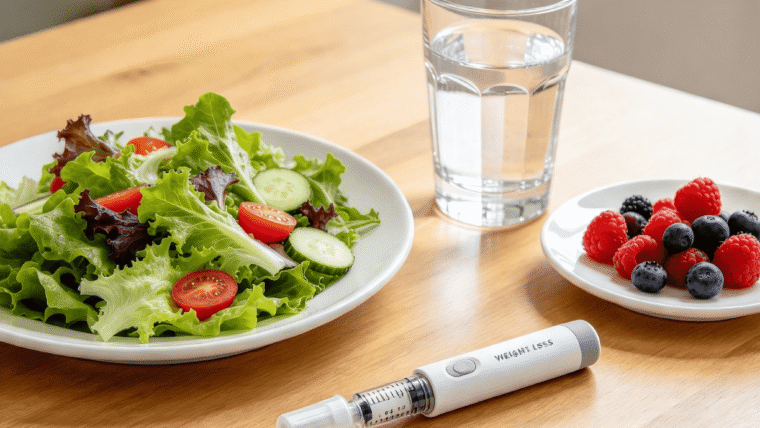


Oral GLP-1 weight loss treatments are expanding the options available to people seeking medically supported weight management in the UK. While GLP-1 medicines are commonly associated with injections, oral formulations can target similar appetite-related pathways without requiring patients to inject their medicine.
The convenience of a tablet, however, does not make treatment suitable for everyone. Different oral medicines have their own active ingredients, dosing instructions, evidence and safety considerations. Understanding these differences is essential before deciding whether an oral approach could form part of an appropriate weight-management strategy.
How Do Oral GLP-1 Weight Loss Treatments Work?
GLP-1, or glucagon-like peptide-1, is a naturally occurring hormone involved in appetite, digestion and blood glucose regulation.
It is released after eating and contributes to signals that tell the brain food has been consumed. Medicines targeting this pathway can strengthen feelings of satiety, helping some people feel satisfied after eating less.
The MHRA’s guidance on GLP-1 medicines explains that these treatments mimic the action of a natural hormone released after food intake and can help people feel fuller.
When appetite decreases consistently, maintaining an appropriate calorie deficit may become easier. Weight loss can then develop progressively over time.
Why Are Oral Treatments Different From Injections?
The clearest difference is the route of administration.
Injectable GLP-1 medicines are delivered into the tissue beneath the skin. Oral medicines are swallowed and must pass through the digestive system before the active ingredient becomes available to the body.
That distinction can influence dosing frequency and administration requirements.
Some tablets may need to be taken under specific conditions to achieve reliable absorption. Other newer oral medicines are designed differently and may have less restrictive administration requirements.
For this reason, “tablet” should not be treated as a single category. Patients need to understand the instructions for the particular medicine they have been prescribed.
Why Can Absorption Matter With GLP-1 Tablets?
Peptide medicines can be difficult to deliver orally because the digestive system is designed to break proteins and peptides down.
Semaglutide is a peptide. Oral formulations therefore require technology that helps enough of the medicine survive the gastrointestinal environment and cross into the bloodstream.
This can make administration instructions particularly important.
Taking an oral medicine incorrectly could alter how much of the active ingredient is absorbed. Patients should therefore follow the medicine-specific instructions provided by their prescriber and patient information leaflet rather than assuming every tablet can simply be taken with breakfast or alongside other medicines.
Are All Oral GLP-1 Medicines the Same?
No.
Medicines grouped together because they influence the GLP-1 pathway can differ considerably in their chemical structure and pharmacology.
Some are peptide-based medicines, whereas newer treatments can be small molecules designed to activate the GLP-1 receptor through a different approach.
These differences may affect absorption, dosing and how the medicine is taken.
The mechanism also matters when interpreting research. Results from one medicine cannot automatically be transferred to another simply because both influence GLP-1 signalling.
Patients should therefore assess the specific medicine being considered rather than relying on broad claims about “GLP-1 pills”.
How Can Oral GLP-1 Treatment Affect Appetite?
The primary weight-management benefit comes from changes in appetite and satiety rather than directly burning body fat.
When GLP-1 signalling is enhanced, some people experience less hunger between meals and feel satisfied after smaller amounts of food.
This may make an appropriate reduction in calorie intake easier to sustain.
However, appetite response varies. Some people experience a substantial change, while others notice a more modest effect.
Medication should not be used with the objective of eliminating hunger completely. Hunger is a normal biological signal, and adequate nutrition remains important even when appetite is reduced.
Who May Be Suitable for Oral Weight Loss Medication?
Suitability depends on more than whether someone prefers tablets to injections.
A prescriber needs to consider the medicine’s licensed indication and eligibility requirements alongside the patient’s health circumstances.
Assessment can include:
- BMI and weight history
- weight-related medical conditions
- current prescription medicines
- previous weight-management treatment
- gastrointestinal health
- diabetes and blood glucose treatment
- pregnancy or plans for pregnancy
- previous adverse reactions
- ability to follow the dosing instructions
The NHS guidance on obesity treatment explains that prescription weight-management medicines may be considered for eligible patients alongside dietary and physical activity changes.
A tablet should therefore be regarded as medical treatment rather than an over-the-counter slimming aid.
Are Oral Treatments Better for People Who Dislike Needles?
Avoiding injections can be an important practical advantage for some patients.
Needle anxiety or discomfort with self-injection may make an oral treatment feel more manageable. Tablets may also fit more naturally into an existing medication routine.
Convenience, however, needs to be considered alongside adherence.
A medicine taken daily can be easier to forget than one administered less frequently. Some oral treatments can also have specific instructions concerning food, water or timing.
The most convenient treatment is therefore the one that is both clinically appropriate and realistically manageable for the individual.
Are Oral GLP-1 Medicines as Effective as Injections?
The route of administration alone cannot determine effectiveness.
Weight-loss outcomes depend on the active ingredient, dose, duration, adherence and characteristics of the people included in the research.
Some oral GLP-1 medicines have demonstrated substantial weight reductions in clinical studies. Injectable treatments have also produced meaningful results in large trials.
However, percentages from separate studies should be compared cautiously. Trials can differ in duration, participant characteristics, treatment protocols and other important factors.
A larger headline percentage does not automatically make a medicine more suitable for a particular patient.
Clinical decisions should consider evidence alongside safety, tolerability and individual health circumstances.
How Long Does Oral Treatment Take to Work?
Weight-management medicines are not expected to transform body weight within a few days.
Changes in appetite may appear earlier than major changes on the scales, while meaningful weight reduction usually develops over a longer period.
Some medicines also use gradual dose increases. Starting with a lower dose can allow the body to adjust before progressing towards a maintenance dose.
This process should follow the medicine’s approved dosing schedule and prescriber instructions.
Increasing a dose more quickly in an attempt to accelerate weight loss can increase side effects and should not be done without clinical guidance.
What Side Effects Can Occur?
Medicines acting on GLP-1 pathways commonly affect the gastrointestinal system.
Possible symptoms can include:
- nausea
- diarrhoea
- vomiting
- constipation
- abdominal discomfort
- reduced appetite
The MHRA advises patients using GLP-1 medicines to understand their potential side effects and seek healthcare advice when necessary.
Digestive symptoms can be particularly relevant during treatment initiation or dose escalation.
Persistent vomiting or diarrhoea can contribute to dehydration, so symptoms should not simply be ignored because they occur during weight-loss treatment.
Serious Symptoms Should Not Be Dismissed
Not every digestive symptom represents an expected minor side effect.
Severe and persistent abdominal pain can require urgent medical assessment. The MHRA has strengthened warnings concerning acute pancreatitis associated with GLP-1 and related medicines.
Patients should understand the warning signs supplied with their particular treatment and know when medical attention is required.
This illustrates why buying prescription medicines without proper healthcare support creates unnecessary risk. A legitimate treatment pathway should provide access to professional advice when adverse effects occur.
Oral Treatment Still Requires Clinical Assessment
Swallowing a tablet may feel less medical than administering an injection, but the prescribing requirements do not disappear.
A clinician still needs to establish whether the medicine is appropriate.
Existing medicines can be especially important. Some weight-management treatments influence blood glucose, while gastrointestinal effects or altered gastric emptying can also be relevant when considering other oral medication.
People interested in different prescription formats can review clinically guided weight loss treatments before discussing the available options and their individual suitability with a qualified prescriber.
The aim should be to find an appropriate treatment, not simply the easiest format to take.
Oral Medication Does Not Replace Nutrition
Reduced appetite can make eating less easier, but eating less and eating well are not automatically the same thing.
If food intake decreases substantially, meal quality becomes particularly important.
Protein contributes to the maintenance of muscle, while fruit, vegetables, whole grains and other nutrient-rich foods can help maintain dietary quality.
The NHS recommends sustainable dietary and activity changes as part of healthy weight management.
Medication can support those changes but should not be viewed as a replacement for them.
Maintaining Muscle During Weight Loss
A falling number on the scales does not reveal whether weight has been lost entirely from body fat.
Weight reduction can also involve loss of lean tissue. Preserving muscle is relevant to strength, mobility and longer-term physical health.
Adequate dietary protein and suitable resistance exercise can help support muscle during a period of calorie restriction.
Exercise also offers benefits beyond its contribution to energy expenditure. Regular physical activity can improve cardiovascular fitness, mobility and wellbeing.
The overall aim should therefore be improved health and body composition rather than pursuing the fastest possible reduction in scale weight.
Can You Switch From an Injection to a Tablet?
A change in treatment may sometimes be considered, but it requires professional guidance.
There is no universal dose conversion between injectable and oral weight-management medicines.
The medicines may have different active ingredients, half-lives, dosing schedules and mechanisms. Previous tolerability and the reason for changing treatment also need to be considered.
Patients should not stop one medicine and immediately begin another based on an online conversion chart or another person’s experience.
A prescriber can determine whether a switch is appropriate and how the transition should be managed.
Can Weight Loss Tablets Be Bought Online Safely?
Prescription medicines can legitimately be supplied through regulated online healthcare services, but patients need to distinguish these from unregulated sellers.
A legitimate provider should conduct an appropriate assessment before prescription treatment is supplied.
The MHRA has warned about falsified and illegally supplied weight-loss medicines, particularly as demand for these treatments has increased.
Buying through social media accounts, private messaging groups or websites willing to supply prescription medication without meaningful assessment can expose patients to counterfeit or incorrectly supplied products.
A tablet’s appearance is not proof that its contents, dose or manufacturing quality are genuine.
Why Lifestyle Support Still Matters
Medication can make a calorie deficit easier to maintain, but long-term weight management involves more than appetite suppression.
Eating patterns, physical activity, sleep, stress and daily routines can influence whether progress is sustainable.
These factors become particularly important if medication is eventually discontinued.
A person who uses the treatment period to establish manageable routines may be better prepared for future changes in appetite than someone who depends entirely on the medicine’s appetite-reducing effect.
This is why medical weight management generally combines treatment with broader behavioural and lifestyle support.
Choosing Between Oral and Injectable Treatment
There is no universal winner between tablets and injections.
Some patients may value the familiarity of taking a tablet. Others may prefer a less frequent injection rather than remembering medication every day.
Clinical factors remain more important than preference alone.
The active ingredient, expected benefits, possible adverse effects, interactions, administration requirements and individual medical history all need consideration.
A regulated service such as Mayfair Weight Loss Clinic can assess whether prescription weight-management treatment may be suitable and which available options warrant consideration.
Whatever provider is chosen, patients should expect appropriate assessment and access to clinical support rather than selecting treatment solely from an online product list.
Making an Informed Choice About Oral GLP-1 Treatment
The development of oral GLP-1 weight loss treatments gives eligible patients another potential route to medically supported weight management. For people who would prefer not to self-inject, an effective oral option may make treatment feel more accessible and manageable.
Yet the format is only one part of the decision.
Different oral medicines can vary in their structure, absorption, dosing requirements and supporting evidence. They can also cause side effects and may be unsuitable in certain circumstances.
UK patients should therefore approach oral GLP-1 medicines as prescription treatments rather than convenient slimming pills. Appropriate clinical assessment, correct administration, ongoing monitoring and sustainable lifestyle changes remain central to using these medicines safely and effectively.