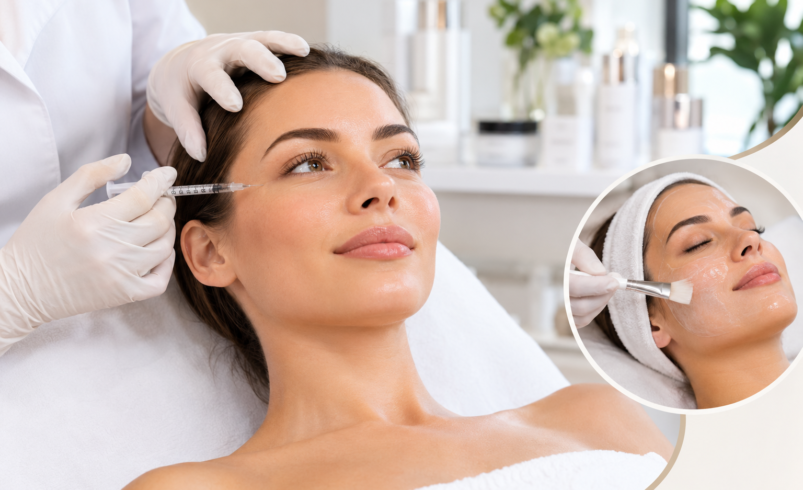

HIFU Swansea is a treatment option for people looking to improve skin firmness and achieve a more lifted appearance without surgery. Chemical Peels Swansea are another popular option for individuals who want to improve skin texture, uneven tone, and the appearance of certain blemishes. At RS AK Skin and Aesthetics Clinic, understanding how these treatments work can help you explore suitable options for your individual skincare goals.
Although HIFU and chemical peels target different skin concerns, both may form part of a personalized aesthetic treatment plan. HIFU uses focused ultrasound energy to stimulate deeper skin tissues, while chemical peels use carefully selected solutions to exfoliate the skin’s surface. This guide explains their benefits, differences, suitability, and important considerations.
What Is HIFU Treatment?
HIFU stands for High-Intensity Focused Ultrasound. It is a non-surgical aesthetic treatment that delivers focused ultrasound energy to targeted tissue beneath the skin. Depending on the device and treatment area, this energy can stimulate collagen production and may help improve skin firmness over time.
Collagen is a structural protein that helps support the skin. As people age, collagen production and skin elasticity can decline, contributing to the appearance of loose skin and changes in facial contours.
What Are the Benefits of HIFU Swansea?
People researching HIFU Swansea may be interested in the following potential benefits:
- Improved skin firmness: HIFU may help improve the appearance of mild skin laxity.
- A more lifted appearance: Certain treatment protocols aim to improve the appearance of the brow, jawline, or lower face.
- Collagen stimulation: Focused ultrasound energy can stimulate processes involved in collagen remodeling.
- Non-surgical approach: HIFU does not require surgical incisions.
- Gradual results: Changes may develop over several weeks or months as collagen remodeling occurs.
Results vary according to the device, treatment area, skin condition, and individual response. HIFU is not a substitute for surgery when significant skin laxity is present, and it does not guarantee a particular result.
What Are Chemical Peels?
Chemical peels are skin treatments that use specific chemical solutions to exfoliate the outer layers of the skin. Depending on the formulation and depth, they may help improve uneven skin tone, rough texture, mild acne-related concerns, and the appearance of some fine lines.
Different peels are designed for different needs. Superficial peels generally target the outermost layers, while medium-depth peels penetrate further and require more recovery time and careful professional supervision.
What Are the Benefits of Chemical Peels Swansea?
Chemical Peels Swansea may be worth exploring if you want to address concerns such as:
- Uneven skin tone: Certain peels can help improve the appearance of pigmentation and discolorations.
- Rough skin texture: Exfoliation may leave the skin feeling smoother.
- Dull-looking skin: Removing surface cells can help improve skin radiance.
- Some acne-related concerns: Appropriate formulations may help with certain types of acne and clogged pores.
- Fine lines: Some peels can improve the appearance of superficial lines, depending on their depth and formulation.
The results depend on the peel used, the condition being treated, and how well aftercare instructions are followed. Chemical peels cannot eliminate every scar, pigmentation concern, or sign of ageing.
Can HIFU and Chemical Peels Be Combined?
Yes, HIFU and chemical peels may be used within the same overall skincare plan, but they should not automatically be performed together or on the same day. A qualified practitioner should assess your skin and determine whether both treatments are appropriate.
HIFU primarily targets deeper tissues to address skin firmness, whereas chemical peels work mainly through controlled exfoliation at the skin’s surface. Since they have different purposes, a carefully planned approach may address more than one concern.
For example, someone concerned about mild skin laxity and uneven skin texture may wish to discuss both treatments. However, the practitioner should consider skin sensitivity, pigmentation risk, medical history, and the recovery period required for each procedure.
Why Consider Both Treatments?
- Address different skin concerns
HIFU may help improve the appearance of skin laxity, while chemical peels can target certain surface-level concerns, including uneven tone and rough texture.
- Support a personalized skincare plan
Not everyone needs multiple procedures. A consultation can help establish whether one treatment is sufficient or whether a combination could offer additional benefits.
- Focus on skin firmness and texture
Because the treatments work differently, they may address separate aspects of skin appearance when appropriately selected and timed.
- Set realistic expectations
Combining treatments does not guarantee better results. The best plan depends on your skin’s condition, the specific devices and peel formulations used, and your individual response.
What Is the Difference Between HIFU and Chemical Peels?
| Feature | HIFU Swansea | Chemical Peels Swansea |
| Main purpose | Improve the appearance of skin firmness and mild laxity | Improve surface texture, tone, and selected skin concerns |
| How it works | Uses focused ultrasound energy | Uses chemical solutions for controlled exfoliation |
| Main treatment target | Deeper targeted tissues, depending on the device | Primarily the outer skin layers, depending on peel depth |
| Recovery | May involve temporary redness, swelling, tenderness, or other effects | May involve redness, peeling, sensitivity, and downtime |
| Results | Usually develop gradually over weeks or months | Depend on peel depth and may develop over days or weeks |
Neither treatment is suitable for every skin type or concern. Professional assessment is important before choosing either procedure.
Are HIFU and Chemical Peels Safe?
Both treatments can have side effects, and their safety depends on the practitioner’s qualifications, the equipment or products used, and appropriate patient selection.
HIFU may cause temporary redness, swelling, tenderness, or tingling. Less common complications can include burns, altered sensation, or nerve-related effects.
Chemical peels may cause redness, dryness, irritation, and peeling. More serious risks include infection, scarring, and changes in pigmentation, particularly when the peel is unsuitable for the person’s skin or is used incorrectly.
Before treatment, discuss your medical history, medications, previous procedures, history of cold sores, skin sensitivity, and any tendency towards pigmentation or scarring. Ask about expected downtime and the precautions required for your skin type.
Sun protection is particularly important after chemical peels. Follow the practitioner’s aftercare instructions and avoid using exfoliating products until your skin has recovered as advised.
Who May Be Suitable for These Treatments?
HIFU may be considered by adults seeking improvement in mild skin laxity who have realistic expectations about gradual results.
Chemical peels may suit adults who want to address selected concerns such as dullness, uneven texture, certain pigmentation issues, or mild acne-related problems. The appropriate peel depends on skin type and the condition being treated.
People with active skin infections, irritated skin, certain medical conditions, or a history of complications may need to avoid or postpone treatment. Some devices and procedures also have specific contraindications. A professional assessment is essential, particularly for people with darker skin tones who may have a higher risk of pigmentation changes from certain peels.
Conclusion
HIFU Swansea and Chemical Peels Swansea offer different approaches to improving skin appearance. HIFU may help address mild skin laxity and firmness, while chemical peels can target selected surface-level concerns, including uneven tone and texture. When appropriate, a carefully planned treatment programmed may address multiple concerns, but results are not guaranteed and every procedure carries potential risks.
RS AK Skin and Aesthetics Clinic encourages clients to seek personalised advice before choosing an aesthetic treatment. Visit with us to explore available treatment options and contact the clinic to discuss your skincare goals and suitability for treatment.
Frequently Asked Questions
- What is HIFU Swansea used for?
HIFU is a non-surgical aesthetic treatment that uses focused ultrasound energy to target deeper tissues. Depending on the device and treatment plan, it may help improve the appearance of mild skin laxity and firmness.
- What do Chemical Peels Swansea help with?
Chemical peels may help improve uneven skin tone, dullness, rough texture, certain acne-related concerns, and some superficial lines. Their benefits depend on the formulation and depth of the peel.
- Can HIFU and chemical peels be performed on the same day?
Not necessarily. The appropriate timing depends on the device, peel depth, skin condition, and professional assessment. Staggering treatments may be recommended to reduce irritation and allow proper recovery.
- How long does HIFU take to show results?
Results may develop gradually over several weeks or months as collagen remodeling occurs. The extent and duration of improvement vary between individuals.
- How often should I have a chemical peel?
The recommended frequency depends on the peel’s strength, your skin type, the concern being treated, and your recovery. Follow a practitioner-recommended schedule rather than repeating treatments too frequently.