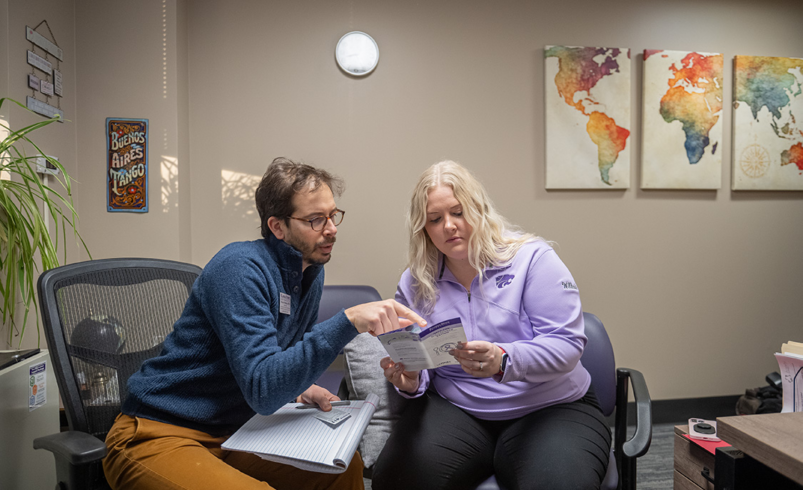

Taking the decision to seek help for an eating disorder is one of the most courageous steps you can take toward health and personal freedom. However, as the date of your initial session approaches, feeling anxious, uncertain, or overwhelmed is completely natural. You might wonder what questions the clinician will ask, how much personal history you will need to disclose right away, or whether you will feel judged. Preparing for your first Eating Disorder Counseling appointment helps demystify the process, reduces anticipatory anxiety, and empowers you to enter the session feeling prepared and supported.
Therapy is not an interrogation or an exam; it is a collaborative, non-judgmental partnership designed to meet you exactly where you are. Whether you are navigating restrictive habits, bingeing patterns, purging urges, body image distress, or general anxiety around food, your initial appointment serves as a safe foundation for your recovery journey. Below, we break down what happens during an intake session, offer practical steps to prepare mentally and logistically, compare common myths with clinical reality, and outline actionable strategies to help you get the most out of your care.
1. What to Expect During Your Initial Intake Session
Understanding the basic structure of a first session helps remove the fear of the unknown and allows you to approach your appointment with clarity and confidence.
Gathering Context and Medical History
During the first appointment (often referred to as an intake evaluation), the primary goal is gathering background information to understand your unique situation:
-
Current Symptoms and Behaviors: Your clinician will ask about your current relationship with food, meal routines, exercise habits, and any specific behaviors you are experiencing.
-
Physical and Medical Baseline: You will discuss medical history, past treatment experiences, physical symptoms (such as fatigue or gastrointestinal distress), and any medications or supplements you take.
-
Psychological Background: The counselor will explore co-occurring concerns—such as anxiety, depression, trauma history, or perfectionist tendencies—that often intersect with eating disorders.
Assessing Safety and Treatment Needs
Because eating disorders impact both physical health and emotional well-being, your counselor will evaluate whether outpatient care is the appropriate level of structure for you or if collaboration with a medical doctor or registered dietitian is needed.
Establishing the Therapeutic Relationship
Beyond gathering data, the first session gives you the opportunity to assess how comfortable you feel with the therapist. Trust builds over time, but feeling heard, respected, and validated during your initial conversation is a vital first milestone.
2. Practical Steps to Prepare Before Your Appointment
Taking a few thoughtful, low-pressure steps beforehand can help ease pre-session jitters and ensure you cover what matters most to you:
Jot Down Your Primary Questions and Concerns
When anxiety spikes during a first appointment, mind blanking is common. Take a few minutes ahead of time to write down key notes on your phone or in a notebook:
-
What specific challenges with food or body image are currently causing you the most distress?
-
What are your immediate goals for therapy (e.g., stopping binge cycles, reducing meal anxiety, or improving self-esteem)?
-
What questions do you have about the therapist’s clinical approach, background, or session policies?
Gather Relevant Medical and Insurance Information
Having practical details ready prevents unnecessary administrative stress on the day of your session:
-
Insurance cards, identification, and completed digital intake paperwork.
-
Contact information for your primary care physician, psychiatrist, or dietitian (if you currently work with one).
-
A list of any current medications, dosages, and medical conditions.
Create a Post-Session Self-Care Plan
Opening up about food challenges and body distress can leave you feeling emotionally vulnerable or fatigued after your first appointment. Plan a gentle, relaxing activity immediately following your session—such as taking a quiet walk, listening to a favorite podcast, sipping warm tea, or resting—to allow yourself time to decompress.
3. How to Discuss Difficult Topics with Your Therapist
Talking openly about food, weight, purging, or body shame can feel intimidating. Using simple communication strategies helps ease those conversations:
Use “I” Statements and Describe Physical Sensations
If expressing emotional terms feels difficult, focus on describing your physical sensations or immediate thoughts:
-
Instead of: “I feel completely out of control and broken.”
-
Try: “When mealtime approaches, I notice my heart racing, my stomach tightening, and an urge to avoid eating altogether.”
It Is Okay to Say “I’m Not Ready to Talk About That Yet”
You maintain complete autonomy over your narrative. If your counselor asks about a topic you feel unequipped to explore in session one (such as deep trauma or specific behaviors), communicating your boundary clearly is healthy: “I know that is an important part of my history, but I would like to build a little more comfort before we dive into it.”
Frequently Asked Questions
What should I wear to my first eating disorder counseling appointment?
Wear whatever clothing makes you feel most comfortable, safe, and physically at ease. There are no dress codes or weigh-ins required for therapy sessions, so choose relaxed, non-restrictive clothing that helps you feel grounded.
Will I be weighed at my first counseling session?
In outpatient psychological counseling, routine weigh-ins are generally not conducted by the therapist unless weight monitoring is a pre-agreed component of your medical safety plan. When weight tracking is medically necessary, blind weigh-ins (where you stand facing away from the scale) are typically utilized in coordination with a medical doctor or dietitian to minimize body distress.
What if I feel emotional or cry during the appointment?
Crying or feeling emotional during an intake session is completely normal and welcomed. Sharing vulnerable thoughts about food, body image, and personal struggles naturally releases stored emotional stress. Therapists are accustomed to these emotional releases and provide a calm, supportive environment.
Can I bring a trusted family member, partner, or friend to my first session?
Yes. If having a supportive person in the room (or waiting in the lobby) helps reduce your anxiety, you are welcome to invite them. You can ask them to join you for the first 10–15 minutes to help share information, or keep them present for emotional support throughout the intake.
Taking the First Confident Step Toward Healing
Preparing for your first counseling session is about setting gentle expectations, honoring your courage, and creating space to share your story without judgment. Recovery is a step-by-step process, and you do not need to have all the answers or feel 100% confident on day one. By taking this proactive step, you are laying the groundwork for a healthier relationship with food, your body, and yourself.
Honoring your personal pace and reaching out for guidance gives you the support needed to reclaim your well-being and build a fulfilling future.
At Insight Therapy LLC, our dedicated clinical team specializes in compassionate, evidence-based outpatient therapy for individuals navigating eating disorders, body image challenges, anxiety, and life transitions. We provide a safe, respectful, and confidential environment where you can explore your challenges and build healthy coping tools at your own pace. Contact Insight Therapy LLC today to schedule your initial consultation and take the first step toward lasting freedom and wellness.