
India’s transition towards clean energy is creating new opportunities for households to reduce electricity expenses and generate their own power. In Assam, where residential electricity consumption can vary with weather, cooling requirements, and household needs, rooftop solar is becoming an option worth exploring for homeowners.
The PM Surya Ghar: Muft Bijli Yojana is a central government initiative designed to encourage residential rooftop solar installations. Through financial assistance, eligible households can reduce the initial cost of installing a solar system and use sunlight to meet part of their electricity needs.
For residents researching pm surya ghar assam, understanding the registration process, available subsidies, eligibility requirements, and installation procedure is essential before investing in a rooftop solar system. With guidance from experienced solar solution providers such as Solar Prabha, households can also better understand system sizing, installation requirements, and the steps involved in adopting solar energy.
What Is the PM Surya Ghar Muft Bijli Yojana?
PM Surya Ghar: Muft Bijli Yojana is a government scheme that supports eligible residential consumers in installing grid-connected rooftop solar systems. The objective is to expand residential solar adoption, reduce dependence on conventional electricity, and make clean energy more accessible to households.
The scheme offers central financial assistance for eligible installations, subject to the applicable guidelines and technical requirements.
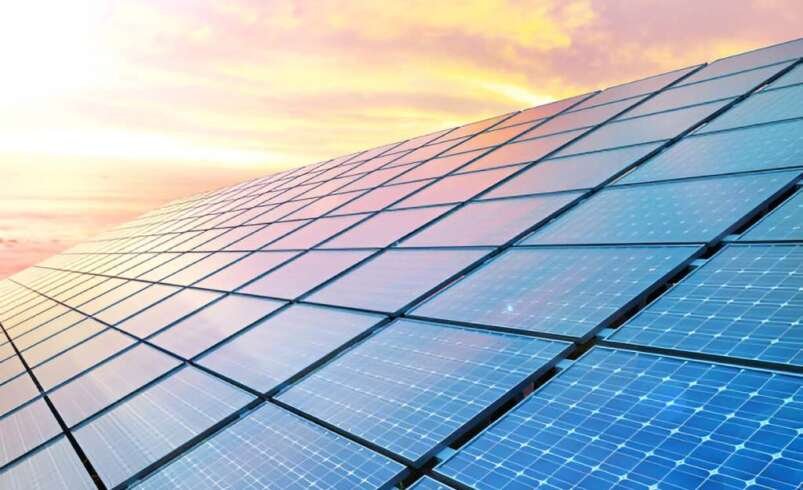
Under this initiative, homeowners can install solar panels on suitable rooftops and use the electricity they generate during daylight hours. When the system produces more electricity than the household immediately consumes, surplus power may be exported to the grid, depending on the approved connection and metering arrangements.
The scheme is particularly relevant to Assam residents who want to explore long-term electricity savings while contributing to cleaner energy generation.
PM Surya Ghar Assam: Subsidy Details
The central subsidy under PM Surya Ghar is calculated according to the eligible rooftop solar capacity and the applicable scheme guidelines. For residential consumers in Assam, the standard central financial assistance is generally structured as follows:
| Eligible rooftop solar capacity | Central subsidy |
|---|---|
| 1 kW | ₹30,000 |
| 2 kW | ₹60,000 |
| 3 kW or above | ₹78,000 maximum |
For systems larger than 3 kW, the central subsidy generally remains capped at ₹78,000 under the standard scheme structure. The final amount depends on eligibility, approved system capacity, and compliance with current programme requirements.
These figures reflect the standard central subsidy structure for eligible residential installations in most states, including Assam. Applicants should verify the current rules and any applicable state-specific provisions through the official portal before making a purchase.
How Much Can Assam Residents Save?
The subsidy reduces the upfront cost of an eligible rooftop solar installation, but it does not necessarily cover the entire project expense. The total cost depends on the system capacity, equipment quality, installation complexity, rooftop conditions, and other components required.
For example, an eligible 2 kW system may qualify for ₹60,000 in central financial assistance. If the total installation cost is higher than this amount, the household must pay the remaining eligible project cost.
Solar savings also depend on electricity consumption, sunlight availability, seasonal weather, system performance, and the local electricity tariff. A household should compare its electricity bills and expected daytime consumption before choosing a system size.
Who Is Eligible for PM Surya Ghar in Assam?
Households should check their eligibility before beginning the registration process. The scheme is intended for residential electricity consuwmers, and applicants must meet the applicable programme conditions.
Common eligibility requirements include:
- The applicant must be an Indian citizen.
- The household must have a valid residential electricity connection.
- The rooftop solar installation must meet the scheme’s technical and procedural requirements.
- The applicant must use eligible solar equipment and follow the prescribed installation process.
- The applicant must not have already received another subsidy for the same rooftop solar installation in a manner prohibited by the scheme rules.
Applicants should also confirm whether their electricity distribution company supports the proposed installation and what documentation is required.
It is important to distinguish residential consumers from commercial and industrial consumers. The standard PM Surya Ghar residential subsidy is not generally available to commercial or industrial electricity connections under the same terms.
How to Register for PM Surya Ghar Assam
Registration is completed through the official PM Surya Ghar online portal. Applicants should use the official government website rather than relying on unofficial registration links or agents promising guaranteed subsidies.
Step 1: Visit the Official Portal
Open the official PM Surya Ghar website at https://pmsuryaghar.gov.in/.
Read the available instructions and locate the consumer registration section. Keep your electricity bill nearby because the application requires information about your residential electricity connection.
Step 2: Register Your Electricity Connection
Select Assam as your state and choose the relevant electricity distribution company, or DISCOM, associated with your connection.
Enter the required details, which may include:
- Electricity distribution company
- Consumer account or consumer number
- Mobile number
- Email address, where requested
Follow the portal’s instructions to complete registration and verify the required information.
Step 3: Submit the Rooftop Solar Application
After registration, log in to the portal and submit the rooftop solar application. Provide the requested details about your connection and proposed installation.
The application may require information about the intended solar capacity. Choose a capacity that is appropriate for your electricity consumption, available rooftop area, and the applicable technical requirements.
Step 4: Wait for the Required Approval
The relevant DISCOM will process the application according to the scheme’s procedures. Follow the portal’s instructions and wait for the required feasibility approval before proceeding with installation where applicable.
The approval process helps establish whether the proposed rooftop solar system can be connected to the local electricity network under the relevant technical conditions.
Step 5: Select an Eligible Registered Vendor
Once the required approval is received, choose a vendor registered or empanelled under the scheme for the relevant DISCOM and location.
Before finalising the vendor, discuss the proposed system capacity, equipment specifications, installation cost, warranty terms, expected completion time, and responsibilities for documentation.
Do not rely solely on verbal promises about subsidy approval or electricity savings. Ask for a written quotation that clearly explains what is included in the installation.
Step 6: Complete Installation and Inspection
The selected vendor installs the rooftop solar system in accordance with applicable technical standards. After installation, the required details and documents must be submitted through the prescribed process.
The DISCOM then completes the applicable inspection or commissioning formalities. Metering arrangements, including net metering where approved, must follow the relevant requirements.
Step 7: Submit Bank Details for Subsidy
After the installation and commissioning requirements are completed, submit the required information through the official portal to claim the subsidy.
The applicant may need to provide bank account details and supporting documents, such as proof of account ownership, in the prescribed format. Ensure that the account details are accurate and match the information requested by the portal.
The subsidy is released according to the scheme’s verification and payment process. Approval and payment are not guaranteed merely because an application has been submitted.
Documents and Information to Keep Ready
Preparing the necessary details in advance can make the application process easier. Requirements may vary depending on the portal’s current instructions and the applicant’s circumstances.
Commonly required information includes:
- A valid residential electricity consumer number
- Registered mobile number
- Email address, if required
- Bank account details in the prescribed format
- Proof of bank account ownership, where requested
- Installation and commissioning information submitted by the vendor
Applicants should rely on the official portal for the definitive document checklist. Avoid sharing passwords, OTPs, or sensitive banking credentials with anyone claiming to process a subsidy on your behalf.
Choosing the Right Rooftop Solar System for an Assam Home
Selecting the appropriate system is just as important as completing registration. A system that is too small may not meet the household’s energy needs, while an unnecessarily large system may increase the initial investment without providing proportionate benefits.
Assess Your Electricity Consumption
Review electricity bills from the previous several months to understand typical monthly consumption. Consider whether your household uses air conditioning, water pumps, refrigerators, or other appliances that contribute significantly to electricity demand.
Daytime consumption is particularly important because rooftop solar panels generally generate the most electricity during daylight hours.
Evaluate Rooftop Conditions
The rooftop should have sufficient usable space and receive suitable sunlight. Nearby buildings, trees, water tanks, and other obstructions may cast shadows and reduce system performance.
A professional assessment can help determine the practical installation area, panel arrangement, mounting requirements, and any structural concerns.
Understand Assam’s Weather Conditions
Assam experiences seasonal rainfall, cloudy periods, and humid conditions. Solar panels can still generate electricity under diffuse sunlight, although output generally decreases when sunlight is reduced.
Equipment selection should account for local environmental conditions, secure mounting, suitable electrical protection, and appropriate maintenance. Actual generation will vary with weather, orientation, shading, and system design.
Understand Net Metering and Electricity Bills
A grid-connected rooftop solar system works alongside the electricity network. Depending on the approved metering arrangement, excess generation may be exported to the grid, while electricity can be drawn from the grid when solar production is insufficient.
Net metering does not automatically eliminate every electricity charge. Billing depends on the applicable tariff, metering rules, consumption patterns, and any fixed or other charges imposed by the distribution company.
Common Mistakes to Avoid During Registration
Applicants can reduce unnecessary delays by checking the following points before proceeding:
- Incorrect consumer details: Make sure the consumer number and DISCOM selection match the electricity bill.
- Installing too early: Follow the prescribed approval and installation sequence.
- Choosing an ineligible vendor: Verify the vendor’s current registration status for the scheme and relevant location.
- Ignoring technical requirements: Confirm that the equipment and installation meet applicable programme standards.
- Submitting incorrect bank information: Double-check the required account details before submitting a subsidy claim.
- Trusting guaranteed-subsidy promises: Subsidy eligibility and payment depend on official verification and compliance.
- Overlooking maintenance: Keep panels reasonably clean and arrange professional checks when performance or electrical safety concerns arise.
Following the official process helps applicants make informed decisions and reduces the risk of avoidable errors.