
Introduction to Paint Sealant and Vehicle Protection
Maintaining a vehicle’s exterior appearance requires regular care, proper washing, and effective paint protection. Daily driving exposes a vehicle to sunlight, rain, dust, road grime, bird droppings, tree sap, and other environmental contaminants that can gradually affect its paintwork. Without proper maintenance, the exterior may lose its shine and become more difficult to clean. One effective way to maintain a vehicle’s appearance is by applying paint sealant, which creates a protective layer over the paint and helps preserve its finish.
Paint sealant is a specially formulated protective product designed to enhance a vehicle’s gloss while providing a barrier against common environmental contaminants. Unlike ordinary car wax, many paint sealant products are engineered to provide longer-lasting protection and improved resistance to everyday exposure. Although the performance varies depending on the product, preparation, application, and maintenance, a quality paint sealant can be a valuable part of a vehicle care routine.
Understanding the benefits of paint sealant helps vehicle owners make informed decisions about protecting their investment. Whether you drive a new car, maintain a daily commuter, or prepare a vehicle for resale, professional paint protection can help preserve its appearance and simplify regular cleaning.
What Is Paint Sealant?
Paint sealant is a synthetic or polymer-based protective product applied to a vehicle’s exterior paintwork. It forms a thin layer that helps reduce the direct impact of environmental contaminants on the painted surface. Depending on the formula, it can improve gloss, encourage water to bead and run off, and make dirt and grime easier to remove during washing.
Vehicle paint consists of multiple layers that work together to provide color, shine, and protection. The clear coat is the outermost layer and is particularly vulnerable to gradual deterioration from ultraviolet radiation, abrasive dirt, chemical contaminants, and improper washing techniques. Paint sealant helps protect this surface by adding a sacrificial layer that takes on some of the exposure associated with daily driving.
However, paint sealant is not a permanent shield against damage. It cannot prevent every scratch, stone chip, deep stain, or paint defect. Instead, it provides an additional level of surface protection that works best when combined with regular washing and careful maintenance.
Enhances Exterior Shine and Gloss
One of the most noticeable paint sealant benefits is the improvement in a vehicle’s exterior appearance. Over time, road dust, water spots, and accumulated contaminants can make paint appear dull. Applying a suitable sealant after proper cleaning can enhance the surface’s gloss and create a smooth, attractive finish.
A well-maintained vehicle often reflects light more evenly, helping its paint color appear richer and more vibrant. Paint sealant can contribute to this appearance by improving the visual clarity and slickness of the surface. This benefit is particularly noticeable on darker-colored vehicles, where maintaining a clean, glossy finish can make a significant difference.
For the best results, the paint should be thoroughly washed and evaluated before application. Existing oxidation, scratches, swirl marks, and other defects may require additional treatment, such as paint decontamination or polishing. Sealant generally protects and enhances the existing finish rather than correcting significant paint damage.
Provides a Protective Barrier Against Environmental Contaminants
Vehicles regularly encounter contaminants that can affect the appearance and condition of their exterior paint. Bird droppings, tree sap, pollen, road grime, and industrial fallout may accumulate on the surface during normal use. If certain contaminants remain on the paint for extended periods, they can cause staining, etching, or other surface damage.
Paint sealant creates an additional protective layer that can make it easier to remove many common contaminants before they become difficult to clean. Because contaminants may bond less readily to a properly protected surface, routine maintenance can become more manageable.
However, this protection does not eliminate the need for prompt cleaning. Bird droppings and tree sap should be removed as soon as practical using appropriate products and gentle techniques. Leaving contaminants on a vehicle for too long can still damage the clear coat, even when a sealant has been applied.
Regular washing, combined with a suitable paint sealant, helps maintain a cleaner exterior and reduces the likelihood of avoidable surface deterioration.
Helps Protect Paint From Sunlight Exposure
Sunlight is an important factor in long-term vehicle paint maintenance. Prolonged ultraviolet exposure can contribute to fading, oxidation, and deterioration of the exterior finish, particularly when a vehicle is frequently parked outdoors without shade.
A quality paint sealant can provide an additional protective layer, and some formulations include ingredients designed to help resist ultraviolet exposure. This may support the preservation of the paint’s appearance when combined with other protective measures.
The level of protection depends on the specific product and its formulation. Paint sealant should not be considered a complete solution to sun damage, nor does every product offer the same level of ultraviolet resistance.
Whenever possible, parking in a garage, using covered parking, and washing the vehicle regularly can further support exterior paint preservation. Combining these habits with suitable paint protection helps reduce the effects of long-term environmental exposure.
Improves Water Beading and Makes Cleaning Easier
Another important advantage of paint sealant is its ability to improve water behavior on the vehicle’s surface. Many sealants create a hydrophobic effect, causing water to form beads instead of spreading evenly across the paint. Depending on the formulation and surface condition, water may also move more easily across the protected exterior.
This characteristic can make routine washing more convenient because dirt and loose contaminants may be easier to rinse away. The smoother surface can also reduce the effort required to maintain the vehicle’s appearance between professional detailing appointments.
Water beading is not a guarantee that a vehicle will remain completely clean. Rainwater can contain minerals and airborne contaminants that leave spots when droplets evaporate. Hard water can also produce deposits on paint and glass. Therefore, vehicles should still be dried carefully after washing whenever possible.
Maintaining the protective layer through appropriate cleaning methods helps preserve the benefits of paint sealant over time.
Supports Longer-Lasting Paint Appearance
Vehicle owners often want their cars to maintain a fresh, polished appearance for as long as possible. Paint sealant supports this goal by adding a protective layer that helps reduce the everyday effects of contamination and makes routine exterior care easier.
Without regular maintenance, contaminants may gradually accumulate and make paint appear less vibrant. Improper washing can also introduce swirl marks and fine scratches that reduce surface clarity. Using a suitable sealant alongside safe washing techniques helps maintain the finish and reduces unnecessary wear associated with routine cleaning.
The longevity of paint sealant depends on several factors, including the product used, how thoroughly the surface was prepared, weather conditions, driving habits, and washing frequency. Some products are designed for shorter periods of protection, while others are formulated to last longer under suitable conditions.
Vehicle owners should follow the manufacturer’s instructions for application, curing, and maintenance rather than assuming that every sealant provides the same duration of protection.
Offers a Cost-Effective Alternative for Routine Paint Care
Professional paint protection does not always require the most expensive treatment available. For many vehicle owners, paint sealant offers a practical balance between appearance, convenience, and maintenance costs.
Compared with more specialized protective treatments, many paint sealants are relatively straightforward to apply and maintain. They can provide noticeable improvements in gloss and surface protection without requiring the commitment associated with certain advanced coating systems.
A properly maintained exterior may also require less intensive cleaning because dirt and grime can be easier to remove from the protected surface. Although the savings will vary, easier maintenance can help reduce the time and effort needed to keep a vehicle looking presentable.
The best option depends on how the vehicle is used, where it is parked, the owner’s budget, and the expected level of protection. Paint sealant is particularly useful for drivers who want regular paint care without choosing a more extensive protection package.
Makes Vehicles Easier to Maintain Throughout the Year
Changing weather conditions create different challenges for vehicle paint. Summer heat can increase exposure to sunlight and tree sap, while rainy conditions can leave water spots and road grime. In colder regions, road salt and winter contaminants may accumulate on exterior surfaces and require more frequent cleaning.
Paint sealant can help make seasonal maintenance more manageable by providing a protective layer that assists with contaminant removal. During winter, it may make road grime easier to wash away, although it does not eliminate the need to remove salt promptly. During warmer months, it can help maintain gloss and simplify the removal of everyday dirt.
Drivers should adapt their washing routines to the local climate and the conditions in which their vehicles are used. Frequent driving on muddy roads, parking beneath trees, or leaving a vehicle outdoors may increase the need for regular cleaning and inspection.
Applying paint sealant at an appropriate time and maintaining it according to the product instructions can help support year-round exterior care.
Paint Sealant Versus Car Wax and Ceramic Coatings
Understanding the differences between paint protection products helps vehicle owners select the right solution. Car wax is commonly used to enhance gloss and provide a temporary protective layer. Depending on its ingredients and environmental exposure, its protection may diminish relatively quickly.
Paint sealant typically uses synthetic protective ingredients designed to provide durability and resistance to everyday contaminants. Many products offer a longer service life than traditional wax, although the actual performance depends on the formula and maintenance routine.
Ceramic coatings are another option for drivers seeking more durable paint protection. These products are designed to bond with the prepared surface and may provide longer-lasting protection than conventional sealants. Professional ceramic coating services can also involve more extensive surface preparation and higher costs.
No single option is ideal for every vehicle. Wax may suit owners who enjoy frequent detailing, paint sealant can offer a practical combination of gloss and convenience, and ceramic coatings may appeal to those seeking longer-term protection. Comparing the available options based on vehicle use and maintenance expectations helps ensure a suitable choice.
The Importance of Proper Surface Preparation
The effectiveness of paint sealant depends heavily on how the vehicle is prepared before application. Applying a protective product over dirt, grease, or bonded contaminants can interfere with the finish and limit the quality of the result.
The process generally begins with a thorough exterior wash to remove loose dirt and road grime. Depending on the condition of the paint, additional decontamination may be necessary to remove stubborn deposits. The surface should then be dried completely and inspected for scratches, swirl marks, oxidation, and other imperfections.
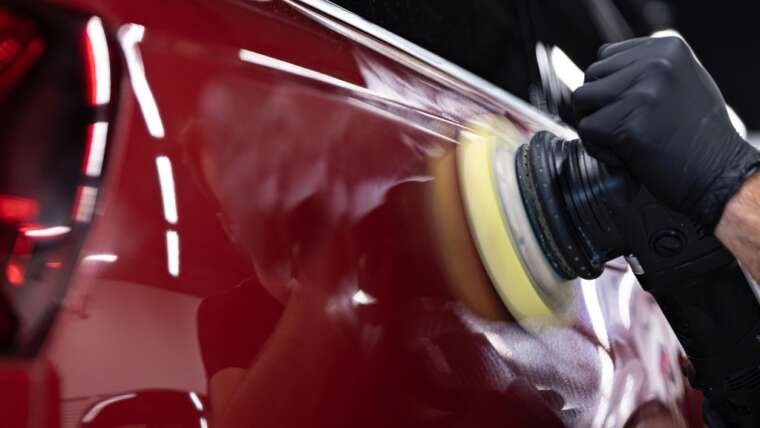
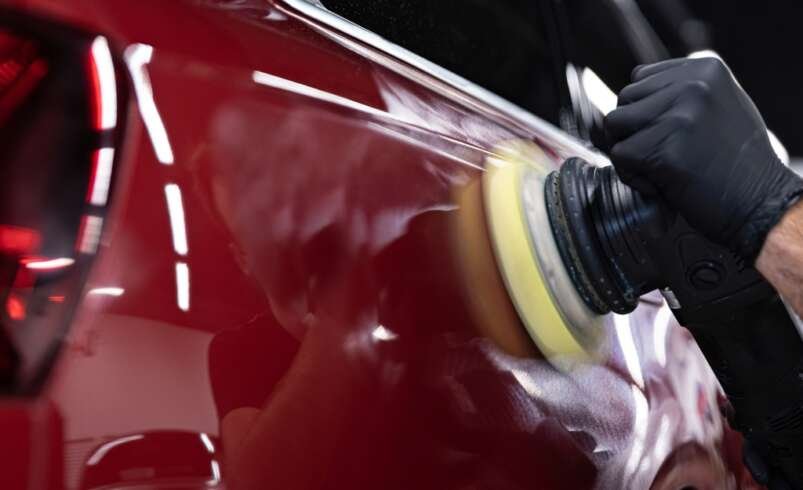
If the paint requires correction, polishing may be recommended before the sealant is applied. This step can improve the finish by reducing suitable surface defects, allowing the protective product to enhance the paint more effectively.
The sealant should be applied according to the manufacturer’s directions, including recommended application conditions, curing time, and removal instructions. Proper preparation and careful application help achieve a more consistent finish and support the product’s expected performance.
Professional detailing services can be especially beneficial when a vehicle has neglected paintwork, visible contamination, or a finish that requires additional attention before protection.
Maintaining Paint Sealant for Better Results
After application, appropriate maintenance helps preserve the appearance and performance of the protective layer. Regular washing is important because accumulated dirt and contaminants can make the vehicle appear dull even when its paint remains protected.
Use a vehicle-safe shampoo, clean wash tools, and gentle washing techniques to reduce the risk of introducing scratches. Avoid household detergents that may be unsuitable for automotive finishes. When drying the vehicle, use clean microfiber towels and avoid dragging contaminated materials across the paint.
It is also important to remove bird droppings, tree sap, and other stubborn contaminants promptly. Periodically inspect the exterior for changes in water behavior, gloss, and surface cleanliness. These observations may help indicate when the protective layer needs attention, although water beading alone does not always provide a reliable measure of remaining protection.
Reapplication schedules should be based on the specific sealant, the manufacturer’s guidance, and the vehicle’s exposure to the elements. Overapplying products or layering incompatible treatments may not improve results, so it is best to follow the recommended maintenance procedure.
Why Professional Paint Sealant Application Matters
Professional detailing can help vehicle owners achieve consistent results when applying paint sealant. Experienced detailers understand the importance of assessing paint condition, choosing suitable cleaning products, preparing the surface, and applying protection evenly.
A professional service may also identify issues that should be addressed before protection is applied. For example, embedded contaminants, oxidation, and visible swirl marks can affect the appearance of the finished vehicle. Addressing these concerns appropriately helps ensure that the sealant enhances the best possible surface.
Professional application can be particularly valuable for owners who lack the time, equipment, or experience required for detailed exterior care. A carefully maintained protective finish can help the vehicle look cleaner and more polished while making routine maintenance more convenient.
Choosing a detailing provider that uses suitable products and follows proper preparation procedures is an important part of achieving satisfactory results.
Conclusion
Paint sealant is a practical option for vehicle owners who want to preserve exterior shine, simplify cleaning, and add protection against everyday environmental contaminants. From improving gloss and water beading to supporting easier maintenance throughout the year, the benefits make it a useful addition to a regular vehicle care routine.
Although paint sealant cannot prevent every scratch, chip, or form of paint damage, it provides an additional protective layer that helps maintain the appearance of a properly cared-for finish. Its effectiveness depends on the quality of the product, surface preparation, application technique, and ongoing maintenance.
By combining paint sealant with regular washing, careful drying, prompt contaminant removal, and professional detailing when necessary, vehicle owners can help keep their cars looking cleaner and more attractive for longer. Investing in suitable paint protection is a straightforward way to support long-term exterior care and preserve the visual appeal of a vehicle.