
Digestive health plays an important role in overall well-being, but symptoms such as persistent abdominal discomfort, changes in bowel habits, rectal bleeding, and unexplained weight loss are often ignored. While some digestive problems improve with simple lifestyle changes, others require a closer medical examination to identify the underlying cause. Colonoscopy is one of the important diagnostic procedures doctors use to examine the large intestine and investigate several gastrointestinal conditions.
For people looking for the best hospital for colonoscopy in Guwahati, understanding the procedure, knowing when it may be necessary, and choosing an appropriate healthcare facility are essential first steps. A hospital with access to qualified medical professionals, suitable endoscopy facilities, appropriate patient monitoring, and clear pre- and post-procedure guidance can help patients approach the examination with greater confidence.
Dispur Polyclinic and Hospitals Pvt Ltd is a healthcare facility in Guwahati that patients can consider when exploring their healthcare options. Before scheduling a colonoscopy, patients should understand what the procedure involves and discuss their symptoms, medical history, and individual requirements with a qualified doctor.
What Is a Colonoscopy?
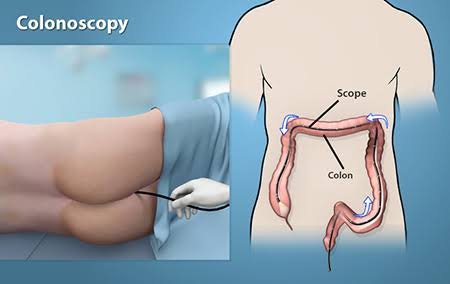
A colonoscopy is a medical procedure that allows a doctor to examine the inner lining of the colon, also known as the large intestine, and the rectum. It uses a thin, flexible tube called a colonoscope equipped with a light and a camera. The instrument is gently guided through the rectum to provide images of the intestinal lining.
A colonoscopy can help doctors identify abnormalities such as inflammation, ulcers, bleeding, polyps, and signs of colorectal cancer. If necessary, the doctor may also collect a small tissue sample for laboratory examination or remove certain polyps during the same procedure.
The examination is generally performed by a trained gastroenterologist or another appropriately qualified medical professional. The need for colonoscopy depends on a person’s symptoms, age, medical history, screening requirements, and the doctor’s clinical assessment.
Why Might a Doctor Recommend a Colonoscopy?
A doctor may recommend a colonoscopy when symptoms or medical history suggest that the large intestine needs further examination. It is also used for colorectal cancer screening in appropriate individuals, including some people who do not have noticeable symptoms.
Common reasons for recommending the procedure include:
-
Rectal bleeding: Blood in the stool or bleeding from the rectum may require investigation.
-
Persistent changes in bowel habits: Long-lasting diarrhoea, constipation, or changes in stool consistency may need further evaluation.
-
Unexplained abdominal discomfort: Ongoing pain or cramping may warrant examination, depending on the associated symptoms.
-
Unexplained iron-deficiency anaemia: A colonoscopy may help investigate possible gastrointestinal blood loss.
-
Suspected inflammatory bowel disease: The examination can help assess conditions such as ulcerative colitis and Crohn’s disease when the colon is involved.
-
Polyp detection and removal: Colonoscopy can identify certain growths in the colon and allow suitable polyps to be removed.
-
Colorectal cancer screening: Doctors may recommend screening based on age, family history, personal medical history, and individual risk factors.
Not every digestive symptom requires a colonoscopy. A healthcare professional will determine whether the procedure is appropriate or whether another test would be more suitable.
How to Choose the Best Hospital for Colonoscopy in Guwahati
Choosing a hospital for colonoscopy involves more than comparing appointment availability or distance from home. Patients should consider medical expertise, equipment, safety procedures, communication, and the support available before and after the examination.
1. Qualified Medical Professionals
The experience and training of the doctor performing the procedure are important considerations. Patients should ask whether a qualified gastroenterologist or appropriately trained specialist will conduct the examination and explain the findings.
It is also helpful to understand who will review biopsy results, recommend follow-up care, and answer questions after the procedure.
2. Appropriate Endoscopy Facilities
A colonoscopy requires suitable endoscopy equipment and systems for cleaning and disinfecting instruments between patients. Hospitals should follow established infection prevention practices and maintain equipment according to applicable medical standards.
Patients can ask about the facility’s endoscopy services and the arrangements available if the procedure identifies an unexpected finding.
3. Sedation and Patient Monitoring
Some patients receive sedation to reduce discomfort and anxiety during colonoscopy. The type of sedation depends on the patient’s health, the procedure, and the clinical team’s assessment.
Before booking, ask about sedation options, monitoring during the procedure, recovery arrangements, and whether an accompanying adult is required. These details are particularly important for patients with existing medical conditions.
4. Clear Preparation Instructions
Adequate bowel preparation is essential for a useful colonoscopy. The colon must be sufficiently clean for the doctor to examine its lining and identify abnormalities.
A suitable healthcare facility should provide understandable instructions covering bowel-cleansing medication, permitted foods and liquids, fasting requirements, and adjustments to regular medicines when necessary.
5. Follow-Up and Diagnostic Support
The examination itself is only one part of the process. Patients may need a biopsy, laboratory testing, treatment recommendations, or a repeat examination if the bowel preparation is inadequate.
Before choosing a hospital, ask how results are communicated, when biopsy reports are expected, and how follow-up appointments are arranged.
6. Transparent Costs and Practical Accessibility
The total cost may vary depending on the hospital, the doctor’s fees, sedation, bowel preparation, biopsy, polyp removal, and any additional investigations.
Ask for an estimate that explains which services are included and which may incur extra charges. Location, appointment availability, accessibility, and recovery arrangements are also worth considering.
Colonoscopy Services in Guwahati: What Patients Should Know
Guwahati serves as an important healthcare destination for people from across Assam and neighbouring areas. Patients seeking a colonoscopy may compare hospitals based on specialist availability, diagnostic facilities, convenience, and the continuity of care offered.
Dispur Polyclinic and Hospitals Pvt Ltd is one healthcare facility patients may consider while researching colonoscopy services in Guwahati. When contacting the hospital, patients should confirm the availability of colonoscopy, the specialist responsible for the procedure, preparation requirements, estimated costs, and arrangements for sedation and recovery.
It is important to verify these details directly rather than assume that every service or specialist is available at every facility.
Patients should also consider whether they can return easily for follow-up consultations or biopsy results. This can be especially helpful for people travelling from outside Guwahati who may need additional medical advice after the examination.
How to Prepare for a Colonoscopy
Proper preparation helps the doctor examine the colon more clearly. The exact instructions vary according to the patient’s health, the preparation medicine prescribed, and the hospital’s protocol.
Follow the Recommended Diet
Patients are often asked to follow dietary restrictions before the procedure. Depending on the instructions provided, this may include a low-fibre diet for a specified period followed by clear liquids closer to the examination.
Follow the hospital’s instructions carefully. Do not assume that ordinary food, milk, or every type of liquid is permitted before the procedure.
Complete the Bowel Preparation
The doctor will prescribe or recommend a bowel-cleansing preparation and explain when and how to take it. This medication causes frequent bowel movements to clear stool from the colon.
Follow the prescribed schedule and drink permitted fluids as instructed. If you cannot tolerate the preparation, experience repeated vomiting, or are concerned that the bowel has not cleared, contact the healthcare team for advice.
Discuss Your Regular Medicines
Tell the doctor about all medicines and supplements you take, especially blood thinners, diabetes medicines, iron supplements, and medications that may affect kidney or heart function.
Do not stop prescribed medicines independently. The medical team should advise you whether any medicine needs to be adjusted before the examination.
Arrange Transportation if Sedation Is Planned
Sedation can affect alertness and coordination for several hours. If sedation is used, arrange for a responsible adult to take you home and follow the hospital’s instructions about driving, operating machinery, and making important decisions afterward.
What Happens During and After a Colonoscopy?
Understanding the procedure can make it less intimidating for first-time patients.
During the Procedure
The medical team will review your medical history and confirm that preparation and consent requirements have been completed. You may receive medication for sedation, depending on the clinical plan.
The doctor then gently inserts the colonoscope through the rectum and examines the colon. Air or carbon dioxide may be introduced to improve visibility. If an abnormal area or polyp is identified, the doctor may take a biopsy or remove a suitable polyp when appropriate.
The examination often takes around 20–60 minutes, although the time can vary depending on the findings, technical difficulty, and whether additional procedures are required.
After the Procedure
Patients are usually monitored during recovery, particularly if sedation has been given. Temporary bloating, gas, or mild abdominal cramping can occur and generally improves as the gas passes.
The doctor may discuss initial findings after the examination. However, biopsy results and other laboratory findings may take additional time.
Seek urgent medical attention if you experience severe or worsening abdominal pain, heavy or persistent rectal bleeding, fever, or significant dizziness after the procedure. These symptoms should not be dismissed as normal recovery effects.
Benefits and Limitations of Colonoscopy
Colonoscopy offers several important diagnostic benefits, but patients should understand both its advantages and its limitations.
Potential benefits include:
-
Direct examination of the colon and rectum.
-
Identification of certain causes of gastrointestinal bleeding.
-
Detection and removal of suitable precancerous polyps.
-
Collection of tissue samples for further diagnosis.
-
Support for colorectal cancer screening and investigation of persistent symptoms.
However, colonoscopy is an invasive procedure and carries some risks, including bleeding, adverse reactions to sedation, and, rarely, perforation of the bowel. The likelihood of complications depends on individual health factors and whether interventions such as polyp removal are performed.
The examination may also be less effective when bowel preparation is inadequate. In some cases, additional tests or a repeat procedure may be necessary.
A doctor can explain the likely benefits and risks based on the patient’s medical history and the reason for the examination.
When Should You Seek Medical Advice?
Do not delay medical assessment if you notice persistent changes in bowel habits, unexplained weight loss, ongoing abdominal discomfort, or blood in your stool. These symptoms can have several causes, and a medical evaluation helps determine the appropriate next step.
Heavy rectal bleeding, black tarry stools accompanied by weakness or dizziness, fainting, or severe abdominal pain may require urgent medical attention.
People with a family history of colorectal cancer or a personal history of colorectal polyps should discuss an appropriate screening schedule with their doctor. Screening recommendations vary according to age, personal risk, family history, and local clinical guidance.
Frequently Asked Questions
1. Which hospital should I consider for a colonoscopy in Guwahati?
Look for a hospital with qualified medical professionals, appropriate endoscopy facilities, infection prevention protocols, patient monitoring, and reliable follow-up care. Dispur Polyclinic and Hospitals Pvt Ltd is one facility to consider, but you should confirm its current colonoscopy services, specialist availability, and preparation arrangements directly before booking.
2. Is a colonoscopy painful?
Many patients experience pressure, bloating, or cramping during the examination. Sedation may help reduce discomfort, although the experience varies between individuals. The medical team can explain the available options and recommend an appropriate approach based on your health and clinical needs.
3. How long does a colonoscopy take?
The examination commonly takes around 20–60 minutes, depending on the circumstances and whether a biopsy or polyp removal is needed. Additional time is required for preparation, registration, and recovery, especially when sedation is used.
4. How many days should I prepare for a colonoscopy?
Dietary changes may begin one or more days before the procedure, while bowel-cleansing medication is generally taken according to a specific schedule provided by the hospital. Preparation requirements vary, so follow your doctor’s instructions rather than using a schedule intended for another patient.
5. Can I return to work after a colonoscopy?
If sedation is used, you will generally need to rest for the remainder of the day and should not drive or operate machinery for the period specified by the medical team, usually at least 24 hours. If no sedation is used, recovery may be quicker, but your doctor should advise when normal activities can safely resume.
Conclusion
Finding the best hospital for colonoscopy in Guwahati involves evaluating medical expertise, endoscopy facilities, patient safety, preparation guidance, cost transparency, and follow-up support. Understanding the procedure and following the healthcare team’s instructions can help patients prepare appropriately and make informed decisions about their digestive health.
Dispur Polyclinic and Hospitals Pvt Ltd is a healthcare facility that patients can consider when exploring diagnostic care options in Guwahati. Before scheduling an appointment, confirm the availability of colonoscopy services and discuss your symptoms, medical history, and individual requirements with a qualified doctor. Timely medical evaluation and appropriate screening can play an important role in identifying gastrointestinal problems and supporting better long-term health.