
Introduction
Indoor air quality plays an important role in maintaining a comfortable and healthy living or working environment. People spend a significant amount of time inside homes, offices, schools, and commercial buildings, where airborne contaminants can affect everyday comfort. Dust, mold spores, chemical pollutants, poor ventilation, and other airborne particles may accumulate indoors without being easily noticed. Professional Indoor Air Quality Testing Services in Shippensburg, PA, help property owners identify potential air quality concerns and understand what steps may be necessary to improve their indoor environments.
Why Indoor Air Quality Testing Is Important
Indoor air pollution is not always visible. Unpleasant odors, excessive dust, condensation, and persistent moisture problems can sometimes indicate underlying air quality issues. However, some contaminants cannot be detected through smell or visual inspection alone.
Professional air quality testing helps identify specific pollutants and assess indoor environmental conditions. Testing may include evaluating airborne particles, humidity levels, mold-related concerns, and certain chemical pollutants, depending on the property’s needs.
For homeowners, testing can provide useful information about the indoor environment. Business owners and facility managers can also use testing results to investigate occupant complaints, identify possible contamination sources, and make informed maintenance decisions.
Common Factors That Affect Indoor Air Quality
Several conditions can contribute to poor indoor air quality in residential and commercial buildings.
Mold and Excess Moisture
Water leaks, flooding, plumbing problems, and poor ventilation can create conditions that encourage mold growth. Mold can develop behind walls, beneath flooring, and in other areas where moisture remains unnoticed. A professional assessment can help determine whether mold-related concerns require further investigation.
Dust and Airborne Particles
Dust, pollen, pet dander, and other airborne particles can circulate through indoor spaces. HVAC systems, carpets, furniture, and inadequate filtration may contribute to particle accumulation. Regular cleaning, suitable filtration, and proper ventilation can help manage these pollutants.
Chemical Pollutants
Paints, adhesives, cleaning products, building materials, and certain household products may release volatile organic compounds (VOCs). High concentrations of some indoor chemicals can contribute to unpleasant odors and indoor air quality concerns. Identifying potential sources is an important part of managing these pollutants.
Poor Ventilation
Insufficient ventilation can allow indoor pollutants to accumulate. Buildings with limited fresh air circulation may experience stale air, excessive humidity, and increased concentrations of certain contaminants. Proper ventilation helps maintain better indoor environmental conditions.
What to Expect From Indoor Air Quality Testing Services in Shippensburg, PA
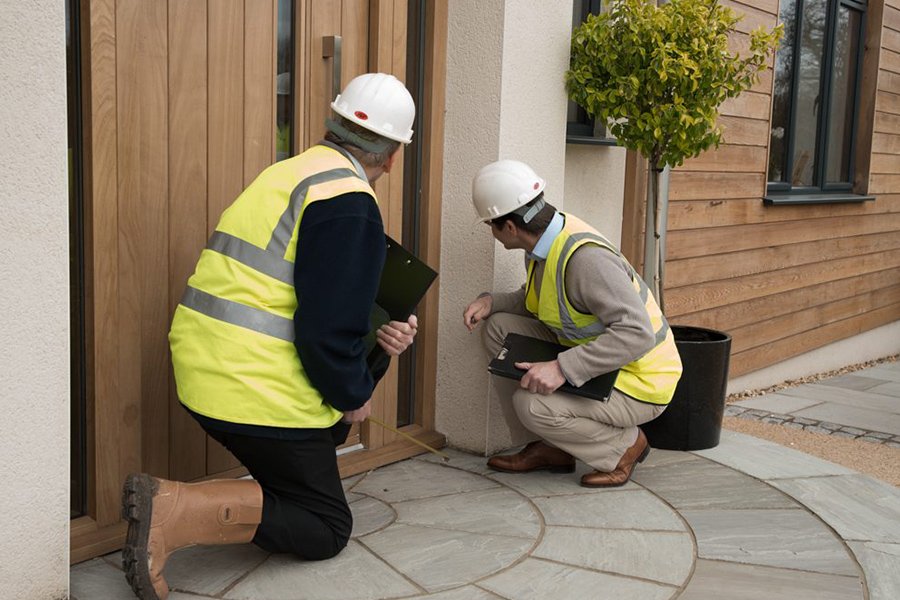
Professional indoor air quality testing generally begins with an assessment of the property and its reported concerns. The testing approach depends on the building’s condition, its ventilation system, and the potential pollutants being investigated.
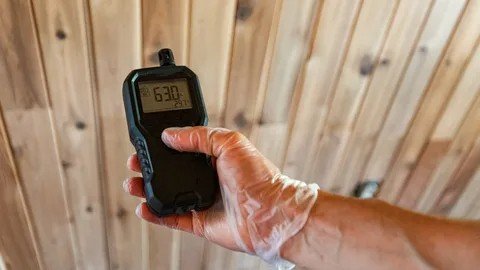
Depending on the assessment, services may include air sampling, surface sampling, moisture inspections, humidity measurements, and identifying potential contamination sources. Samples may be sent to a qualified laboratory when specialized analysis is required.
Once testing is complete, the findings can help property owners understand the results and determine whether additional investigation, cleaning, ventilation improvements, or remediation may be appropriate.
Environmental Abatement Services in Shippensburg, PA
When an indoor environmental problem requires more than testing, Environmental Abatement Services in Shippensburg, PA, may help address hazardous or unwanted materials within a property. These services can involve identifying, containing, removing, and managing certain contaminants according to applicable safety requirements.
Depending on the property’s needs, environmental abatement may involve mold remediation, asbestos abatement, lead-related hazard control, and other specialized removal procedures. The appropriate approach depends on the material involved, the extent of contamination, and relevant regulations.
Professional abatement work is particularly important when dealing with potentially hazardous materials. Proper containment, protective equipment, waste handling, and cleanup procedures help reduce the risk of spreading contaminants to unaffected areas.
Benefits of Professional Environmental Testing and Abatement
Combining appropriate testing with professional environmental services can help property owners make better decisions about indoor building conditions.
Some important benefits include:
- Early Identification: Testing can help uncover potential air quality concerns before they become more extensive.
- Better Indoor Conditions: Identifying pollution sources helps guide practical improvements.
- Property Protection: Addressing moisture and contamination problems can help prevent further building damage.
- Informed Decisions: Detailed findings provide a clearer understanding of recommended corrective measures.
- Safer Work Practices: Qualified professionals use appropriate procedures when handling potentially hazardous materials.
When Should You Schedule Indoor Air Quality Testing?
Property owners should consider indoor air quality testing when experiencing persistent musty odors, unexplained moisture problems, visible mold growth, recent water damage, or ongoing concerns about ventilation. Testing may also be appropriate before purchasing an older property, following renovation work, or investigating indoor environmental complaints in commercial buildings.
The right testing method depends on the suspected problem. A professional assessment can help determine which pollutants should be evaluated and whether additional environmental services are necessary.
Conclusion
Maintaining good indoor air quality requires more than regular cleaning. Moisture, mold, airborne particles, chemical pollutants, and ventilation problems can all influence indoor environmental conditions. Professional Indoor Air Quality Testing Services in Shippensburg, PA, help identify potential concerns and provide useful information for making informed decisions. When hazardous materials or contamination require corrective action, Environmental Abatement Services in Shippensburg, PA, can support appropriate removal and remediation efforts. Taking a proactive approach helps property owners maintain cleaner, better-managed indoor spaces.