
Electrosurgical instruments are used across many operating theatres and surgical settings. They allow clinicians to apply high-frequency electrical energy for cutting and coagulation. Choosing the right equipment involves more than selecting a familiar product name. Buyers must consider the procedure, instrument design, electrical connections and manufacturer guidance. This guide explains the main types of electrosurgical instruments and the points healthcare teams should review. It is written for UK hospitals, surgical facilities, medical distributors and procurement professionals.
What Are Electrosurgical Instruments?
Electrosurgical instruments are devices and accessories used with an electrosurgical generator. They transfer electrical energy to tissue during procedures. Depending on the configuration, this energy can support cutting, coagulation or other intended tissue effects.
The wider system may include a generator, handpiece, active electrode, forceps, cables and a patient return electrode. Not every procedure uses every component. The arrangement depends on whether the system is monopolar or bipolar. Understanding these differences helps buyers identify the correct product and avoid assumptions about compatibility.
Main Types of Electrosurgical Instruments and Their Components
Electrosurgical instruments cover several product categories. Each has a different design and role within the equipment setup.
Bipolar Forceps
Bipolar forceps contain two electrodes at the working tips. Electrical current passes between these tips through the tissue held between them. They are used for bipolar coagulation and controlled tissue handling.
Available designs can include standard, non-stick and special configurations. Tip profiles, working lengths and cable arrangements may vary. Buyers should compare the exact dimensions and connection details before selecting a model.
Monopolar Instruments and Active Electrodes
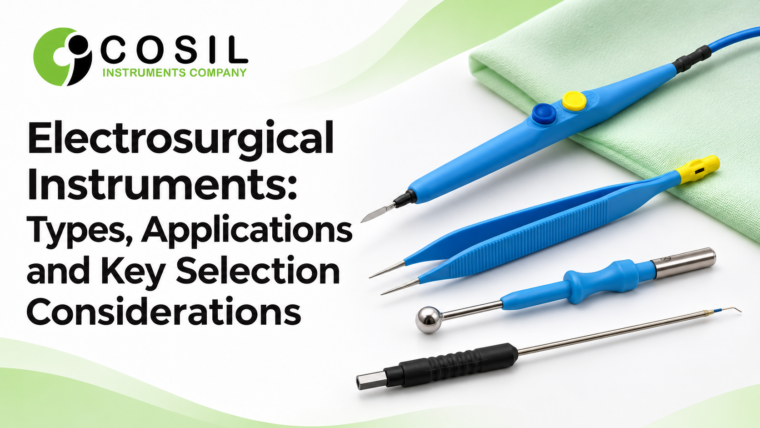
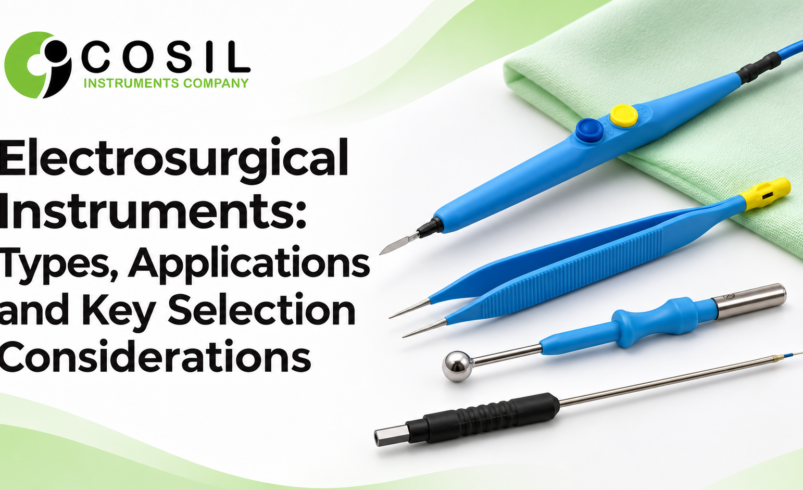
Monopolar instruments use an active electrode to deliver electrical energy to the treatment site. The electrical circuit usually returns through a separate patient return electrode. Active electrodes are available in different shapes, including blade, needle, ball and loop designs.
The correct shape depends on the intended procedure and the generator system. The electrode must also fit the compatible handpiece. Similar-looking electrodes may have different shaft or connector specifications.
Diathermy Electrodes
Diathermy electrodes are active components used with suitable electrosurgical handpieces. Common configurations include blade, needle, ball and loop electrodes. Specialist ranges may also include ENT bipolar, arthroscopic and laparoscopic electrodes.
Their working-end design, shaft length and connection type are important selection points. Buyers should check the product’s stated application and technical information before ordering.
Electrosurgical Pencils, Cables and Accessories
An electrosurgical pencil or cautery handpiece holds and activates a compatible active electrode. Some designs use hand-control buttons, while others use foot-control arrangements. Cables connect the handpiece or instrument to the generator.
Other accessories can include patient return pads and connection leads. These components must match the intended system. A complete equipment review should consider the instrument, cable, connector and generator together.
How Do Electrosurgical Instruments Work?
An electrosurgical generator produces high-frequency electrical energy. The instrument delivers this energy to the intended site through a compatible electrode. The resulting tissue effect depends on the selected mode, settings, electrode design and clinical technique.
In monopolar electrosurgery, current travels from the active electrode through the patient to a return electrode. In bipolar electrosurgery, current passes between the two tips of the forceps. These are different circuit arrangements, so their accessories and connection requirements are not automatically interchangeable.
Only trained professionals should select and use equipment in line with the manufacturer’s instructions and local clinical protocols.
How to Choose the Right Electrosurgical Instruments
A suitable instrument should match the procedure, equipment and purchasing requirements. Buyers can use the following points when comparing products.
Consider Instrument Design and Specifications
Review the working-end shape, instrument length, shaft dimensions and handle design. For forceps, tip alignment and profile are also important. Check insulation details and the product’s stated intended use.
Check Equipment Compatibility
Confirm the generator connection, cable type and handpiece interface. Do not rely on appearance alone. Ask the manufacturer or supplier to confirm compatibility using the relevant model and technical specifications.
Compare Reusable and Single-Use Options
Reusable instruments require cleaning, inspection and reprocessing according to their instructions. Single-use products are intended for one use and should be handled and discarded as directed. Consider packaging, sterility status, storage information and the needs of the facility.
Applications in Surgical Settings
Electrosurgical instruments are used in a range of surgical specialities. The specific instrument depends on the procedure and the equipment configuration.
Common areas may include:
- General surgery, using suitable monopolar or bipolar instruments.
- ENT procedures, where specialist electrode configurations may be required.
- Gynaecological surgery, depending on the procedure and instrument design.
- Laparoscopic surgery, using electrodes with suitable shaft dimensions.
- Arthroscopic procedures, where compatible arthroscopic electrodes may be specified.
This list is not a recommendation for a particular device. Clinical teams should follow the intended use and instructions supplied with each product.
What Should Healthcare Buyers Consider When Procuring Electrosurgical Equipment?
Procurement teams need clear information before requesting quotations. Start by defining the required instrument type, intended application and preferred configuration. Include dimensions, tip design, cable requirements and generator details where relevant.
Buyers should also request current product specifications, instructions for use and applicable regulatory documentation. Check labelling, traceability and sterility information for products supplied as sterile. For reusable instruments, confirm the manufacturer’s reprocessing instructions.
When comparing suppliers, consider communication, order quantities, documentation support and repeat supply arrangements. These details help teams assess whether a product and supplier meet their purchasing requirements.
Frequently Asked Questions About Electrosurgical Instruments
What Are Electrosurgical Instruments Used For?
Electrosurgical instruments deliver high-frequency electrical energy during surgical procedures. Depending on the system and settings, they support tissue cutting, coagulation or other intended effects.
What Is the Difference Between Bipolar and Monopolar Instruments?
Monopolar systems use an active electrode and a separate return electrode. Bipolar instruments pass current between two electrodes, commonly positioned at the forceps tips.
What Are the Main Types of Electrosurgical Instruments?
Common categories include bipolar forceps, monopolar instruments, active electrodes, diathermy electrodes, cautery handpieces, cables and patient return pads.
Are Electrosurgical Instruments Available in Single-Use and Reusable Options?
Yes. Product ranges may include both formats. Buyers should check the specific product labelling and instructions before use, reprocessing or disposal.
What Should Buyers Check Before Purchasing Electrosurgical Equipment?
Review the intended use, dimensions, tip design, insulation, cable and connector details. Also check generator compatibility, instructions for use and applicable product documentation.
Why Consider Cosil Instruments for Electrosurgical Instrument Requirements?
Cosil Instruments has been manufacturing medical instruments since 2001. Its electrosurgical portfolio includes bipolar forceps, single-use forceps, diathermy electrodes, cautery handpieces, patient return pads and electrosurgical cables. The company supports B2B enquiries from hospitals, surgical facilities, distributors and procurement teams.
Its website identifies ISO 13485 certification and CE certification. Buyers should request current, product-specific documentation and confirm the requirements for their intended market. For healthcare teams reviewing product configurations, Cosil’s electrosurgical instruments range provides a starting point for product enquiries.
Making an Informed Selection
Selecting electrosurgical instruments starts with the intended application and the correct equipment configuration. Check specifications, connections and documentation before purchasing. For product information or a B2B enquiry, contact Cosil Instruments to discuss your requirements.