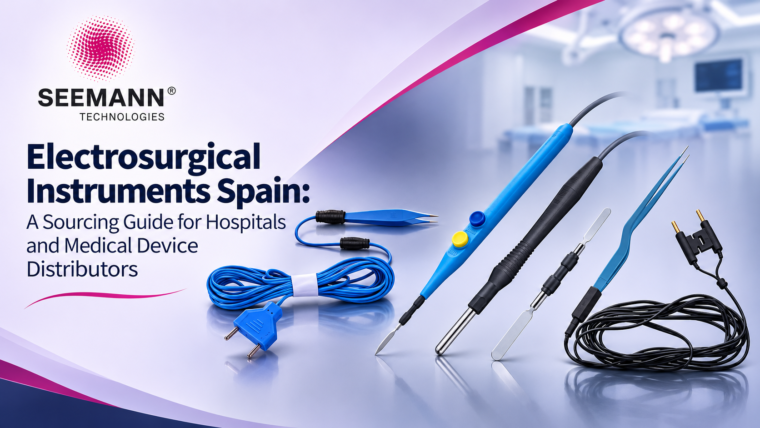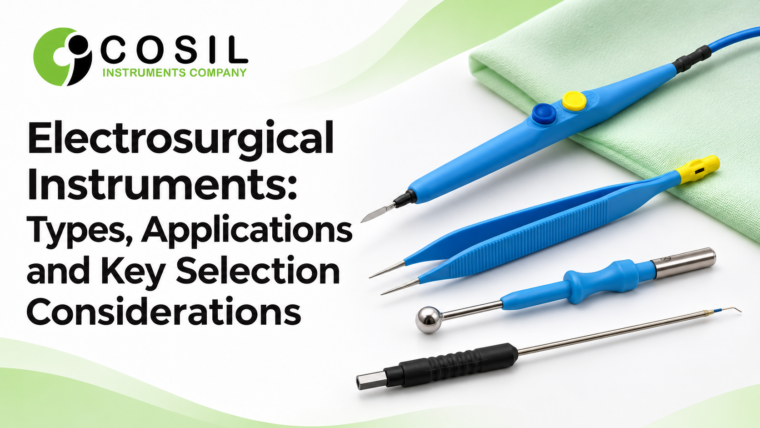

Electrosurgical instruments are used across many surgical specialties. They work with high-frequency generators to support procedures involving cutting, coagulation and other electrosurgical functions. For Spanish hospitals and medical distributors, selecting suitable instruments requires more than comparing catalogue prices. Buyers should consider intended use, product design, dimensions, connections and documentation. They should also understand the difference between high-frequency (HF) instruments and minimally invasive surgery (MIS) products. This guide explains the main categories and practical checks that can support informed purchasing decisions.
1. Electrosurgical Instruments Spain: Understanding the Main Product Categories
Electrosurgical instruments include several product types. Each has a particular design and role within a compatible surgical setup.
What Are Electrosurgical Instruments?
Electrosurgical instruments work with an HF generator to deliver electrical energy during procedures. Depending on the system and instrument, they support cutting or coagulation. The wider category includes handpieces, electrodes, forceps, cables and specialist instruments. Product selection should reflect the intended purpose and the equipment manufacturer’s instructions.
Bipolar Forceps and Monopolar Electrodes
Bipolar forceps use two conductive tips to form the electrical circuit. They are available in different shapes, lengths and configurations. Monopolar electrodes work as active components in a system with a separate return electrode. They can have needle, blade, ball or other working-end designs. These categories have different connections and should not be treated as interchangeable.
Single-Use HF and MIS Surgical Instruments
Single-use HF instruments are supplied for one use, according to their instructions. The category includes selected forceps, electrodes and related accessories. MIS instruments are designed for minimally invasive surgical applications. Their configurations may include longer shafts and specialist working ends. Buyers should check each product’s intended use and dimensions.
2. Essential Components of a Professional Electrosurgical Instrument Portfolio
A professional instrument portfolio may include more than the main handpiece. Cables, connectors and specialist instruments also form part of the purchasing decision.
Bipolar Forceps and Related Accessories
Bipolar forceps are available in straight, angled and bayonet configurations. Some models have non-stick working surfaces. Buyers should compare tip shape, working length, insulation and connector details. Bipolar forceps cables must also match the instrument and compatible equipment. Confirm the required cable reference before ordering.
Monopolar Electrodes and Electrosurgical Handpieces
Monopolar electrodes connect to compatible cautery pencils or HF handles. Their working-end designs and shaft dimensions vary. Some configurations are intended for open procedures, while others are designed for laparoscopic applications. Buyers should check electrode fittings, handpiece connections and the intended equipment.
HF Handles, Cables and MIS Instruments
HF handles and cables connect instruments with compatible electrosurgical systems. The required connector and cable configuration can differ between products. MIS portfolios may also include laparoscopic monopolar electrodes, monopolar scissors, suction and irrigation systems, and Veress needles. Check each product’s intended purpose and technical information before sourcing.
3. How to Evaluate Electrosurgical Instrument Specifications Before Purchasing
Clear specifications help procurement teams compare products and avoid ordering errors. They also make communication with suppliers more efficient.
Product Design, Dimensions and Intended Applications
Start by identifying the instrument category and intended application. Review working length, shaft diameter, tip shape and overall dimensions. For forceps, compare the jaw and tip configuration. For electrodes, check the working-end design and shaft details. The clinical team should confirm the required specifications before procurement.
Equipment Compatibility and Connection Requirements
Compatibility depends on the complete equipment arrangement. Check the instrument, handpiece, cable, connector and HF generator requirements. A similar-looking connector does not confirm compatibility. Use manufacturer documentation and product references when checking a replacement. Ask the supplier for clarification if any connection details remain uncertain.
Sterile Status, Packaging and Technical Documentation
Confirm whether the product is supplied sterile or non-sterile. Review packaging, expiry information and storage conditions where applicable. Check the instructions for use and product identification. Request the EU Declaration of Conformity and other applicable documentation. Ensure documents match the exact device and product reference.
4. What Spanish Hospitals and Medical Distributors Should Consider When Sourcing Instruments
Spanish buyers should define their requirements before requesting quotations. This helps suppliers respond with relevant product information.
Evaluating Product Range and Supplier Capabilities
Consider whether the supplier offers the instrument categories your organisation needs. Review product references, technical specifications and available accessories. Ask how the supplier handles product enquiries and documentation requests. Clear communication is especially useful when several departments require different configurations. Confirm supply arrangements directly rather than assuming availability.
Procurement Documentation and Spanish Market Requirements
Medical devices placed on the European market must meet applicable EU MDR requirements. Responsibilities differ between manufacturers, importers and distributors. Buyers should identify the relevant economic operators and review the documentation for each device. Spanish-language labelling and instructions may be required, depending on applicable rules. Consult current AEMPS guidance for national requirements.
5. Why Consider a Specialist European Electrosurgical Instrument Manufacturer?
A specialist manufacturer can provide a focused portfolio and product-specific information. This can help distributors assess related instrument categories through a clear supplier relationship. Buyers should still evaluate each device individually. Check its intended purpose, specifications, compatibility and applicable documentation. European market positioning alone does not replace product-level verification.
Specialist HF and MIS Instrument Knowledge
Seemann Technologies focuses on single-use HF and MIS surgical instruments. Its portfolio includes bipolar forceps, monopolar electrodes, cables, HF handles and related laparoscopic instruments. Buyers can review individual product information to identify relevant configurations. Technical suitability should always be confirmed against the intended application and equipment.
Electrosurgical Instruments Spain Solutions from Seemann Technologies
Spanish hospitals and distributors can explore the Electrosurgical Instruments Spain product range for further information. The range is intended for professional healthcare buyers seeking HF and MIS instrument options. Contact the team to discuss product references, specifications and supply requirements.
6. Frequently Asked Questions About Electrosurgical Instruments
What Products Are Included in an Electrosurgical Instrument Range?
A range may include bipolar forceps, monopolar electrodes, cautery pencils, HF handles, cables and specialist accessories. Some portfolios also include laparoscopic instruments and related MIS products. The exact selection depends on the manufacturer.
What Is the Difference Between HF and MIS Surgical Instruments?
HF describes instruments used with high-frequency electrosurgical systems. MIS refers to minimally invasive surgical applications. Some instruments belong to both categories, such as laparoscopic monopolar electrodes. Their intended purpose and design determine their classification.
What Should Spanish Hospitals Consider When Choosing an Electrosurgical Instrument Supplier?
Review the supplier’s product range, technical information and documentation support. Confirm intended use, dimensions and equipment connections. Check applicable regulatory information and clarify supply arrangements before ordering.
Why Are Product References and Compatibility Details Important When Ordering?
Product references identify the exact instrument configuration. Compatibility details help confirm whether the instrument works with the intended handpiece, cable and generator. Checking both reduces confusion when ordering new products or replacements.
7. Find an Electrosurgical Instrument Supply Partner for Your Requirements
Selecting instruments starts with a clear understanding of clinical and technical requirements. Spanish hospitals and distributors should compare product categories, specifications and documentation before ordering. Seemann Technologies offers a specialist HF and MIS instrument portfolio for professional healthcare markets. Contact the team to discuss product information, technical requirements and potential supply arrangements.