

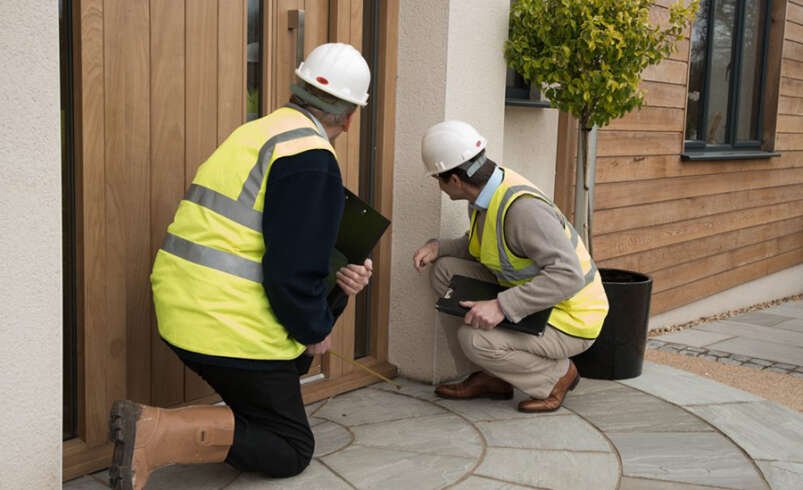

Property Inspection: Everything You Need to Know Before Buying or Selling a Property
Buying or selling a property is one of the biggest financial decisions you’ll ever make. Whether you’re purchasing your dream home, investing in commercial real estate, or preparing your house for sale, a property inspection is a crucial step that can save you thousands of dollars and prevent future headaches.
A professional property inspection provides an in-depth evaluation of a property’s condition, helping buyers identify hidden defects and giving sellers the opportunity to fix issues before listing. This guide explains everything you need to know about property inspections, including their purpose, process, costs, benefits, and expert tips.
What Is a Property Inspection?
A property inspection is a comprehensive visual examination of a property’s physical condition conducted by a qualified inspector. The goal is to identify existing issues, potential safety hazards, structural concerns, and maintenance requirements before a real estate transaction is completed.
The inspection typically covers:
- Foundation
- Roof
- Walls
- Plumbing
- Electrical system
- HVAC system
- Doors and windows
- Flooring
- Ceilings
- Drainage
- Exterior structures
- Insulation
- Ventilation
The inspector prepares a detailed report outlining any defects, recommended repairs, and maintenance suggestions.
Why Is Property Inspection Important?
A property inspection helps buyers and sellers make informed decisions.
For Buyers
- Reveals hidden defects
- Prevents unexpected repair costs
- Strengthens negotiation power
- Provides peace of mind
- Helps estimate future maintenance expenses
For Sellers
- Identifies issues before listing
- Builds buyer confidence
- Speeds up the sales process
- Reduces negotiation disputes
- Increases property value
For Investors
- Evaluates investment risks
- Estimates renovation costs
- Assesses long-term profitability
- Supports financing and insurance approvals
Types of Property Inspections
1. Home Inspection
The most common inspection conducted before purchasing residential property.
Covers:
- Roofing
- Electrical wiring
- Plumbing
- Foundation
- HVAC
- Interior and exterior
2. Commercial Property Inspection
Designed for offices, warehouses, retail buildings, and industrial properties.
Includes:
- Structural integrity
- Fire safety systems
- Parking lots
- Elevators
- Mechanical systems
- Building code compliance
3. Pre-Purchase Inspection
Requested by buyers before completing the purchase.
Purpose:
- Evaluate property condition
- Estimate repair costs
- Support price negotiations
4. Pre-Listing Inspection
Ordered by sellers before putting the property on the market.
Benefits:
- Fix issues early
- Improve property value
- Increase buyer trust
5. New Construction Inspection
Even newly built homes may contain construction defects.
Checks include:
- Building quality
- Code compliance
- Installation accuracy
- Finishing work
6. Pest Inspection
Looks for:
- Termites
- Rodents
- Wood damage
- Moisture problems
7. Foundation Inspection
Examines:
- Cracks
- Settlement
- Structural movement
- Water damage
8. Roof Inspection
Evaluates:
- Shingles
- Flashing
- Drainage
- Leaks
- Roof lifespan
What Does a Property Inspector Check?
A professional inspection includes several categories.
Exterior
- Roof condition
- Gutters
- Driveway
- Sidewalks
- Garage
- Landscaping
- Drainage
- Exterior walls
Interior
- Floors
- Walls
- Ceilings
- Windows
- Doors
- Staircases
- Cabinets
Plumbing
- Pipes
- Water pressure
- Drainage
- Faucets
- Water heater
- Sewer lines
Electrical System
- Circuit breakers
- Wiring
- Outlets
- Switches
- Grounding
- Smoke detectors
HVAC
- Air conditioner
- Furnace
- Heating efficiency
- Ventilation
- Thermostat
Structural Components
- Foundation
- Basement
- Crawl spaces
- Framing
- Load-bearing walls
Property Inspection Checklist
Use this checklist before buying or selling:
Exterior
✔ Roof
✔ Gutters
✔ Siding
✔ Windows
✔ Doors
✔ Foundation
✔ Garage
✔ Drainage
Interior
✔ Walls
✔ Floors
✔ Ceilings
✔ Cabinets
✔ Stairs
✔ Windows
Utilities
✔ Plumbing
✔ Electrical
✔ HVAC
✔ Water heater
✔ Ventilation
Safety
✔ Smoke detectors
✔ Carbon monoxide detectors
✔ Fire hazards
✔ Handrails
✔ Emergency exits
Property Inspection Process
Step 1: Schedule the Inspection
Choose a certified inspector with experience.
Step 2: Physical Examination
The inspector evaluates every accessible area.
Duration:
- Small home: 2–3 hours
- Large home: 4–6 hours
Step 3: Documentation
Photos and notes are collected.
Step 4: Inspection Report
The report includes:
- Defects
- Photos
- Repair recommendations
- Maintenance advice
- Safety concerns
Step 5: Negotiation
The report can help:
- Request repairs
- Reduce purchase price
- Cancel the contract (if allowed)
How Much Does a Property Inspection Cost?
Inspection costs vary depending on:
- Property size
- Location
- Type of inspection
- Inspector experience
Typical pricing factors include residential versus commercial properties, age of the building, and any specialty inspections (such as roof, sewer, or pest inspections).
Common Problems Found During Property Inspections
Many inspections reveal issues such as:
- Roof leaks
- Plumbing leaks
- Mold
- Electrical hazards
- Foundation cracks
- Water damage
- Poor insulation
- HVAC failures
- Pest infestations
- Unsafe staircases
Benefits of Professional Property Inspection
Professional inspections provide:
- Better buying decisions
- Reduced financial risk
- Increased safety
- Accurate property valuation
- Easier insurance approval
- Better mortgage approval
- Long-term savings
Tips for Buyers
- Attend the inspection if possible.
- Read the full inspection report.
- Ask questions about major defects.
- Budget for future repairs.
- Don’t skip the inspection to save money.
Tips for Sellers
- Repair obvious issues before listing.
- Clean and organize the property.
- Provide access to all areas.
- Keep maintenance records available.
- Consider a pre-listing inspection.
Frequently Asked Questions (FAQ)
What is the purpose of a property inspection?
A property inspection identifies structural, mechanical, electrical, plumbing, and safety issues before buying or selling a property.
Is a property inspection mandatory?
Requirements vary by location and lender. Even when not required, it is strongly recommended because it helps identify costly issues before completing a transaction.
How long does a property inspection take?
Most residential inspections take between 2 and 4 hours, while larger or commercial properties may require additional time.
Can a house fail a property inspection?
A property does not technically “pass” or “fail.” The inspection documents its condition so buyers and sellers can decide how to proceed.
Should buyers attend the inspection?
Yes. Attending allows buyers to ask questions and better understand the property’s condition.
Final Thoughts
A property inspection is one of the smartest investments you can make during any real estate transaction. It provides valuable insight into a property’s condition, uncovers hidden defects, and helps buyers, sellers, and investors make informed decisions.
Whether you’re purchasing your first home, selling an existing property, or expanding your real estate portfolio, investing in a thorough property inspection can save time, money, and stress. By working with a qualified inspector and reviewing the inspection report carefully, you’ll be better prepared to negotiate, plan repairs, and protect your investment for years to come.