

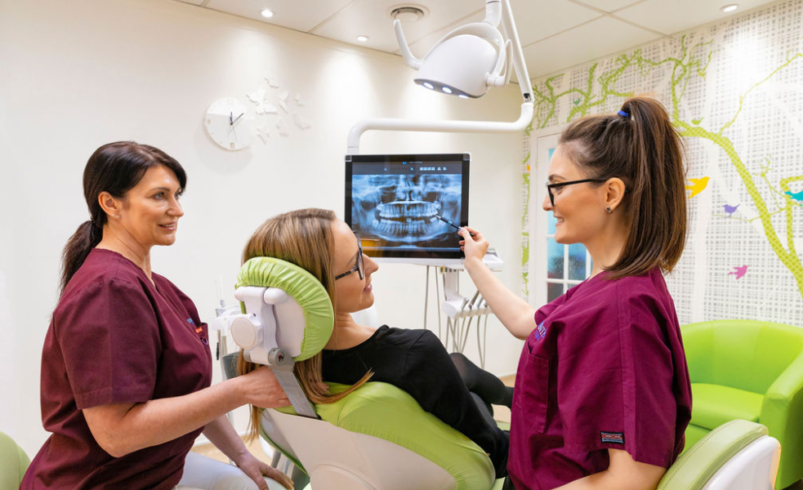

Getting a new set of dentures can make a meaningful difference to your smile, eating ability and confidence. However, adjusting to dentures takes time. New dentures can initially feel unusual, bulky or less natural than expected, and everyday activities such as speaking and eating may require some practice.
For people considering Dentures Peterborough, understanding the adjustment period can make the transition easier. With proper care, gradual practice and professional follow-up, most people can become comfortable wearing their dentures and develop confidence in using them throughout the day.
Understanding the Denture Adjustment Period
New dentures are designed to fit the shape of your mouth, but they are still artificial appliances. Your cheeks, tongue, gums and jaw muscles need time to adapt to their presence.
The NHS advises that it can take a few weeks to become accustomed to wearing dentures. During this period, practising putting them in and taking them out, as well as starting with softer foods, can help you gradually return to your usual routine.
You may notice increased saliva, a feeling of fullness in the mouth or minor changes in speech during the first few days or weeks. These experiences generally improve as you become more familiar with the dentures.
Start Wearing Your Dentures Gradually
Following the wearing instructions provided by your dental professional is important when you receive new dentures. Although you may want to wear them continuously to get used to them quickly, your mouth also needs appropriate periods of rest.
Dentures are generally removed at night so the gums can rest and the appliance can be cleaned. The NHS advises against sleeping in dentures unless your dentist specifically recommends otherwise.
If your dentist has arranged an early review appointment, follow their instructions about wearing the dentures before that appointment. This can help the clinician identify areas that may need adjustment.
Eating With New Dentures
Eating is often one of the biggest changes when first wearing dentures. Your natural teeth provide familiar biting and chewing patterns, while dentures require you to learn a slightly different technique.
Start with soft foods that require less chewing. Cut food into small pieces and gradually introduce firmer foods as your confidence improves. NHS guidance also recommends progressing from softer foods towards a more normal diet as you become accustomed to your dentures.
Try chewing on both sides of your mouth at the same time. This can help distribute pressure more evenly and reduce the chance of the denture moving during chewing. Avoid immediately biting hard foods with the front teeth, as this may cause some dentures to tip or rock.
Sticky foods can also be challenging during the early adjustment period. Begin with manageable foods and increase variety as your control improves.
Improving Speech With New Dentures
Some people notice changes in pronunciation when they first receive dentures. Certain sounds may feel unfamiliar because your tongue needs to adjust to the new shape inside your mouth.
The good news is that speech generally improves with practice. Reading aloud, speaking with family members or simply practising difficult words can help you become more comfortable. Cambridge University Hospitals recommends reading aloud as part of the adjustment process.
Rather than avoiding conversations because your speech feels different, regular practice can help your tongue and mouth muscles adapt more naturally.
Managing Sore Spots and Discomfort
Minor sore spots can occur during the early stages of wearing new dentures. They may develop where the denture rubs against the gums or other soft tissues.
Cambridge University Hospitals notes that sore spots can commonly appear within the first 24 to 48 hours, while other NHS guidance explains that follow-up appointments allow uncomfortable areas to be adjusted.
Persistent or significant discomfort should not simply be ignored. If your dentures repeatedly cause pain, move excessively or create areas of irritation, contact your dental professional. The denture may require an adjustment to improve its fit.
Importantly, do not attempt to cut, file or reshape your dentures yourself. Professional adjustment is safer and helps protect both the appliance and your oral tissues.
Getting Used to Denture Stability
A well-designed denture should provide appropriate support and stability, but dentures will not behave exactly like natural teeth. Your tongue and cheek muscles play an important role in helping you control them.
During the first few weeks, focus on slow and controlled movements. When eating, take smaller bites and chew carefully rather than testing the dentures with particularly hard foods.
If your dentures repeatedly slip, click when you speak or feel unstable, this may indicate a fitting problem rather than simply an adjustment issue. The NHS recommends seeing a dentist if dentures slip, no longer fit properly or cause pain.
Give Your Mouth Time to Adapt
One of the most important parts of adjusting to Dentures Peterborough is patience. Expecting new dentures to feel exactly like natural teeth immediately can lead to unnecessary frustration.
Instead, focus on gradual progress. You may initially concentrate on speaking clearly, then become more comfortable eating, and eventually stop noticing the dentures as much during everyday activities.
Everyone adapts at a different pace. Factors such as previous denture experience, the type of dentures you have, the condition of your gums and the stability of the appliance can influence your experience.
The Importance of Follow-Up Appointments
Follow-up care is an important part of successful denture treatment. Even when dentures have been carefully made and fitted, minor adjustments may be necessary once you begin using them regularly.
A review allows your dental professional to assess comfort, stability and function and address areas causing irritation. Leeds Teaching Hospitals NHS Trust specifically notes that sore areas are common when new dentures are first worn and that follow-up appointments can be used to make appropriate adjustments.
Do not rely on denture adhesive to solve persistent problems with an uncomfortable or poorly fitting appliance. The American Dental Association notes that adhesives are not a substitute for properly fitting dentures and that poorly fitting dentures may require professional relining or replacement.
When to Seek Professional Denture Advice
Some adjustment challenges are normal, but ongoing problems deserve professional attention. Arrange an assessment if your dentures cause persistent pain, frequently slip, click when speaking, become damaged or no longer fit correctly.
Changes in your mouth can also affect denture fit over time. The NHS explains that dentures may become loose as the gums and jawbone change, while worn or damaged dentures may also need professional evaluation.
Immediate dentures can require additional changes as the mouth heals following tooth extraction. In these situations, the shape of the supporting tissues can change during healing, affecting the fit of the appliance.
Conclusion
Adjusting to new dentures is a gradual process rather than something that happens overnight. Learning to eat comfortably, practising speech, managing minor early discomfort and maintaining good hygiene can all make the transition easier.
For anyone exploring Dentures Peterborough, choosing professional fitting and maintaining regular follow-up care can provide valuable support throughout the adjustment period. With patience and appropriate guidance, new dentures can become a comfortable part of your everyday routine while helping restore eating, speaking and confidence.