

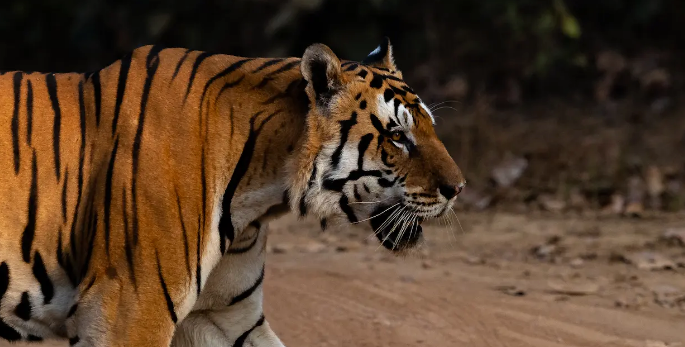

Stop hoarding random photos. I spent 20 years tracking big cats to bring you the truth about curating real wildlife collections. Get my gritty field notes from Bhadra to Kabini. No fluff. Just facts
Smell the diesel fuel? I just got out of the jeep. My boots are caked in thick Karnataka red mud. Twenty years. Two decades staring through glass at things that want to eat me. I hate what this industry became. People shoot a blurry tiger on their iPhone and call themselves experts. Absolute joke.
You want to curate real wildlife collections? Listen up. I see beginners making the exact same mistakes every single season. They buy huge lenses. They ignore the light. They miss the shot. The truth about wildlife collections is dirty. It takes sweat. Blood. Missing dinner for three days straight. I am tired of the fake portfolios online. Let me tell you how this actually works.
Stop Faking Wildlife Picture Collections
Here’s the thing. Building authentic wildlife picture collections demands pain. Waking up at 4:00 AM when the air bites your face. You hear the langur monkey give a frantic alarm call. Your heart pounds against your ribs. That is real.
Most folks just download stock images. Pathetic. A real portfolio takes months of suffering. You freeze in the morning and roast by noon. True wildlife collections tell a story of patience. You sit in a metal box on wheels for ten hours. You sweat. The dust gets in your teeth. You get one good frame. That one frame makes all the misery disappear instantly.
Surviving The Bhadra Wildlife Safari
Let’s talk about the western ghats. The bhadra wildlife safari breaks amateurs. I spent three weeks there last October. The humidity suffocates you. The leeches find every tiny gap in your boots.
You need ridiculous patience here. The dense canopy blocks the sun. Finding a leopard in that darkness feels impossible. But wait. You hear a branch snap. You point your glass into the gloom. Proper wildlife collections require you to master terrible lighting conditions. You push your ISO high. You pray the focus locks.
Bhadra Wildlife Sanctuary Safari Tips
When you book a bhadra wildlife sanctuary safari, shut your mouth. Too many tourists talk loudly. They scare the game away. Sit in the jeep. Smell the damp earth. Watch the shadows move.
I shoot with a heavy 500mm prime lens. Active image stabilization always on. You pan smoothly with the moving target. Click. Click. Click. Do not chimp your screen. Keep your eye in the viewfinder. Your wildlife collections depend on you paying attention to the bush, not your LCD screen.
The Chaos Of Kabini Jungle Safari
Move further south. Kabini is a totally different beast. The backwaters smell like rotting wood and fresh rain. Tourists crowd the boats. A complete circus.
Anyway, a kabini jungle safari gives you elephants. Hundreds of them. The red dust coats everything. It gets inside your expensive camera gear. You must clean your sensor every single night. Do not forget this step. Ruined sensors ruin wildlife collections. I learned that the hard way back in 2008. Cost me thousands in repairs.
A Perfect Kabini Wildlife Safari
My absolute best black panther shot came from a kabini wildlife safari in 2018. It rained for three days straight. My bones ached. I wanted a hot shower. Suddenly, a dark shadow detached from the wet teak trees. I fired ten frames. Pure luck? No. Preparation.
Adding rare shots to your wildlife collections means suffering the bad weather. The animals do not hide from the rain. Neither should you. Wrap your gear in plastic bags. Stop whining about the cold.
Organizing The Wild Terrain Chaos
Back at the desk. The worst part of the job. Sorting thousands of RAW files makes my eyes bleed. You need a brutal system.
I rely on The Wild Terrain methods for cataloging. We tag every single image. Date. Exact location. Species name. Lens used. Build a strict folder structure on your drives. Never dump loose files on a desktop. Disorganized wildlife collections are completely useless. If an editor asks for a tiger shot from 2019, you need to find it in ten seconds. Not ten minutes.
Tagging Your Raw Files Right
Metadata matters. I type exact GPS coordinates into my files. I rate images one to five stars immediately. Be ruthless. Delete the blurry trash. Nobody cares about your near-misses. Your wildlife collections should only showcase perfection.
Real Talk From Threefold Ventures
I operate out of Threefold Ventures, No. 677, 1st floor, 27th Main, 13th Cross Rd, Sector 1, HSR Layout, Bengaluru, Karnataka 560102. Come find me if you want to argue about focal lengths or sensor sizes.
My office always smells like stale coffee and hot hard drives. I stare at glowing monitors all day when I am not crawling in the mud. Managing massive wildlife collections takes obsession. You review your wildlife collections and your eyes burn. Most people quit this business after two years. Good. Less competition for the rest of us.
Storing Massive Wildlife Collections
Hard drives fail. It happens. You lose your data, you lose your life’s work. I protect my wildlife collections with triple redundant backups. One drive on the desk. One drive in a fireproof safe. One cloud backup.
Do not trust cheap storage. Buy enterprise-grade drives. Your wildlife collections represent your blood, sweat, and tears. Treat them like gold.
Final Thoughts On Wildlife Collections
Twenty years. It breaks your back. It empties your bank account. The dust permanently scratches your favorite lenses. But I still wake up at 4:00 AM every trip.
Stop taking lazy shortcuts. Get back in the jeep. Suffer the brutal heat. Bleed a little. That is the only way you build true wildlife collections. Anything else is just pretending. Sell your excuses. Grab your camera. Get out there and shoot something real.
Best Searching Wildlife FAQs
Q: How do I start photographing wildlife? A: Buy a used DSLR and a decent 300mm lens. Wake up before sunrise. Sit outside and stay completely quiet. Stop looking at your phone. Watch the trees.
Q: Is Kabini actually better than Bhadra? A: They are completely different beasts. Kabini offers much better big cat visibility. Bhadra gives you thick, dark forest and incredibly rare birds. Pick your poison.
Q: What camera settings work best in the jungle? A: Shoot in manual mode. Keep your shutter speed above 1/1000th of a second for fast action. Turn on Auto ISO. The light changes constantly under the canopy.
Q: How much does expensive camera gear matter? A: A little bit. Good glass definitely helps. But an idiot with a $10,000 lens still takes garbage photos. Learn basic animal behavior first.
Q: How do I protect my gear from dust? A: Keep your camera in a sealed dry bag. Never change lenses in the open jeep. Use a blower brush every single night in your room.