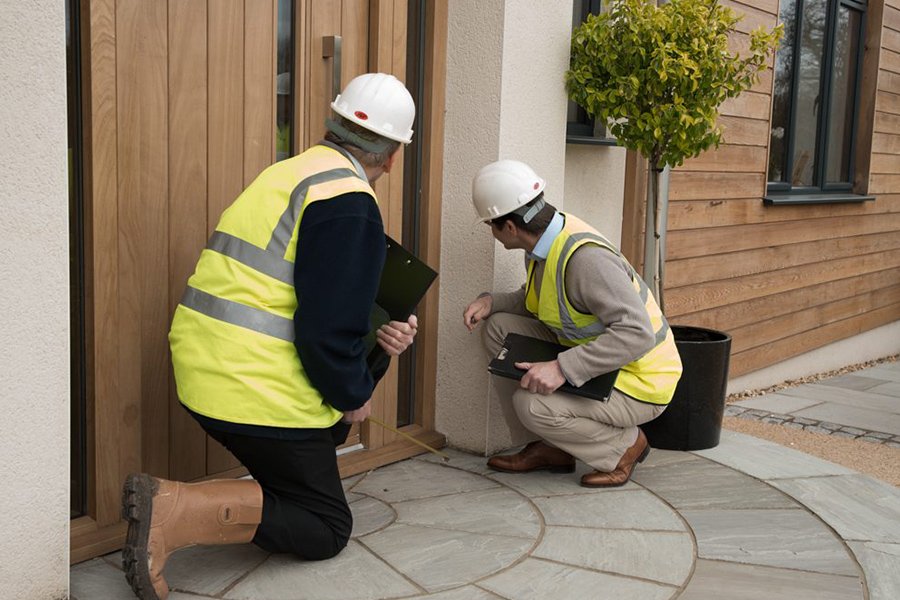



Most lists of top interior design firms rank by visibility: portfolio photographs, social following and directory listings. What decides how your project goes is something else, namely how the firm is set up to deliver. Broadly, firms in India run one of four models, and each suits a different home and a different homeowner. Once you know which model you are talking to, you know which questions to ask and which quotations can fairly be compared.
The Design-Only Consultancy
This model sells drawings and specifications, sometimes with periodic site visits. You then hire contractors, carpenters and vendors yourself, or the designer recommends them. It suits owners who have time, a trusted contractor and a wish to control every purchase, and who enjoy visiting the site often. The catch is that when design and execution are split, the designer’s responsibility often ends at the drawing. If a wardrobe does not fit or a ceiling detail is misread, the argument lands between designer and contractor, and you referee. Ask whether the fee includes site supervision or only design, and who answers when the build departs from the drawing.
The Contractor-Led Firm
Here a civil or carpentry contractor offers design as an add-on, often through a draftsman or a freelance designer. Work can start quickly and pricing tends to be direct, which suits a simple brief such as repainting, flooring and a few wardrobes. Some of these firms build well; the question is whether anyone designed the whole home before the first wall was opened. The trade-off is depth. Layouts and lighting plans may be thin and material choices undocumented, so decisions get made on site one at a time and are hard to reverse. For a full home, that is a real risk. Ask to see a drawing set and material specification before work begins, not a sketch and a rate.
Design and Execution Under One Contract: The Single-Team Studio
The third model keeps drawings, furniture and site work under one contract. When design and execution sit together, the person who detailed a wardrobe answers for how it is built, and nothing is reinterpreted by a contractor who never saw the intent. Project management also sits with one party, so civil work, electrical, ceilings, carpentry and painting follow each other without you chasing trades. Where the studio runs in-house manufacturing, panels are made to measured dimensions while site work is still under way, which means less cutting and dust inside your home and furniture that fits awkward corners. Snags at handover are also easier to close when one team owns both the drawing and the site. The trade-off is that you rely on one team for everything, so the written scope carries more weight. Insist that the contract lists every trade, inclusion and exclusion, with payments tied to completed stages rather than calendar dates.
The Product-Led Firm
Some furniture and modular kitchen brands offer interiors as an extension of their range. Their strength is consistent finish and tested hardware in what they make. Their limit is everything else: civil changes, electrical rework and ceilings may be outsourced or not offered, and layouts tend to bend towards the catalogue. For a kitchen and wardrobes in a finished flat, that can be efficient. For a bare-shell home, someone still has to coordinate what the range does not cover. Ask which trades the firm delivers itself and which it hands to third parties.
Matching the Model to Your Property
Your building narrows the choice. A high-rise flat in a gated society has fixed walls, restricted working hours and lift-only material movement, and some societies charge a renovation deposit that sits outside any interior quotation. Deliveries and sequencing matter more than layout there, which favours a firm that controls both drawings and site. A builder floor allows layout changes but often hides plumbing and wiring that differ from old plans, so you want a firm that inspects first and adjusts the drawings to what it finds. An independent villa adds floors, staircases and outdoor-facing work, and consistency across levels becomes the main risk. A simple refresh of a finished flat may be well served by a contractor-led or product-led firm.
The Interia is a single-team studio working from Gurgaon and serving the wider NCR, with design, in-house manufacturing and site coordination under one contract. That is the set-up behind design and build interiors in Gurgaon for high-rise flats, builder floors and villas, and it suits owners who want one team accountable rather than a coordinator’s job of their own. It is one sensible model among four, and it will not suit every brief. Before signing with any firm, ask how snags found at handover are logged and closed, since small corrections are normal on every project. Whichever model you choose, get the scope, timeline and exclusions in writing, and visit a site that is currently running before you commit.