

Most homeowners judge a studio on the first impression — a nice office, a confident pitch, a polished portfolio on a screen. That impression rarely predicts how the project will actually run. A more reliable read comes from watching what happens across three meetings, because a capable studio behaves differently at each stage, and a weaker one tends to repeat the same pitch regardless of what you ask. If you’re comparing options for best interior designers in Delhi NCR, use these three meetings as your evaluation, not the portfolio alone.
Meeting One: The Site Visit, Not the Sales Pitch
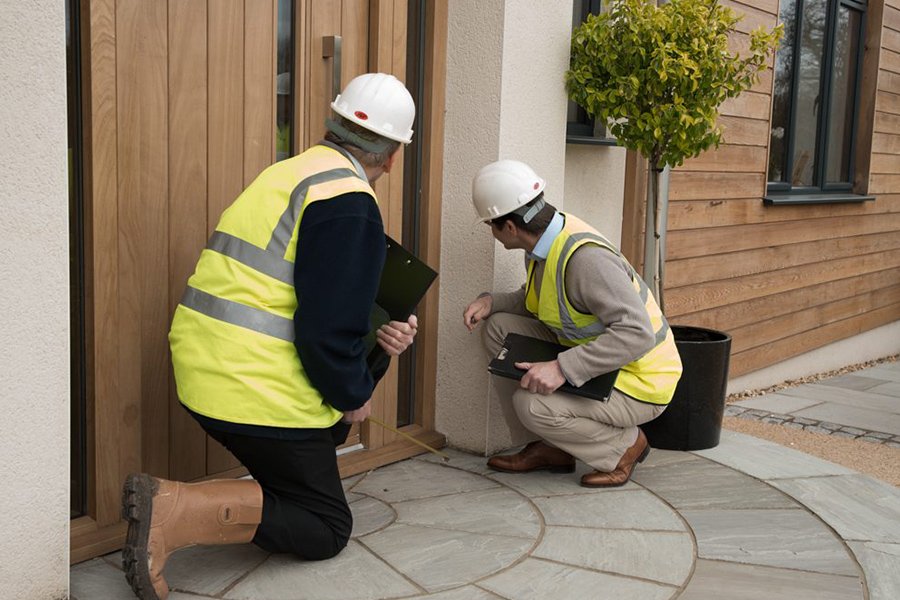
The first meeting should happen at your home, not a showroom. A studio serious about home interiors in Delhi NCR will measure the rooms, check existing electrical and plumbing conditions, and ask how your household actually lives — who cooks, who works from home, how much storage you need. This step carries more weight across Delhi NCR than in a single city, because a high-rise in Gurgaon, an older builder floor in Delhi and a villa in Noida each hide different conditions behind their walls. If a studio skips the visit and offers a rate per square foot over the phone, that is the meeting telling you something already. Ask what the studio measures and notes on this first visit, and request those findings in writing before the next meeting.
Between Meetings One and Two: What Should Land in Your Inbox
The gap between the site visit and the proposal is where you find out whether a studio actually does the work it claims. You should receive a written summary of the survey, not just a quotation. A studio building toward turnkey home interiors Gurgaon and NCR-wide should be able to show, even informally at this stage, how it plans to sequence electrical, ceiling, carpentry and painting work, and how your specific property’s rules — a society’s working hours, a builder floor’s uncertain plumbing, a villa’s multiple levels — shape that plan. If nothing arrives between meetings beyond a follow-up call chasing a decision, treat that as a preview of how updates will arrive during construction.
Meeting Two: The Proposal, Read Line by Line
This is where quotations should become comparable, not just cheaper or more expensive. A serious proposal lists every trade separately — civil work, electrical, false ceiling, carpentry, painting, lighting — and states exclusions as plainly as inclusions. It should name material specifications: board grades, laminates, hardware, not just adjectives like “premium.” Ask directly where the furniture will be made. Where in-house manufacturing is part of the studio’s process, panels are produced to your measured dimensions while site work continues elsewhere, which matters for custom furniture in awkward spots like a column-broken wall or a shallow recess. Ask, too, whether the same team that drew the layout will supervise the site, since keeping design and execution together means the person who detailed a wardrobe answers for how it is built. A proposal without a trade-wise breakdown gives you nothing solid to compare against a competing quote.
Meeting Three: The Contract, Not the Handshake
By the third meeting, the conversation should move from persuasion to specifics: a payment schedule tied to completed stages rather than calendar dates, a named site coordinator, a written timeline with its assumptions stated, and a clear process for logging and closing snags after handover. This is also the point to confirm who handles society permissions, deposits and lift-slot bookings if you’re in a high-rise, or how hidden plumbing will be dealt with if you’re in an older builder floor. A studio still speaking only in generalities at this stage, after two prior meetings, is unlikely to get more specific once work begins. Everything agreed verbally across the first two meetings should appear in writing in the contract, with nothing left to be settled later on site.
Where This Leaves Comparisons Across NCR
Run three studios through the same sequence — site visit, proposal, contract — and give each the same floor plan and questions. The differences that matter will surface in how each behaves at each meeting, not in how each firm describes itself online. The Interia works from Gurgaon and serves the wider NCR, including Delhi, keeping design, in-house manufacturing and site coordination under one team through this same three-meeting process. That structure suits owners who want one party accountable from drawing to handover, though some prefer to manage trades separately, and that’s a fair choice with the time to support it. Whichever studio you choose, ask to visit a site it currently has running before the final meeting, and see whether the work in progress matches what the proposal promised. A studio worth choosing behaves consistently across all three meetings, not just impressively in the first one.